


Adani Airports CEO Confirms No Plans to Launch Airline Business

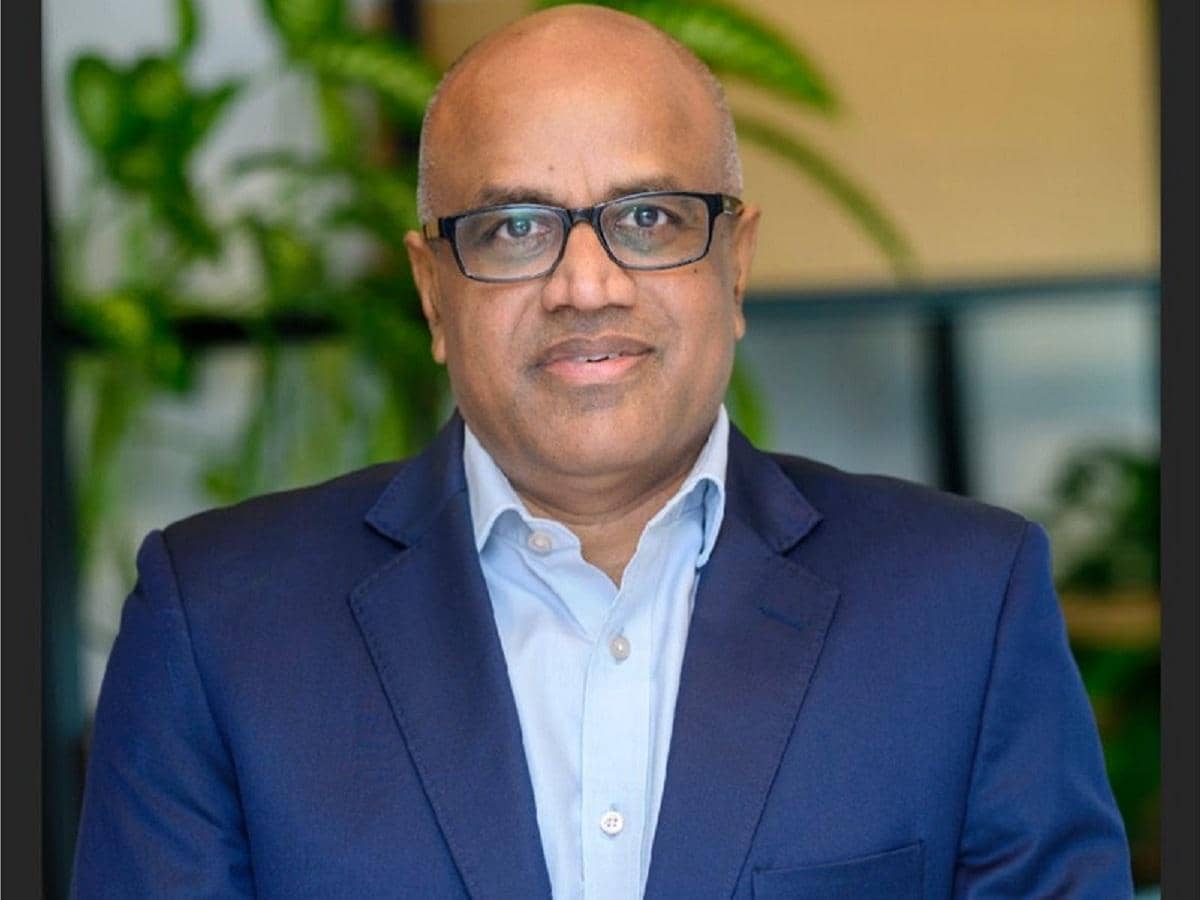


Adani Airport Holdings Limited (AAHL) Chief Executive Officer Arun Bansal has clarified that the company has no intentions of venturing into the airline industry. Speaking at the Aviation India and South Asia 2026 conference held in New Delhi, Bansal emphasized that competing directly against the group’s own customers would not be a prudent business move.




Responding to questions on whether the Adani Group was planning to launch its own airline, Bansal firmly stated, "Never a good strategy to compete with your customers." This remark came amid circulating reports suggesting that the conglomerate might be exploring opportunities in the airline sector. However, the group has officially dismissed such speculations.
Instead, Bansal highlighted that the company’s main focus remains on growing its airport operations. India's aviation market is expanding rapidly, presenting significant prospects for infrastructure development. AAHL aims to capitalize on these trends by improving and increasing airport capacities rather than entering the airline business.
In his address, Bansal also pointed out the need to distinguish between AAHL's activities and the wider Adani Group's ventures. While both are under the same corporate umbrella, their operational goals and strategies differ, particularly when it comes to navigating the aviation landscape.
AAHL currently manages eight airports across India, including major hubs like Mumbai, Ahmedabad, Lucknow, Jaipur, Guwahati, Thiruvananthapuram, Mangaluru, along with the Navi Mumbai International Airport. These facilities collectively handle approximately 100 million passengers annually. The company anticipates this figure to rise substantially, projecting a threefold increase to around 300 million passengers over the next ten years.
To accommodate this expected surge, expansion projects are underway. Bansal mentioned ongoing efforts to enhance the airside capacity at Mumbai airport, a critical node in India’s aviation network. Additionally, the renovation of Terminal 1 at Mumbai airport is slated for completion by early 2030, which will further augment the airport’s infrastructure and passenger handling capabilities.
Adani Airports has positioned itself as a key player in the privatization and modernization of airport infrastructure in India. The government’s push to privatize airport operations aims to improve service quality and boost capacity, creating a fertile environment for companies like AAHL to invest and grow.
With the Indian aviation sector poised for rapid expansion due to rising middle-class incomes, increased air travel demand, and government initiatives, the focus on airport development aligns with broader economic and transportation trends. As air travel becomes more accessible, the need for modern, efficient airport facilities becomes critical.
Bansal’s remarks underscore the company’s strategic priorities. By concentrating on airport operations and infrastructure, Adani Airport Holdings aims to support the growing aviation ecosystem without entering the competitive airline market. This approach allows the company to maintain strong relationships with airline customers while expanding its footprint in India's booming airport sector.
In summary, Adani Airports will continue to invest in enhancing airport infrastructure, preparing for a significant rise in passenger traffic over the coming decade. The group remains committed to playing a central role in India's aviation growth by managing and developing key airport assets rather than launching its own airline.
What's Your Reaction?
 Like
0
 Dislike
0
 Love
0
 Funny
0
 Wow
0
 Sad
0
 Angry
0















Comments (0)