


India's Gold Demand to Hit Six-Year Low in 2026 Amid Price Hikes

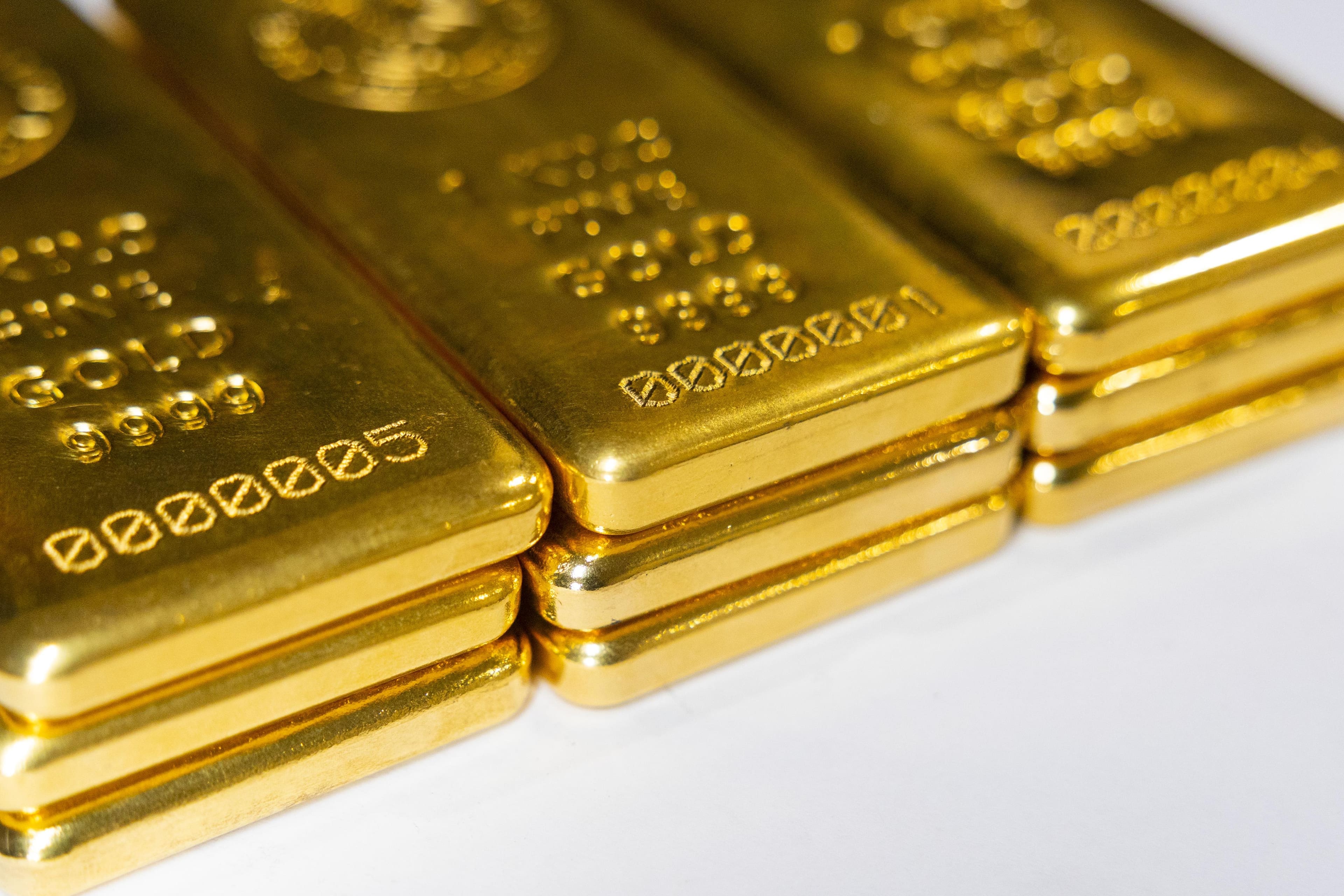


India, the world's second-largest consumer of gold after China, is projected to see its gold demand fall to a six-year low by 2026. This decline is largely driven by higher gold prices affecting jewellery sales and a slowdown in investment interest, according to the World Gold Council (WGC) in a report released on Tuesday.




The WGC highlighted that the rising cost of living, influenced in part by geopolitical tensions such as the Iran conflict, has put pressure on Indian consumers. Additionally, a poor monsoon season has weakened the rural economy, which plays a critical role in gold purchases. Over half of India's gold demand originates from rural regions, where gold jewellery is traditionally viewed as a key form of wealth preservation.
Sachin Jain, the chief executive of the WGC's India operations, shared insights with Reuters regarding the current trends. He noted that gold demand has already dropped significantly in 2026, with jewellery purchases falling and investment demand contracting sharply. Specifically, in the third quarter ending September, gold demand declined 29% year-on-year to 162.5 metric tons. Jewellery sales were down 20%, while investment demand saw a 40% reduction.
This downward trend is expected to continue throughout the year, resulting in an overall gold demand estimated at approximately 650 metric tons for 2026. This figure represents the lowest level since 2020, when the COVID-19 pandemic led to widespread shop closures and disruptions in the gold market.
Despite these challenges, the WGC anticipates some recovery in the final quarter of the year. The festive season, including the Diwali celebrations in early November and the wedding season, usually boosts gold buying, as purchasing gold during this time is considered auspicious in Indian culture. The Dussehra festival in October also contributes to increased demand.
However, the council cautions that the positive impact of festivals may be tempered by the elevated gold prices and ongoing struggles in the rural sector. The monsoon season of 2026 recorded the lowest rainfall in over a decade, which has curtailed agricultural output and reduced income for many farmers. This economic strain limits their ability to invest in gold jewellery, which traditionally serves as a secure asset in rural households.
In addition to demand-side pressures, India's gold imports have also declined during the third quarter. Jain pointed out that this drop is partly a result of increased unofficial gold inflows following the government's decision to raise import duties on the precious metal earlier in the year. These policy adjustments aim to regulate the market but have contributed to fluctuations in official import volumes.
The gold sector in India remains a vital part of the economy and cultural fabric. Gold jewellery is not only a symbol of wealth and status but also a major component of household savings, especially among rural populations. Price sensitivity and economic conditions continue to heavily influence consumer behavior in this market.
Looking ahead, the combination of high global gold prices and economic challenges in rural India suggests that gold demand may stay subdued for some time. Stakeholders in the jewellery and investment sectors will be closely watching how these factors evolve, particularly as festival seasons and economic policies unfold.
What's Your Reaction?
 Like
0
 Dislike
0
 Love
0
 Funny
0
 Wow
0
 Sad
0
 Angry
0











Comments (0)