


PM Modi Highlights ₹20 Trillion Investment Potential in Renewable Energy by 2030

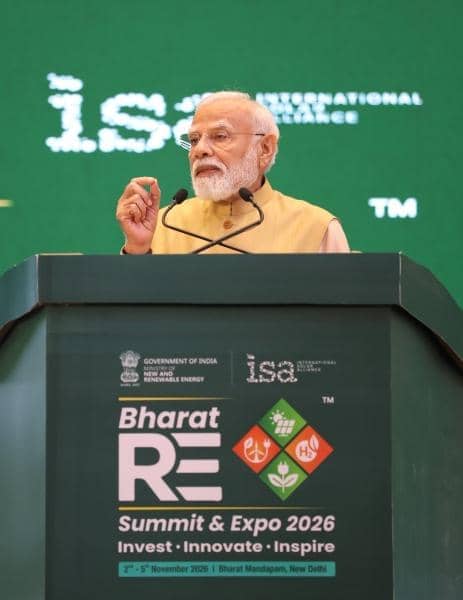


Prime Minister Narendra Modi announced on Monday that India's renewable energy sector is poised to generate investment opportunities exceeding ₹20 trillion by the year 2030. Speaking at the opening session of the Bharat Renewable Energy Summit and Expo 2026, Modi addressed a gathering of industry leaders and investors, outlining the sector's impressive growth and future prospects.




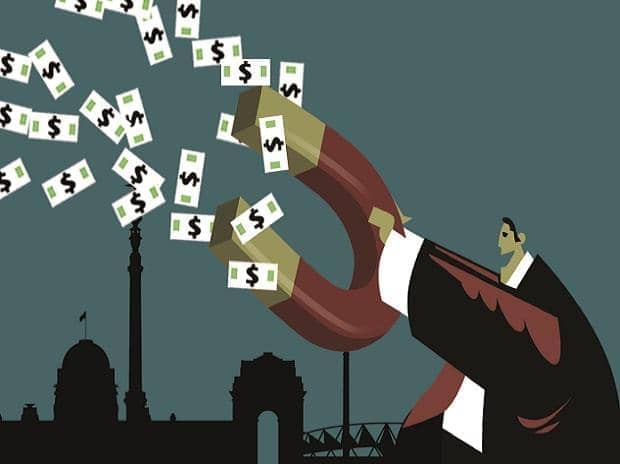
He highlighted that over the last decade, renewable energy in India has attracted investments amounting to more than ₹15 trillion. Since the RE Invest Summit in 2024, an additional ₹6 trillion has been invested, reflecting a strong and accelerating momentum in the clean energy domain.
Modi emphasized the critical link between energy security and economic stability, stating that a country's economic future increasingly depends on clean energy sources. He cautioned that continued reliance on fossil fuels could cause ongoing global economic disruptions due to supply and price volatility.
India has already reached a milestone by achieving a target of 50 percent of installed power capacity from non-fossil fuel sources by 2025. Looking ahead, the government aims to expand this capacity by adding 500 gigawatts of new non-fossil energy within the next 10 to 11 years. This ambitious goal presents a substantial opportunity for investors, researchers, and innovators in the renewable energy sector.
Modi pointed out that India's political stability and clear policy frameworks make it an attractive destination for clean energy investments, offering a scope and scale difficult to find elsewhere globally.
Among government initiatives, Modi mentioned the PM Surya Ghar Muft Bijli Yojana, which has benefited 6.5 million households so far. According to a study, electricity bills for these homes have dropped by 76 percent. Additionally, under the PM KUSUM program, which promotes solar pumps for agriculture, farmers are reportedly saving ₹1 lakh annually. Modi urged rapid solarization of government buildings such as schools, hospitals, and street lighting, and encouraged startups and entrepreneurs to develop models enabling households to meet most of their energy needs through solar power.
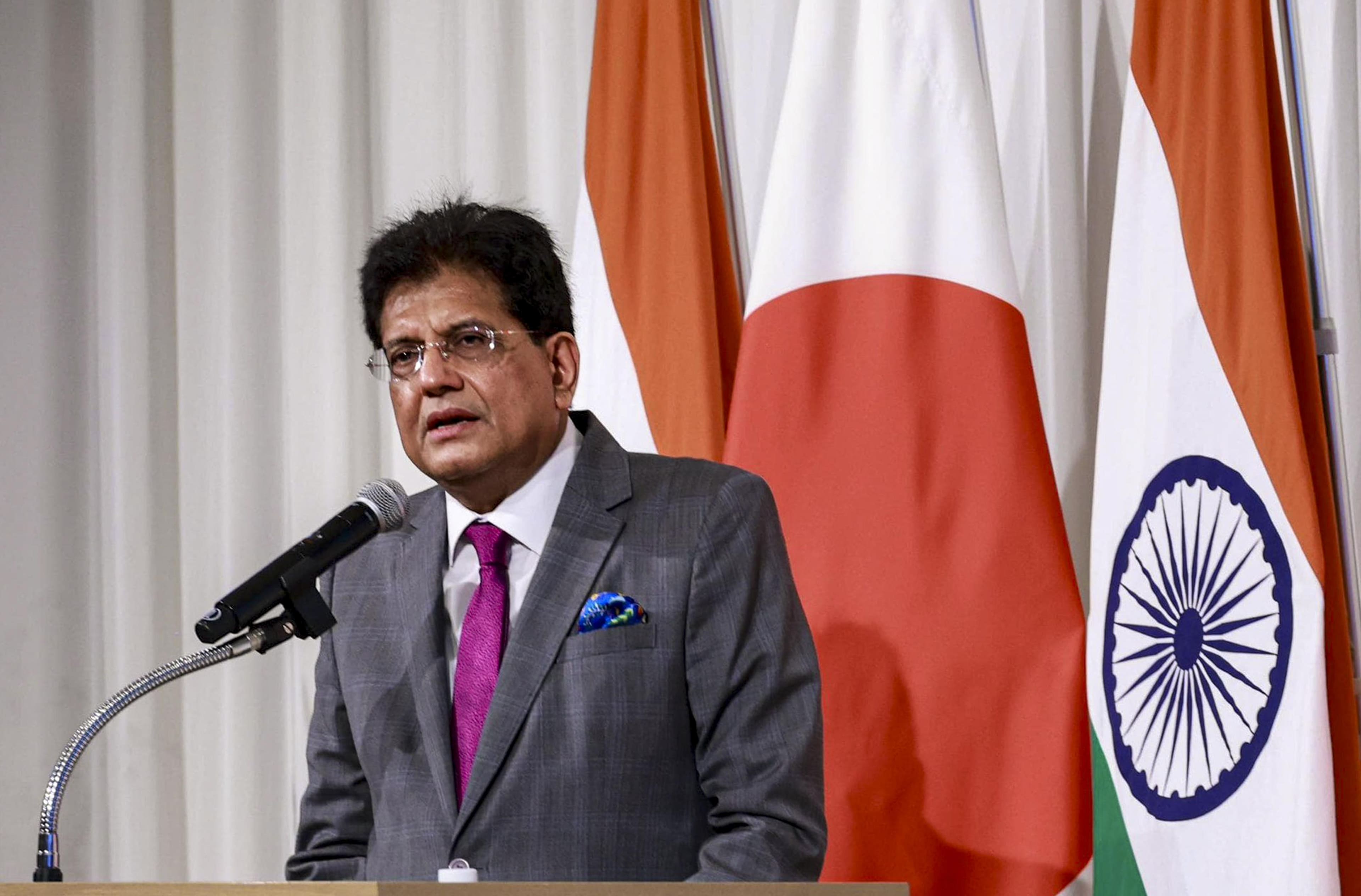
New and Renewable Energy Minister Pralhad Joshi joined the event to report that the renewable energy sector attracted ₹6 trillion in investments over the past two years alone. Foreign direct investment in this period reached ₹5.89 trillion, highlighting international confidence in India's clean energy ambitions.
In related infrastructure news, Prime Minister Modi is set to inaugurate and lay the foundation stone for Pune Metro projects valued at approximately ₹21,800 crore on Tuesday. This includes the launch of Pune Metro Line 3, known as the Pink Line, which cost ₹8,300 crore to develop. The new line stretches around 23 kilometers, linking Maan to the District Court Metro station, and will connect the Hinjewadi IT hub to Shivajinagar, easing daily commutes for thousands of IT workers and residents.
The Pink Line will integrate with the existing Pune Metro network, facilitating seamless travel across the city. The government aims to expand metro networks in major cities to reduce dependence on private vehicles, alleviate traffic congestion, lower emissions, and improve access to commercial and residential centers. Notably, 30 percent of the Pink Line's electricity needs are planned to be met through solar power.
Modi will also lay the foundation for Phase II of the Pune Metro, which involves Lines 2A, 2B, 4, and 4A, with an estimated expenditure of ₹13,500 crore. These lines will enhance connectivity across important residential, commercial, and IT zones. Lines 2A and 2B will cover 12.75 kilometers combined, extending east-west metro routes. Line 4 will run approximately 25.52 kilometers connecting Kharadi to Khadakwasla, and Line 4A will cover 6.12 kilometers between Nal Stop and Manik Baug.
The new corridors will integrate with intercity bus services and connect with existing metro lines at key interchange points such as Swargate, Nal Stop, and Kharadi Bypass, ensuring convenient transit options across Pune.
India’s renewable energy sector is a critical component of the country’s broader efforts to meet rising energy demands while reducing carbon emissions. The government’s push for large-scale renewable capacity, combined with infrastructure projects like Pune Metro, reflects a commitment to sustainable growth and urban development. These initiatives contribute not only to environmental goals but also foster economic activity and job creation in emerging industries.
What's Your Reaction?
 Like
0
 Dislike
0
 Love
0
 Funny
0
 Wow
0
 Sad
0
 Angry
0










Comments (0)