


Petronet LNG Seeks Early Qatar LNG Shipments Amid Strait of Hormuz Disruptions

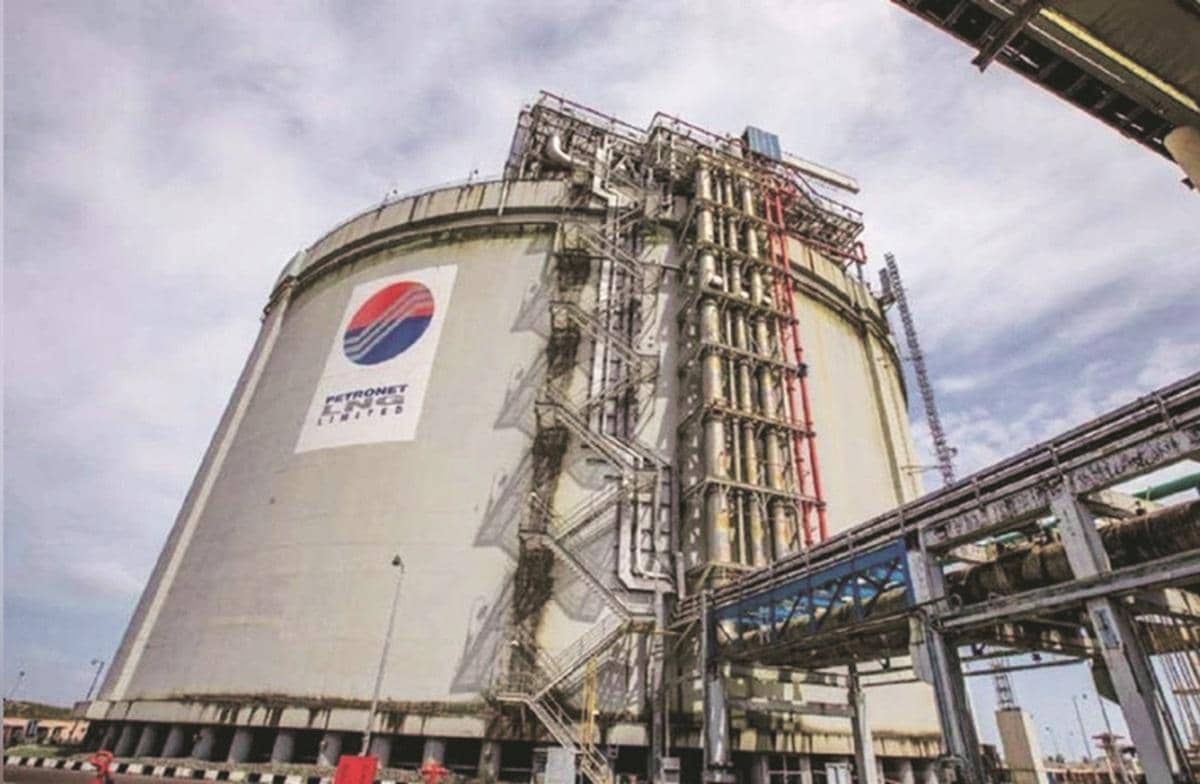


Petronet LNG Ltd (PLL), India's leading liquefied natural gas importer, is actively engaging with QatarEnergy to obtain pending LNG shipments ahead of schedule. This move comes as regional disturbances in the Middle East have significantly hindered the regular flow of LNG cargoes through critical maritime routes.




Akshay Kumar Singh, the managing director and chief executive officer of Petronet LNG, revealed these developments during a media briefing following the company’s quarterly results. Singh explained that between March and October 2026, a period marked by force majeure events disrupting supply, the firm expected to receive approximately 75 to 80 LNG cargoes from Qatar. However, only around six shipments have been received so far, leaving a substantial backlog.
Under typical circumstances, Petronet LNG receives about 9 to 10 LNG cargoes each month from Qatar. Each cargo usually contains close to 138,000 cubic meters of LNG. Due to the ongoing disruptions, the delivery schedule has been severely affected, prompting the company to explore options for early recovery of these deferred shipments.
"We are in active discussions with QatarEnergy to accelerate the delivery of the pending cargoes," Singh stated. He also noted that QatarEnergy is monitoring the evolving situation closely and is currently unable to provide firm commitments until conditions stabilize.
In addition to the cargoes delayed during the recent disruption, Petronet LNG has approximately 53 to 54 cargoes outstanding from a prior settlement agreement dating back to 2015-16. This adds further complexity to the recovery efforts.
Petronet LNG has a long-standing partnership with QatarEnergy. In May 2023, the two companies signed a new 20-year LNG supply contract covering 7.5 million tonnes per annum (mtpa), effective from May 2028 through December 2048. This agreement renews a previous contract initiated in 1999, which was slated to expire in 2028, thereby ensuring continued LNG supply to India for decades.
The contract includes a designated one-year recovery period, allowing Petronet LNG to receive deferred shipments affected by force majeure events. These cargoes are supplied at the original long-term contract prices without any need for fresh negotiations, a provision critical under current circumstances.
Both companies remain vigilant in monitoring geopolitical developments, especially related to the Strait of Hormuz. This narrow waterway is a vital artery for global energy transportation, and disruptions here have far-reaching implications for LNG supply chains worldwide.
Despite the challenges, Petronet LNG posted a robust financial performance in the second quarter of the 2026-27 fiscal year. The company reported a 54 percent increase in consolidated net profit year-on-year, reaching ₹1,235 crore compared to ₹802 crore in the same period last year. However, revenues from operations declined 34.5 percent year-on-year to ₹7,202 crore, reflecting the impact of reduced cargo volumes.
The company’s board declared an interim dividend of ₹7 per share, signaling confidence in its financial health despite supply disruptions.
Operationally, Petronet’s Dahej terminal processed 216 trillion British thermal units (TBTU) of LNG in the quarter ending September 30, 2026, a slight increase from 211 TBTU a year earlier. Overall LNG handling across all terminals stood at 231 TBTU, marginally up from 228 TBTU year-on-year.
Capacity utilization at the Dahej facility declined to 73 percent during the quarter, down from 92 percent the previous year. Company-wide utilization also fell to 64 percent from 78 percent. These figures reflect the constrained supply environment and the ongoing challenges in maintaining steady throughput.
Petronet LNG’s efforts to secure early delivery of pending cargoes amid these disruptions highlight the importance of resilient supply chains in the global energy sector. As energy demand continues to grow in India and worldwide, securing reliable LNG imports remains a strategic priority for companies and governments alike.
What's Your Reaction?
 Like
0
 Dislike
0
 Love
0
 Funny
0
 Wow
0
 Sad
0
 Angry
0














Comments (0)