


India's Probe into Scotch Imports Challenges UK Trade Deal Benefits

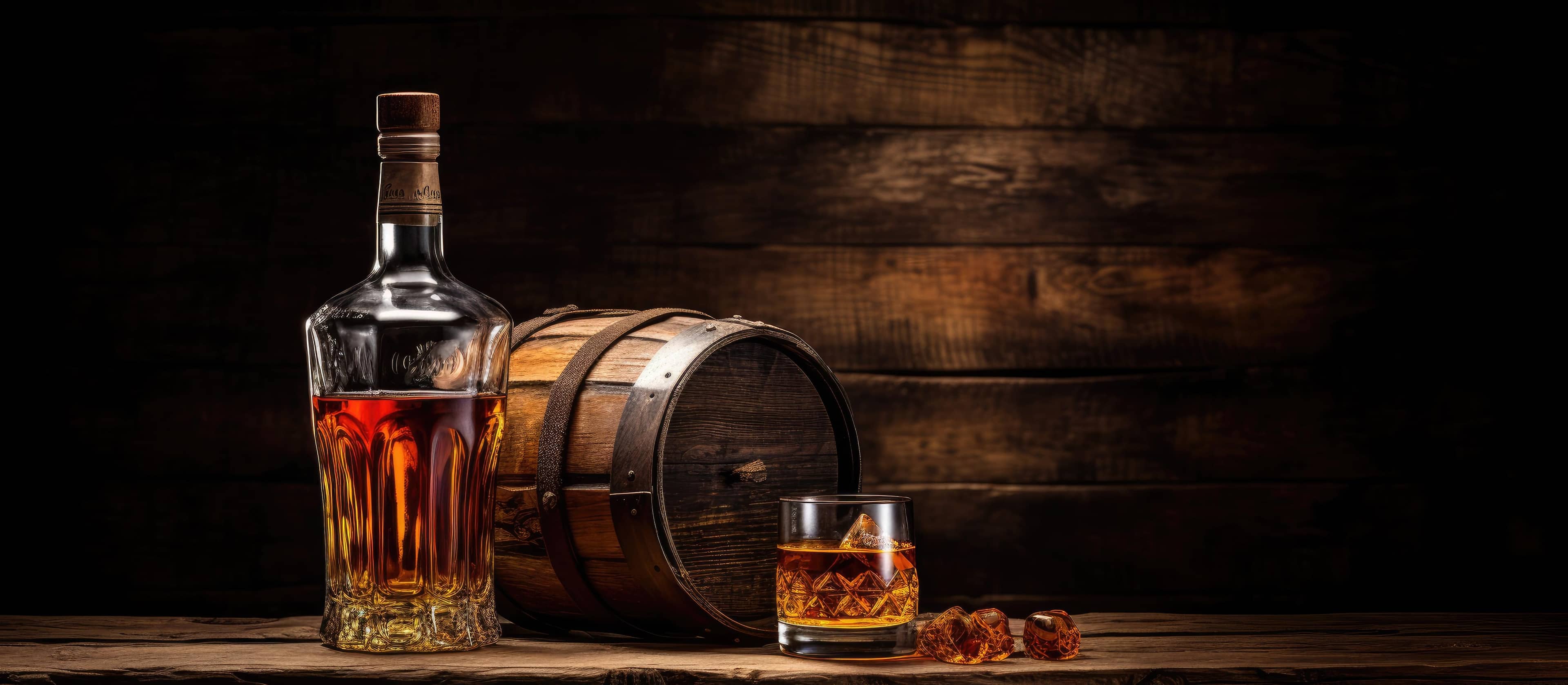


India's recent investigation into bulk Scotch whisky imports has sparked significant concern within the liquor industry, highlighting tensions in the $65 billion market of alcoholic beverages. This scrutiny comes shortly after the implementation of a landmark trade agreement between India and the United Kingdom, which was designed to reduce tariffs on several products, including Scotch whisky.




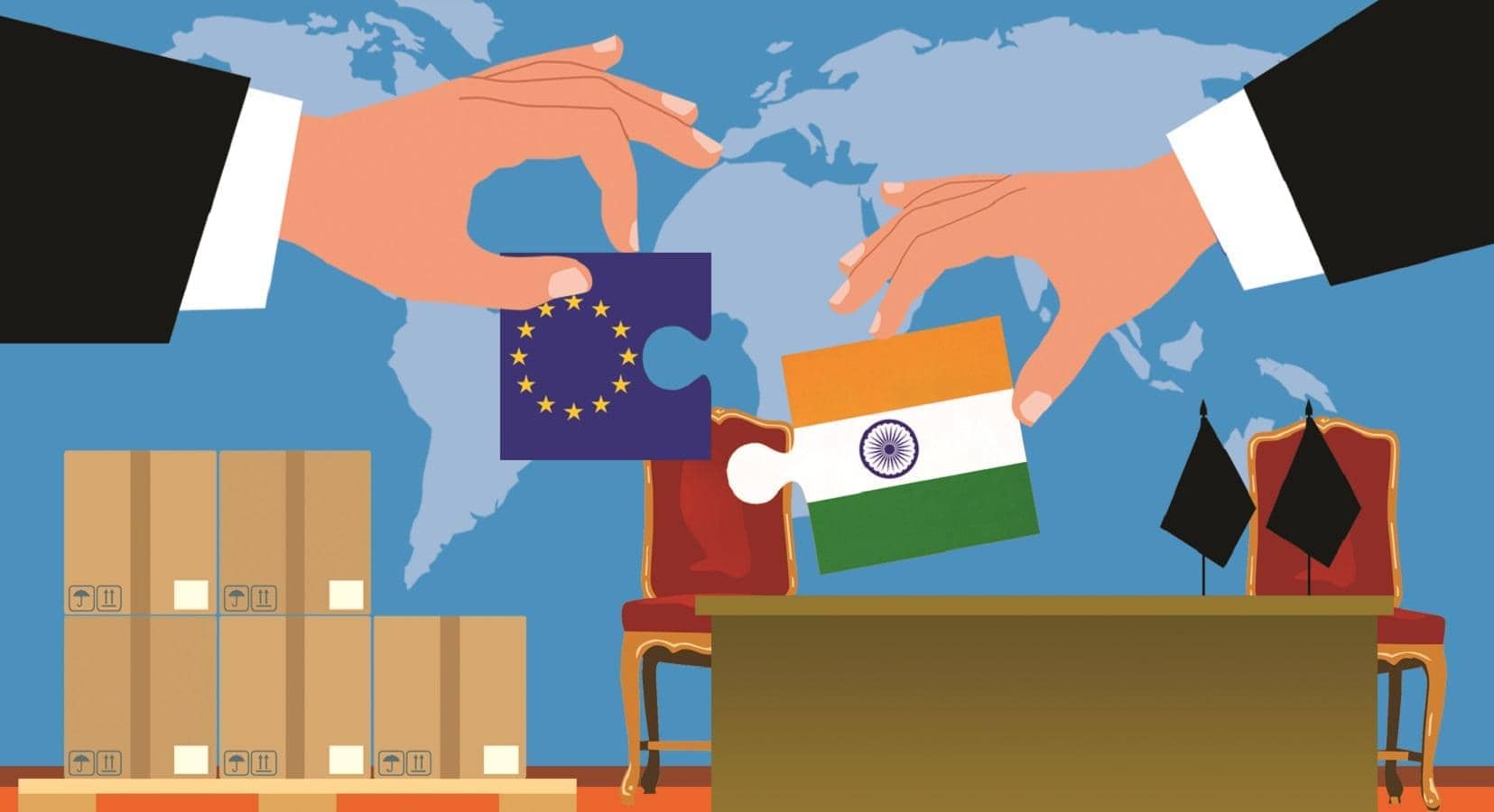
The India-UK free trade agreement, which came into effect on July 15, marked a major development in bilateral trade relations. One of the key points of negotiation was the tariff on Scotch whisky, a product that holds considerable value for both countries. As per the deal, India agreed to immediately cut import duties on certain Scotch whisky products from 150% to 75%, with a further reduction planned to bring tariffs down to 40% over the next decade.
This tariff reduction was anticipated to ease the cost burden on whisky imports, potentially benefiting consumers and retailers. However, the agreement also allowed Indian states to maintain their own additional taxes and levies, which vary widely across the country. Despite these complexities, the overall expectation was that whisky prices would see some relief.
Recently, the Indian government has expressed concerns over whether all Scotch whisky imports are eligible for the reduced 75% tariff. Authorities have begun questioning companies such as Diageo, Pernod Ricard, Radico Khaitan, and Allied Blenders and Distillers. The issue centers on bulk Scotch whisky imports, which are often used as ingredients in producing popular Indian whisky brands, versus bottled Scotch whisky, which clearly benefits from the lower tariff.
According to Indian tax officials, a new customs classification introduced earlier this year—covering "compound alcoholic preparations used for the manufacture of beverages"—applies to bulk Scotch whisky imports. Under this classification, bulk imports would remain subject to the original 150% tariff, rather than the reduced rate. This stance contradicts the view held by many companies and industry experts, who argue that bulk Scotch whisky is a distilled spirit made from malted barley and water, not a flavoured or modified alcohol product.
Rajnish Singh, founder of India's Yaana Advisors, which provides regulatory advice to liquor companies, noted that "compound alcoholic beverages are essentially flavoured or modified alcohols, whereas bulk Scotch Whisky is a distilled alcoholic beverage produced with malted barley and water." These differing interpretations have led to ongoing discussions between the government and industry representatives.
The importance of bulk Scotch whisky imports cannot be overstated. India is the largest export market for Scotch whisky by volume, with over 220 million bottles expected to be exported in 2025 according to the Scotch Whisky Association. Industry estimates suggest about 80% of these imports arrive in bulk form, mainly to be used in Indian-Made Foreign Liquor (IMFL). IMFL is a category of whisky that blends imported Scotch with Indian grain spirits and other ingredients to create popular local brands. Pernod Ricard's Blenders Pride is one such example, described as a blend of Indian grain spirit and imported Scotch malts tailored to Indian tastes.
The UK government has stepped in following media reports detailing the investigation. A spokesperson stated that they are engaging with Indian authorities to resolve the matter and ensure UK exporters can benefit from the agreed tariff cuts. Scotland's Deputy First Minister John Swinney also discussed the issue with Indian officials during a recent visit, emphasizing the importance of protecting Scotch whisky exports.
Industry groups in India have voiced their concerns as well. The International Spirits & Wines Association of India, representing companies like Pernod and Diageo, has privately warned that the contested classification could undermine the trade agreement’s market access benefits. Additionally, the Confederation of Indian Alcoholic Beverage Companies, a domestic trade body, has highlighted potential negative effects on local whisky manufacturing. They argue that excluding bulk Scotch from tariff reductions might encourage imports of finished whisky products over domestically produced ones, which conflicts with India's broader policy of supporting local manufacturing.
Allied Blenders, a major importer of bulk Scotch, recently emphasized in an investor presentation that the India-UK trade pact would enhance the availability of its luxury whisky portfolio. The ongoing dispute underscores the complexities involved in implementing trade agreements across diverse markets and regulatory environments.
As discussions between the Indian government and liquor companies continue, the outcome will have significant implications for the whisky sector in both India and the UK. The case highlights how tariff classifications and regulatory nuances can affect the practical benefits of international trade deals, especially in industries where product forms and production methods vary widely.
What's Your Reaction?
 Like
0
 Dislike
0
 Love
0
 Funny
0
 Wow
0
 Sad
0
 Angry
0
















Comments (0)