


Rupee Strengthens Amid RBI Forex Rules and Market Reactions




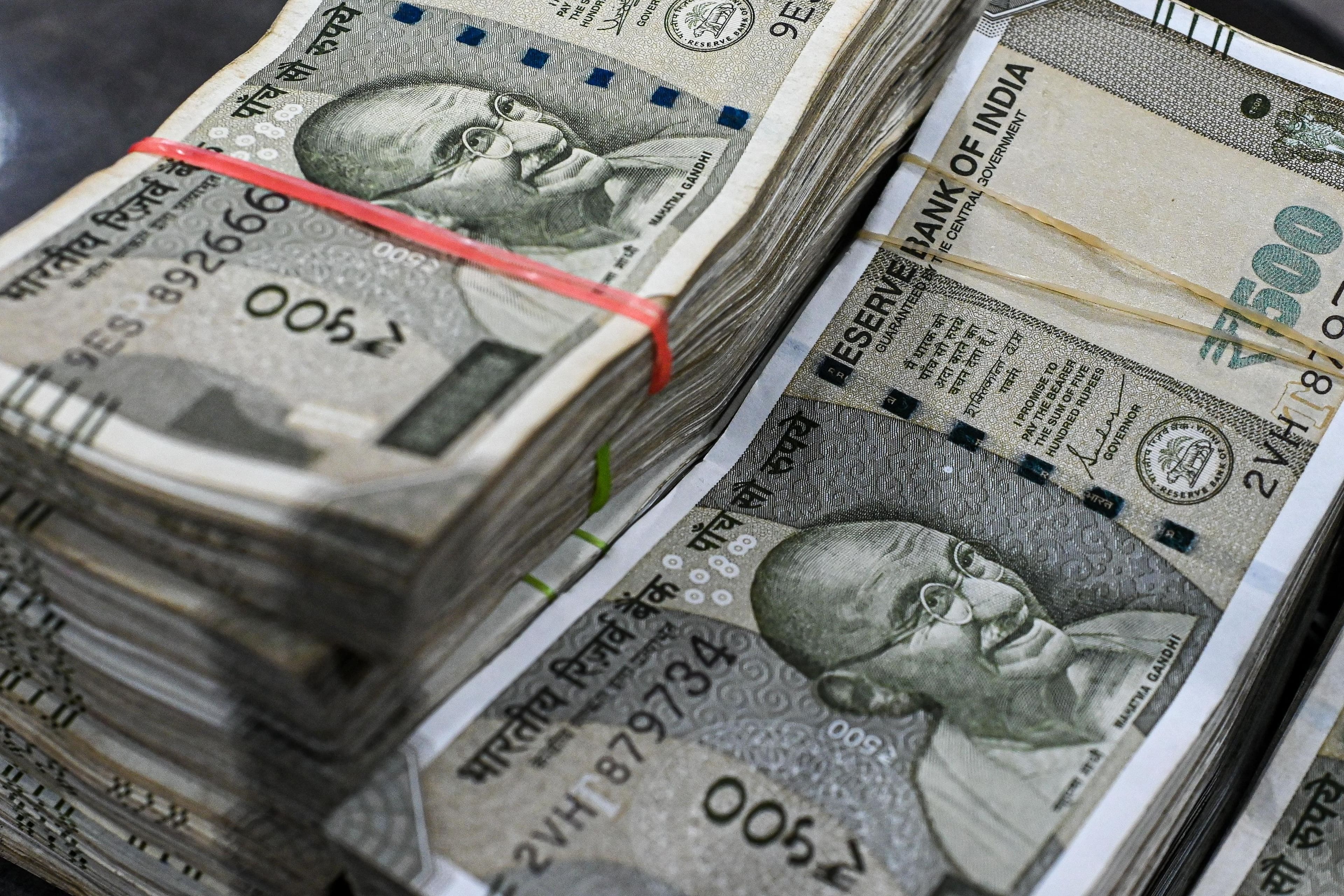
The Indian rupee stood out as the top-performing currency in Asia on Tuesday, advancing 0.5 percent to reach its highest level in one month. Closing at 95.28 against the US dollar, the currency improved from the previous close of 95.78. This marked a 1.6 percent gain over the past three trading days.




Dilip Parmar, senior research analyst at HDFC Securities, noted, "The Indian rupee continued its upward trajectory for the third consecutive session, closing near a one-month high." He attributed this rise to several factors including recent regulatory measures implemented by the Reserve Bank of India (RBI) aimed at controlling volatility and curbing speculative trading activities. The unwinding of long dollar positions, a generally weaker US dollar, easing crude oil prices, and a rebound in domestic equity markets also contributed to the rupee's strength.
In recent weeks, the RBI has introduced a series of foreign exchange policy changes designed to reduce pressure on the rupee. Among these are a dedicated dollar window for state-owned oil marketing companies and stricter regulations on foreign exchange derivatives. These steps are intended to lower demand for dollars in the spot market and discourage speculative positions that could destabilize the currency.
Further tightening came with an RBI notification late Monday restricting non-deliverable derivative contracts (NDDCs) involving the rupee for non-resident users exclusively to hedging purposes. The RBI stated, "On a review, it has been decided that henceforth, Authorised Dealers shall offer NDDCs involving INR to a non-resident user only for the purpose of hedging."
Additionally, the RBI mandated that authorised dealers maintain a foreign exchange risk reserve (FERR) equal to 20 percent of the notional amount of eligible rupee derivative contracts they undertake to hedge currency risk on their own portfolios. This new requirement has unsettled some bankers who are uncertain about how to operationalize the reserve, leading several lenders to hesitate in quoting contracts that involve buying dollars for clients. Market participants reported subdued activity, with exporters and importers focusing on essential transactions only.
Anil Kumar Bhansali, head of treasury and executive director at Finrex Treasury Advisors LLP, explained the situation: "The RBI issued a circular restricting NDF only for Non-Resident users and only for hedging purposes. Also, banks hedging their own assets and liabilities must pay 20 percent FERR when buying dollars. This caused panic among some bankers who stopped hedging for clients requiring dollar purchases. No further guidance from RBI on how to implement FERR has been provided."
The Foreign Exchange Dealers' Association of India (FEDAI), which represents authorised dealers, is actively engaging with the RBI to clarify these new rules. A treasury head at a state-owned bank said, "We have sought clarity on how to comply with the new requirements because a uniform approach is necessary among all market participants."
Market data also reflected volatility in forward premiums during the session. The one-month forward premium initially rose to around 7 percent before easing to 5.66 percent. The one-year forward premium climbed to 4 percent before dropping to 3.65 percent in the afternoon, influenced by interest from public sector banks.
Support for the rupee was seen at 95 per dollar, with market observers suggesting that a sustained move below this level could push the currency towards 94.50. However, external macroeconomic pressures are expected to limit further gains. The dollar index declined by 0.2 percent to 102.3, while most Asian currencies remained steady. The rupee also benefited from softer crude oil prices, although sustained elevated oil costs and ongoing foreign portfolio outflows remain challenges to a continued recovery.
These developments come at a time when the RBI is striving to balance currency stability with the needs of exporters, importers, and the broader financial market. The regulatory measures reflect an effort to curb speculative excesses while supporting market confidence in the rupee. How banks and market participants adapt to these new rules will likely influence the currency's trajectory in the near term.
What's Your Reaction?
 Like
0
 Dislike
0
 Love
0
 Funny
0
 Wow
0
 Sad
0
 Angry
0
















Comments (0)