


Odisha Tops Sugar Inflation as Prices Surge Across India in September

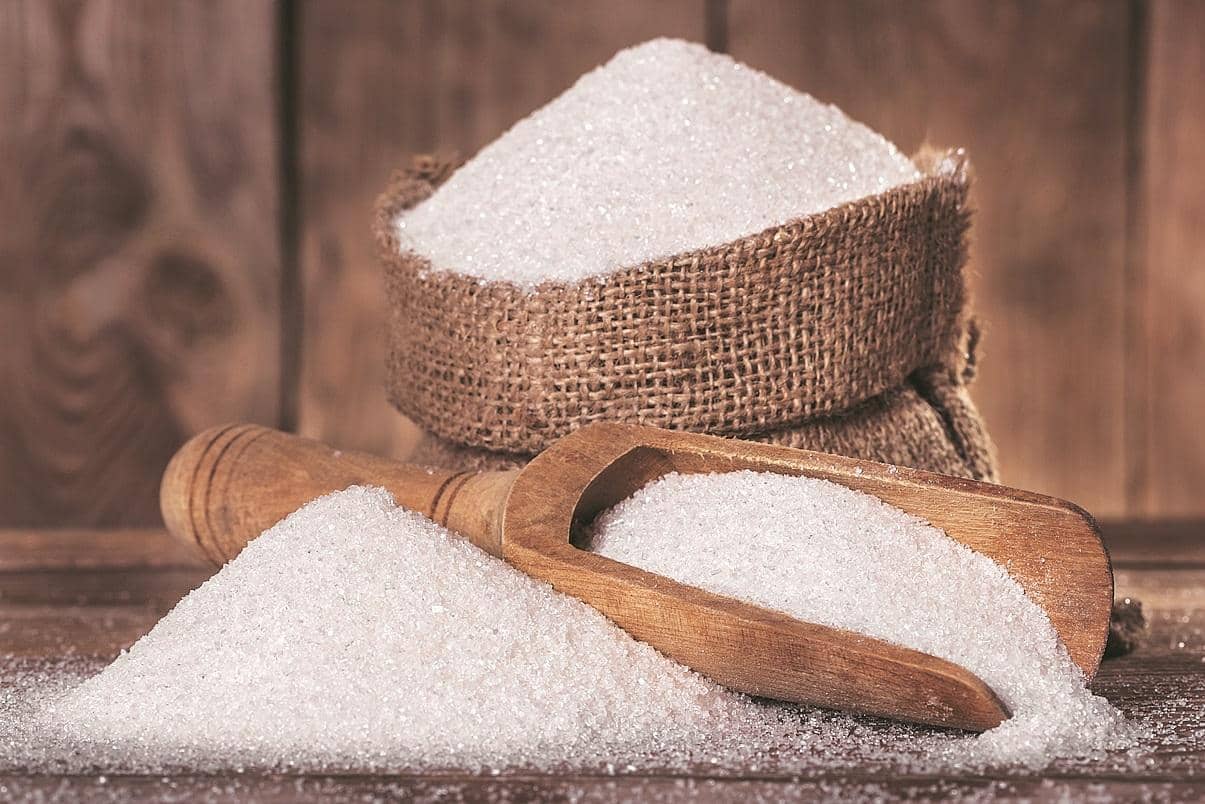


Retail sugar prices across India saw a significant increase in September 2026, with inflation surpassing 30 percent in 21 out of 36 states and Union Territories, according to the latest Consumer Price Index (CPI) figures. Odisha recorded the highest inflation rate in the country, with sugar prices rising 37.48 percent compared to the same month last year.




At the national level, sugar inflation climbed to 29.80 percent in September, up from 24.27 percent in August. This marks the sharpest rise since January 2026, the earliest month covered under the new CPI series that uses 2024 as the base year. The sugar price index hit 136.25 in September, the highest level since January 2025. Earlier in the year, retail sugar inflation was much lower, at just 1.44 percent in April.
Every state and Union Territory, except Rajasthan, experienced higher sugar inflation in September compared to August. Rajasthan saw a slight easing from 25.65 percent to 25.15 percent. The surge in sugar prices reflects multiple factors including supply challenges and changes in government policy.
One key development affecting sugar availability is the decision by oil marketing companies to exclude ethanol made from sugarcane juice, sugar syrup, and B-heavy molasses from their procurement tenders for the 2026-27 supply year. B-heavy molasses is a by-product of sugar production that still contains some residual sugar. This policy shift was announced amid concerns about sugar supply tightening due to poor rainfall in major sugarcane-growing states such as Maharashtra and Karnataka.
At the wholesale level, sugar inflation was recorded at 12.72 percent in September according to Wholesale Price Index (WPI) data. Although this is a decline from the 16.29 percent seen in August—which was the highest in 30 months—it still indicates sustained upward pressure on sugar prices. Notably, wholesale sugar prices had been declining earlier in 2026, with negative inflation in March and April.
The ethanol procurement tender issued on October 16, 2026, now only allows bids for ethanol derived from maize, broken rice, surplus rice procured by the Food Corporation of India, and C-heavy molasses, which is the final molasses after most sugar extraction is complete. The tender also reduced the incentive for maize-based ethanol, lowering the rate from ₹5.79 per litre to ₹2.79 per litre, thereby decreasing the procurement price from ₹71.86 to ₹68.86 per litre.
Maize prices, which influence ethanol cost, also saw a reversal in trend in September, rising 3.34 percent compared to the previous year, as reported by the Ministry of Commerce and Industry. This ended a 13-month period of falling maize prices that lasted from August 2025 to August 2026. The steepest decline during that period was 13.79 percent in March 2026.
The rising sugar prices have implications for consumers and industries alike. Sugar is a staple commodity in India, widely used not only in households but also in food processing and beverage sectors. The combination of reduced ethanol procurement from sugar-based sources and adverse weather conditions affecting sugarcane output has tightened supply, pushing prices higher.
India is one of the world’s largest producers and consumers of sugar. The industry is closely linked to agricultural patterns and policy decisions regarding ethanol, which is blended with petrol to reduce fossil fuel dependence. Adjustments in ethanol procurement policies can therefore have ripple effects on sugar availability and pricing.
Experts suggest that the current inflation trend in sugar may continue in the near term unless there is a significant improvement in sugarcane production or policy shifts that encourage higher sugar output or alternative ethanol sources. Consumers may face higher prices at retail outlets, and food manufacturers could see increased input costs, potentially impacting product prices across the board.
In summary, September 2026 recorded notable sugar price inflation across India, with Odisha experiencing the steepest increase. Policy changes regarding ethanol procurement and poor rainfall in key growing regions have contributed to tightening supply. These factors underscore the interconnected nature of agriculture, energy policy, and consumer prices in the Indian economy.
What's Your Reaction?
 Like
0
 Dislike
0
 Love
0
 Funny
0
 Wow
0
 Sad
0
 Angry
0

















Comments (0)