


Mercedes-Benz Eyes India as Future Global Export Hub

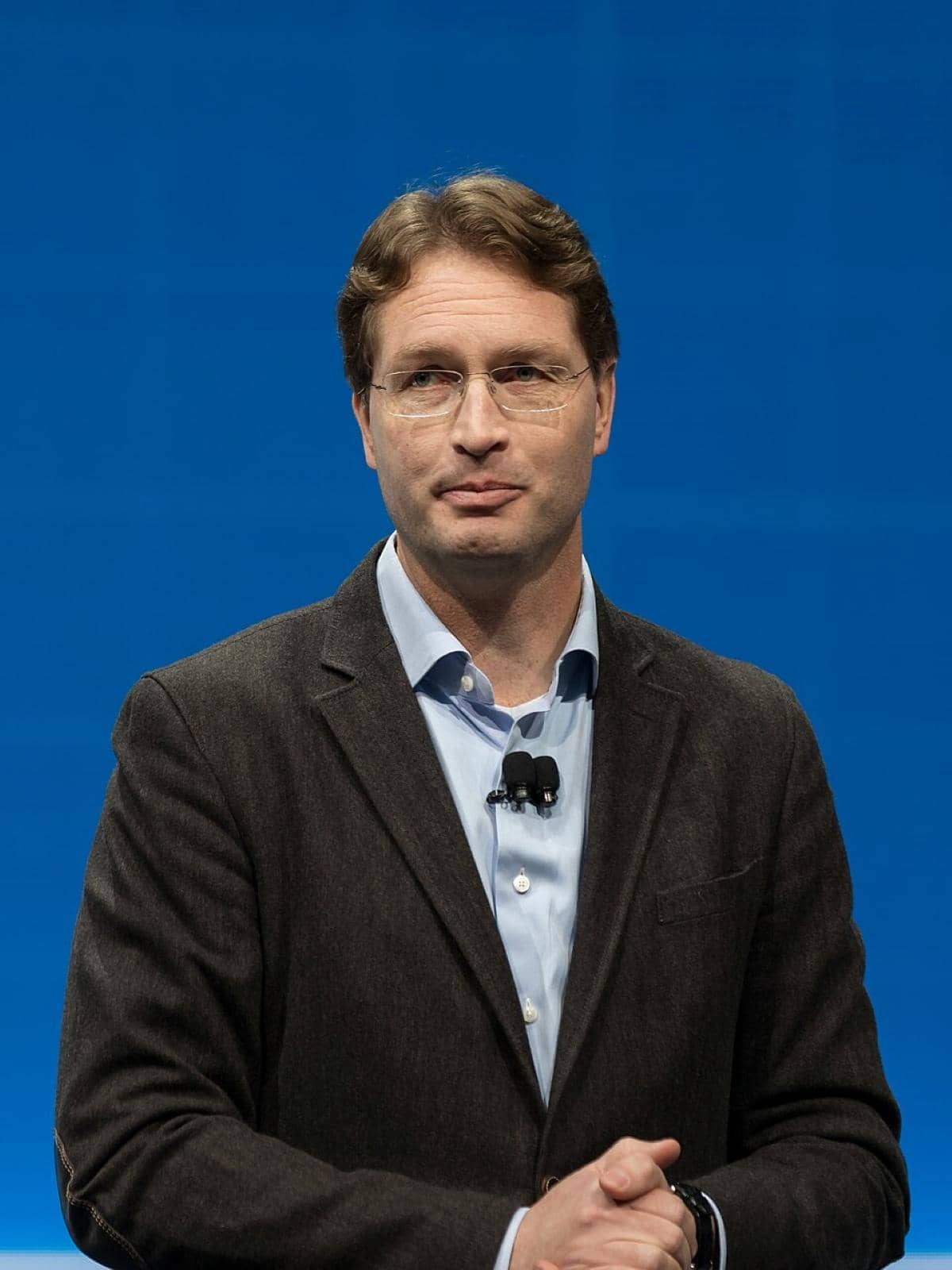


Mercedes-Benz is positioning India to become a significant player in its global manufacturing and export strategy, according to Ola Källenius, chairman of the board of management of Mercedes-Benz Group AG. Speaking at the company’s Chakan plant near Pune, Källenius emphasized that the question is when, not if, India will take on a larger role in producing vehicles for international markets.




Currently, Mercedes-Benz has not finalized any plans to manufacture vehicles in India specifically for export, but the firm is actively expanding its sourcing of components and technology from the country. India’s growing luxury car market, expanding supplier base, and growing engineering expertise present promising opportunities for the automaker.
The Chakan facility has so far focused mainly on serving the Indian market, with limited exports such as the GLC SUV shipment to the US in 2018. However, the company’s global strategy for 2026 highlights an intention to enhance regional sourcing and create service hubs, using international trade agreements to facilitate cross-border business. The proposed India-European Union free trade agreement is expected to reduce barriers and encourage export activities.
India’s luxury vehicle segment remains relatively small, accounting for just over 1 percent of a 5 million annual passenger vehicle market. Mercedes-Benz holds about a one-third share within the premium and luxury segment, selling roughly 20,000 vehicles annually. Despite the segment’s current size, Källenius projects significant growth over the next five to seven years due to India’s economic expansion and evolving consumer preferences.
"We can export components from India before considering full vehicle exports," Källenius explained, highlighting the country’s increasing importance in the supply chain. The company is strengthening partnerships with Indian technology firms and suppliers, aiming to serve both domestic and international needs.
Maharashtra Chief Minister Devendra Fadnavis encouraged Mercedes-Benz to use the state as a hub not only for manufacturing but also for developing advanced technologies like next-generation batteries, artificial intelligence, automotive electronics, and software. Fadnavis envisions Maharashtra evolving into a global center for future mobility solutions.
Santosh Iyer, managing director and CEO of Mercedes-Benz India, noted that the company has invested ₹3,200 crore in India so far, including ₹200 crore in 2026 for manufacturing, new product launches, and digital initiatives. The presence of senior leaders and board members at the Chakan plant underscores the strategic importance of the Indian market for Mercedes-Benz.
India’s rising role comes amid challenges in China, which has long been a crucial market for the automaker but is currently experiencing a slowdown. Källenius affirmed that China remains a vital pillar in the company’s global strategy. He emphasized that India's growing significance does not come at China’s expense but complements the broader international approach.
Mercedes-Benz Research and Development India (MBRDI) is the company’s largest R&D center outside Germany and plays a key role in the firm’s global engineering efforts. Indian teams contribute across multiple areas, including mechanical engineering, software, powertrains, and artificial intelligence. Källenius highlighted collaborations with Indian quantum computing startups as examples of the advanced technology capabilities being integrated into the company’s development pipeline.
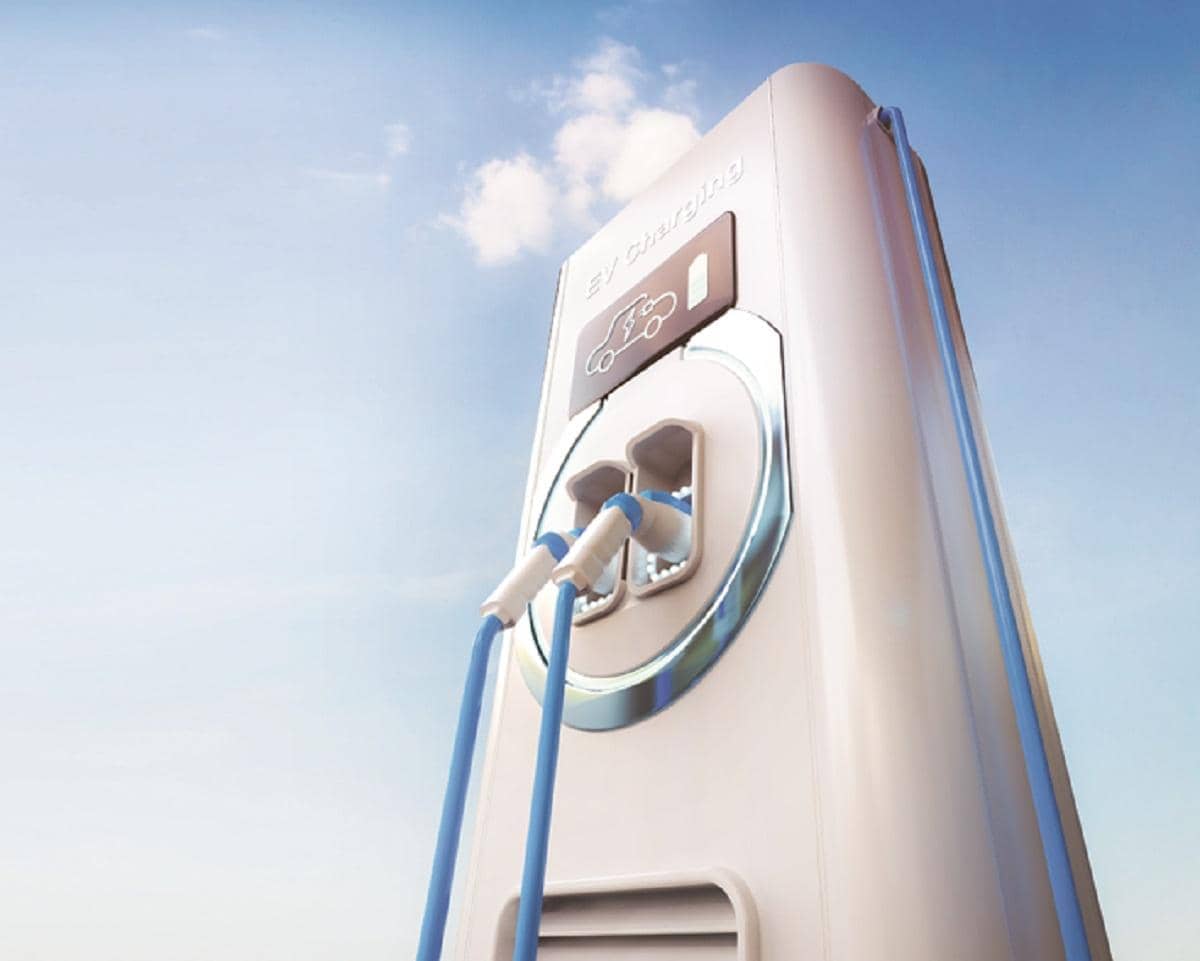
The company also anticipates a significant rise in electric vehicle (EV) sales in India. Källenius expects EVs to reach around 20 percent of Mercedes-Benz India’s sales in 2027, up from a high single-digit share this year. The launch of the locally assembled electric GLC 400 4MATIC SUV, priced at ₹78.50 lakh (ex-showroom) with a claimed range of 711 kilometers, marks an important step. The model has already attracted about 1,000 pre-orders before pricing was announced and over 550 registrations within 36 hours.
Mercedes-Benz plans to offer electric alternatives in every major passenger vehicle segment by the end of the decade. However, Källenius acknowledged that combustion engines will remain part of the lineup for at least another 10 to 15 years as the transition to full electrification will take time.
This evolving strategy reflects Mercedes-Benz’s intent to leverage India’s market potential, engineering talent, and supplier network while responding to global automotive trends. The company’s engagement in India highlights the country’s increasing significance in the luxury automobile industry and global manufacturing landscape.
What's Your Reaction?
 Like
0
 Dislike
0
 Love
0
 Funny
0
 Wow
0
 Sad
0
 Angry
0











Comments (0)