


Indian Cabinet Approves ₹14,500 Cr Scheme for Battery Storage by 2031

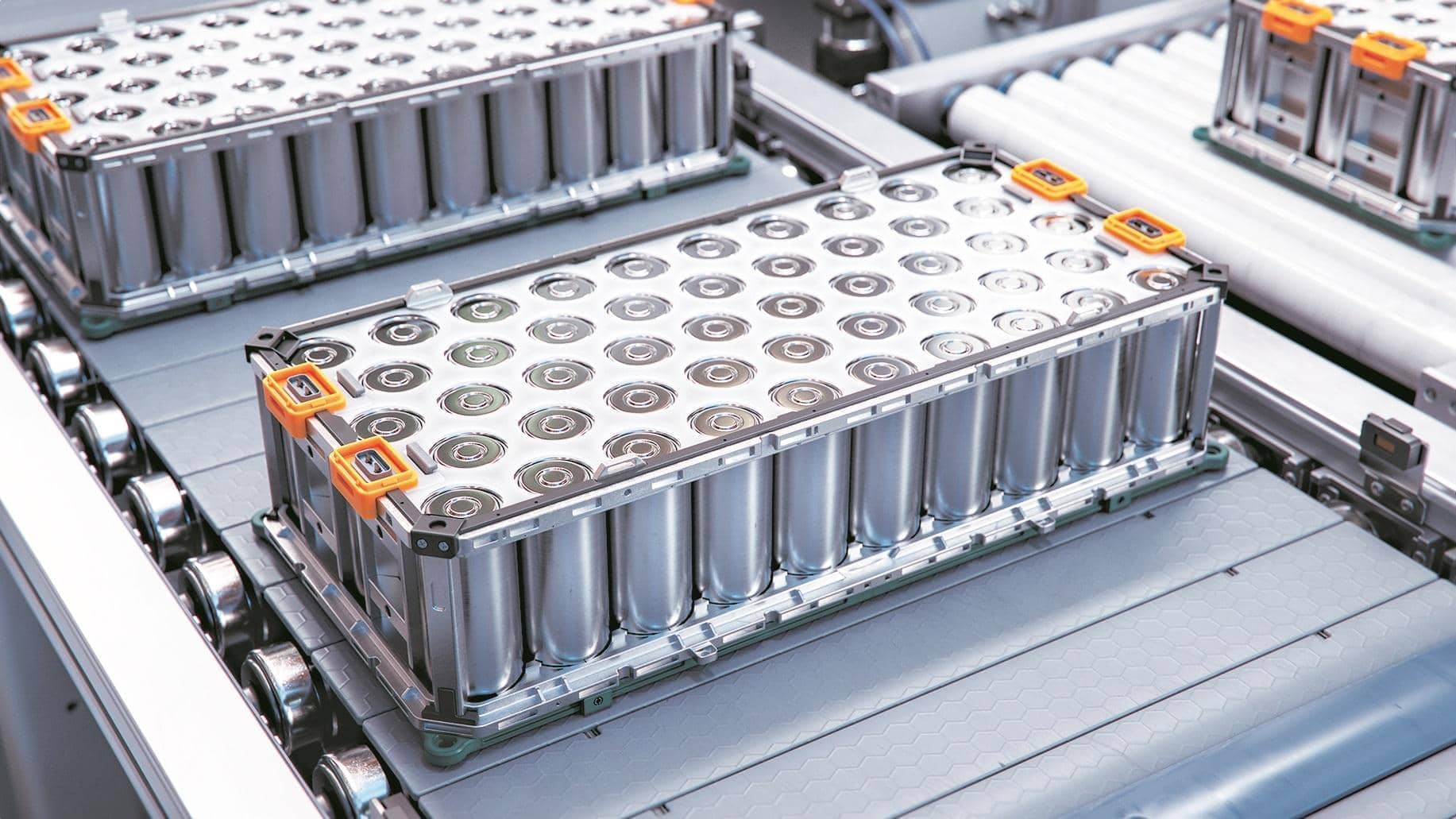


In a major step towards enhancing the country’s renewable energy infrastructure, the Indian Union Cabinet has sanctioned ₹14,500 crore to support the development of large-scale energy storage systems. The funding, announced on November 4, 2026, aims to facilitate the installation of 92 gigawatt-hours (GWh) of grid-scale energy storage capacity between the fiscal years 2027 and 2031.




This initiative is aligned with India’s ambitious goal of achieving 500 gigawatts (GW) of renewable energy capacity by the year 2030. The availability of substantial storage capacity is critical to managing the intermittency challenges associated with renewable sources such as solar and wind power.
Information and Broadcasting Minister Ashwini Vaishnaw provided details during a media briefing in New Delhi, outlining the three key technology categories that will be supported under this scheme. These include Battery Energy Storage Systems (BESS) accounting for 30 GWh, Pumped Storage Projects (PSP) with 60 GWh, and Emerging Storage Technologies contributing 2 GWh of capacity.
The scheme will span five years, extending through to the fiscal year 2030-31. It is designed as a viability gap funding mechanism, which means the government will provide financial support to bridge the cost difference between the project expenses and the revenue generated, making these storage projects more financially viable for developers.
Battery Energy Storage Systems play a vital role in storing electricity generated from renewable sources during periods of low demand and releasing it when demand peaks. This capability helps stabilize the electricity grid and reduces reliance on fossil fuel-based power plants. Pumped Storage Projects, on the other hand, involve using surplus electricity to pump water uphill to a reservoir, which can later be released to generate hydroelectric power when needed, offering a well-established form of large-scale energy storage.
Emerging storage technologies refer to innovative and newer methods of energy storage that are still under development or early deployment stages. These may include technologies such as flow batteries, compressed air energy storage, or other advanced solutions that can complement existing storage options and improve grid flexibility.
India’s push for renewable energy has accelerated in recent years, driven by the need to reduce carbon emissions, enhance energy security, and promote sustainable development. Achieving 500 GW of renewable capacity by 2030 requires not only the installation of generation assets but also the integration of systems that can efficiently manage supply and demand variability.
This government funding scheme represents a significant commitment to building the infrastructure necessary for a modern, resilient energy grid. By supporting a variety of storage technologies, the policy encourages innovation and diversification, which are essential for addressing the complex challenges of renewable integration.
Experts note that energy storage is a crucial component in the energy transition, as it enables higher penetration of intermittent renewable energy sources without compromising grid reliability. The approved funding aims to lower the cost barriers that have historically hindered the deployment of large-scale storage solutions in India.
With this initiative, India is positioning itself to not only meet its renewable energy targets but also create opportunities for technology development and job creation in the energy storage sector. The scheme is expected to attract investments from both domestic and international players interested in contributing to the country’s clean energy future.
As the implementation unfolds over the next five years, stakeholders from government agencies, industry, and research institutions will collaborate to ensure that the storage projects achieve operational success and deliver tangible benefits to the power system.
This move by the Union Cabinet underscores the growing recognition of energy storage as a critical enabler of sustainable power systems and highlights India’s commitment to a greener and more reliable energy landscape.
What's Your Reaction?
 Like
0
 Dislike
0
 Love
0
 Funny
0
 Wow
0
 Sad
0
 Angry
0
















Comments (0)