


Fed Officials Signal Patience on Rates as Markets Lower October Hike Odds

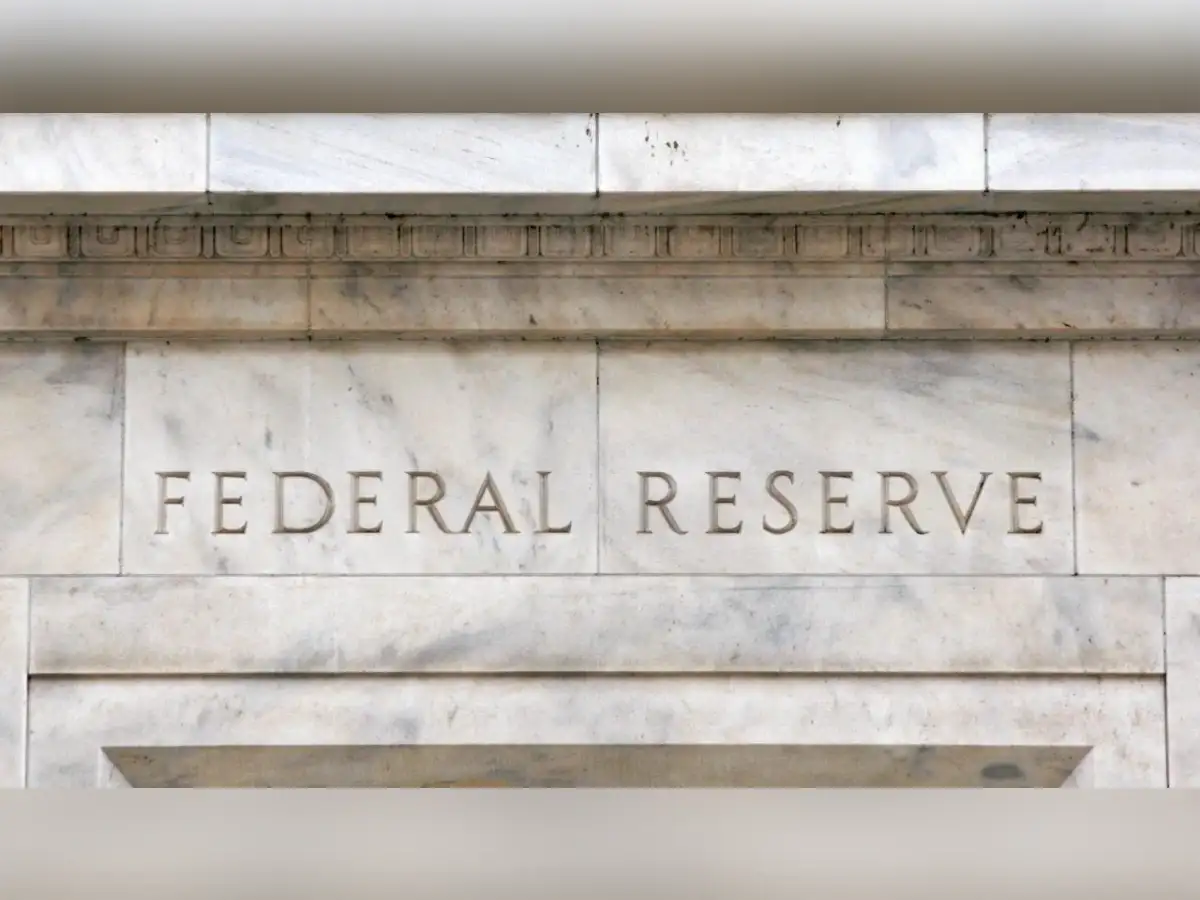


Federal Reserve officials have recently provided clearer indications regarding the future path of interest rates, despite Chairman Kevin Warsh's reluctance to offer explicit forward guidance. These comments have led market participants to reassess the likelihood of a rate increase in October, according to a Bloomberg report.




In recent speeches, Fed Vice Chair Philip Jefferson and New York Fed President John Williams conveyed that policymakers believe there is sufficient time to evaluate economic data before deciding on further tightening. Their remarks suggest a more measured approach rather than an immediate move to raise rates again.
However, this does not imply that the Fed has ruled out additional hikes. Inflation remains elevated, and the upcoming consumer price index data scheduled for October 14 will be a significant factor in shaping policy decisions. Officials continue to emphasize the need to monitor inflation closely as they balance economic growth and price stability.
Ellen Meade, an economics professor at Duke University with extensive Fed experience, explained that these statements do not constitute traditional forward guidance. She highlighted that the Fed’s communication is more about signaling a deliberate process rather than committing to specific rate changes. "There is a subtle but important distinction between locking in a rate move and signaling a cautious, data-driven approach," Meade said.
William English, a Yale School of Management professor and former Fed division director, noted that the speeches by Jefferson and Williams likely were not coordinated. According to English, these officials were expressing their individual views on the economy and policy rather than delivering a unified message.
At a conference in Asheville, North Carolina, three other regional Fed presidents—Tom Barkin (Richmond), Susan Collins (Boston), and Jeff Schmid (Kansas City)—avoided providing clear expectations for the Fed’s last two meetings of the year. Barkin emphasized the importance of observing how economic conditions evolve, saying, "Let’s see how things develop." Chicago Fed President Austan Goolsbee offered a nuanced perspective, stating that both rate hikes and cuts remain possible. He pointed to steady labor market data but reiterated that inflation remains the central concern.
Additional remarks from Fed Governor Michelle Bowman indicated no urgent need for further rate increases at this time. Meanwhile, Dallas Fed President Lorie Logan, a strong advocate for raising rates earlier this year, acknowledged that multiple hikes might still be necessary to achieve the Fed’s 2% inflation target. Logan also noted that rising term premiums in bond markets—extra yields investors demand for holding longer-term debt—could contribute to slowing economic activity.
The cumulative effect of these comments prompted a notable shift in market expectations. Before Williams spoke on October 3, futures markets assigned about a 70% chance to a rate hike at the Fed’s October 27-28 meeting. By the end of Jefferson’s October 5 speech, that probability fell to roughly 25%, influenced also by softer-than-expected inflation figures.
As the New York Fed President, Williams holds a permanent seat on the Federal Open Market Committee (FOMC) and traditionally is viewed as part of the leadership core along with the chair and vice chair. Historically, market participants have interpreted remarks from this group as signals of the Fed’s likely policy direction. However, Bloomberg’s reporting found no evidence that Jefferson and Williams coordinated their speeches with each other or with Warsh.
Economic analysts, including those at Goldman Sachs, interpreted the combined messages of Jefferson and Williams as reinforcing the idea that an October rate increase is unlikely. Krishna Guha of Evercore ISI described their remarks as authoritative, while JPMorgan Chase’s Michael Feroli said the speeches conveyed the Fed’s intent to space out rate adjustments rather than pursue consecutive hikes.
Last month, the Fed unanimously raised interest rates by 25 basis points, marking the first increase since 2023 amid persistent inflation and accelerating economic growth. Following that decision, Fed projections suggested support for one additional hike this year. Chairman Warsh, however, has distanced himself from providing forward guidance, avoiding public signals about future moves and urging markets to focus on incoming economic data instead.
This shift in communication strategy has found some backing among economists and market watchers. Critics of forward guidance argue that while it can be beneficial during times of crisis, it may lose effectiveness when economic conditions are volatile and the outlook uncertain.
In summary, the recent statements from Fed officials indicate a more cautious stance on interest rates, encouraging markets to temper expectations for an imminent hike. The central bank appears poised to carefully weigh incoming economic indicators, particularly inflation data, before making further policy changes in the final months of the year.
What's Your Reaction?
 Like
0
 Dislike
0
 Love
0
 Funny
0
 Wow
0
 Sad
0
 Angry
0













Comments (0)