


Delhi Launches DITI as New Policy Advisory Body for 2047 Vision



The Delhi government has introduced the Delhi Institute for Transformation and Innovation (DITI), a new advisory body designed to steer the city's policy-making and development strategies. This initiative aligns with Delhi's ambitious plan titled "Viksit Dilli by 2047," aiming for sustainable growth and progress over the next two decades.




Officials announced on Saturday that DITI is modeled after the central government's NITI Aayog, which serves as a premier policy think tank at the national level. By adopting a similar structure, Delhi seeks to enhance its capacity for strategic planning, innovation, and institutional reforms that can drive comprehensive urban development.
DITI will replace the Dialogue and Development Commission (DDC), the previous advisory group that functioned as the city government's think tank under the Aam Aadmi Party (AAP) administration. The transition from DDC to DITI marks an effort to strengthen policy advisory mechanisms by establishing a more robust and dynamic platform.
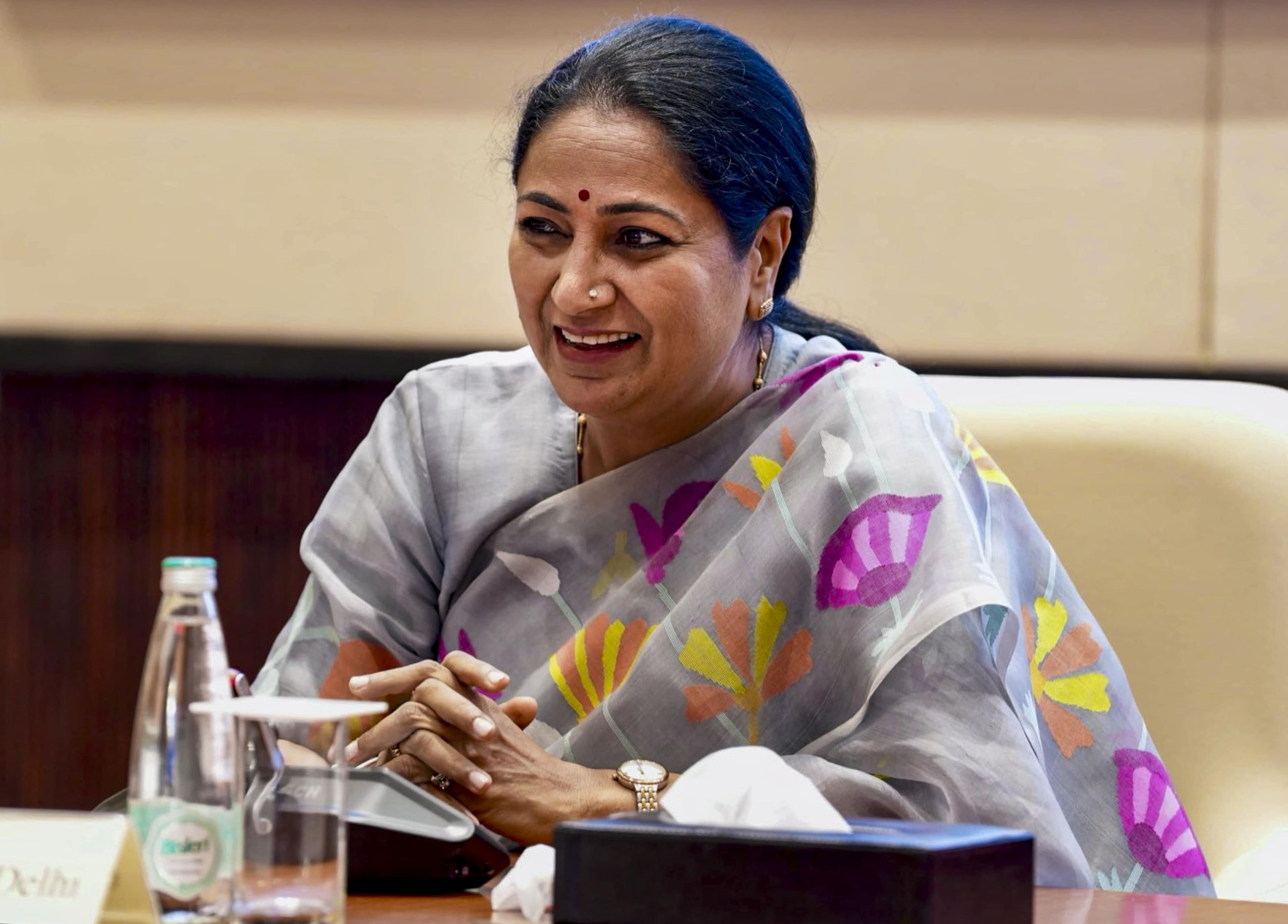
The establishment of DITI was first announced by Chief Minister Rekha Gupta during the Delhi budget session in March, signaling the government's commitment to creating a forward-looking institution that supports evidence-based decision-making. Subsequently, in July, the government formally approved the creation of the think tank, outlining its organizational structure and governance.
The framework of DITI includes a Governing Board and an Executive Committee. The chairperson of the Governing Board will be appointed by the Chief Minister, ensuring direct oversight and alignment with governmental priorities. Membership of the board encompasses all ministers from the Delhi government, the Chief Secretary, the Vice-Chairperson of the Delhi Development Authority (DDA), and the Commissioner of the Municipal Corporation, among others. This diverse representation aims to facilitate coordination across different administrative departments and sectors.
Delhi’s decision to create DITI reflects a broader trend among regional governments to institutionalize policy advisory bodies that can provide expert guidance on complex developmental challenges. Think tanks like these are crucial for crafting long-term strategies, analyzing socio-economic trends, and suggesting reforms that improve governance and public service delivery.
Delhi faces numerous challenges typical of a rapidly growing metropolis, including infrastructure development, housing, environmental sustainability, and equitable social welfare programs. With DITI in place, the government hopes to adopt a more integrated approach to tackling these issues by leveraging research, data analysis, and innovation.
Building upon the legacy of the DDC, DITI is expected to operate with greater autonomy and capacity, enabling it to engage with academic institutions, civil society, industry experts, and international organizations. Such collaboration can enrich policy discussions and contribute to Delhi’s evolution into a model city.
The "Viksit Dilli by 2047" initiative sets a clear timeline for the city’s transformation, coinciding with the centenary of India’s independence. This vision encompasses economic growth, enhanced quality of life, technological advancement, and inclusive governance. The creation of DITI is a strategic step to ensure that these goals are grounded in well-researched policy frameworks and actionable plans.
As urban centers across India grapple with similar developmental imperatives, Delhi’s approach of institutionalizing a NITI Aayog-like advisory body may serve as an example for other states and union territories seeking to strengthen their policy infrastructure.
In summary, the launch of the Delhi Institute for Transformation and Innovation represents a significant development in the city’s governance architecture. By replacing the Dialogue and Development Commission with a more comprehensive and strategically oriented body, Delhi aims to enhance its capacity for effective policy-making, ultimately supporting its long-term vision of becoming a developed and innovative metropolis by 2047.
What's Your Reaction?
 Like
0
 Dislike
0
 Love
0
 Funny
0
 Wow
0
 Sad
0
 Angry
0















Comments (0)