


Coal Ministry Plans to Suspend Mining for Plan Violations

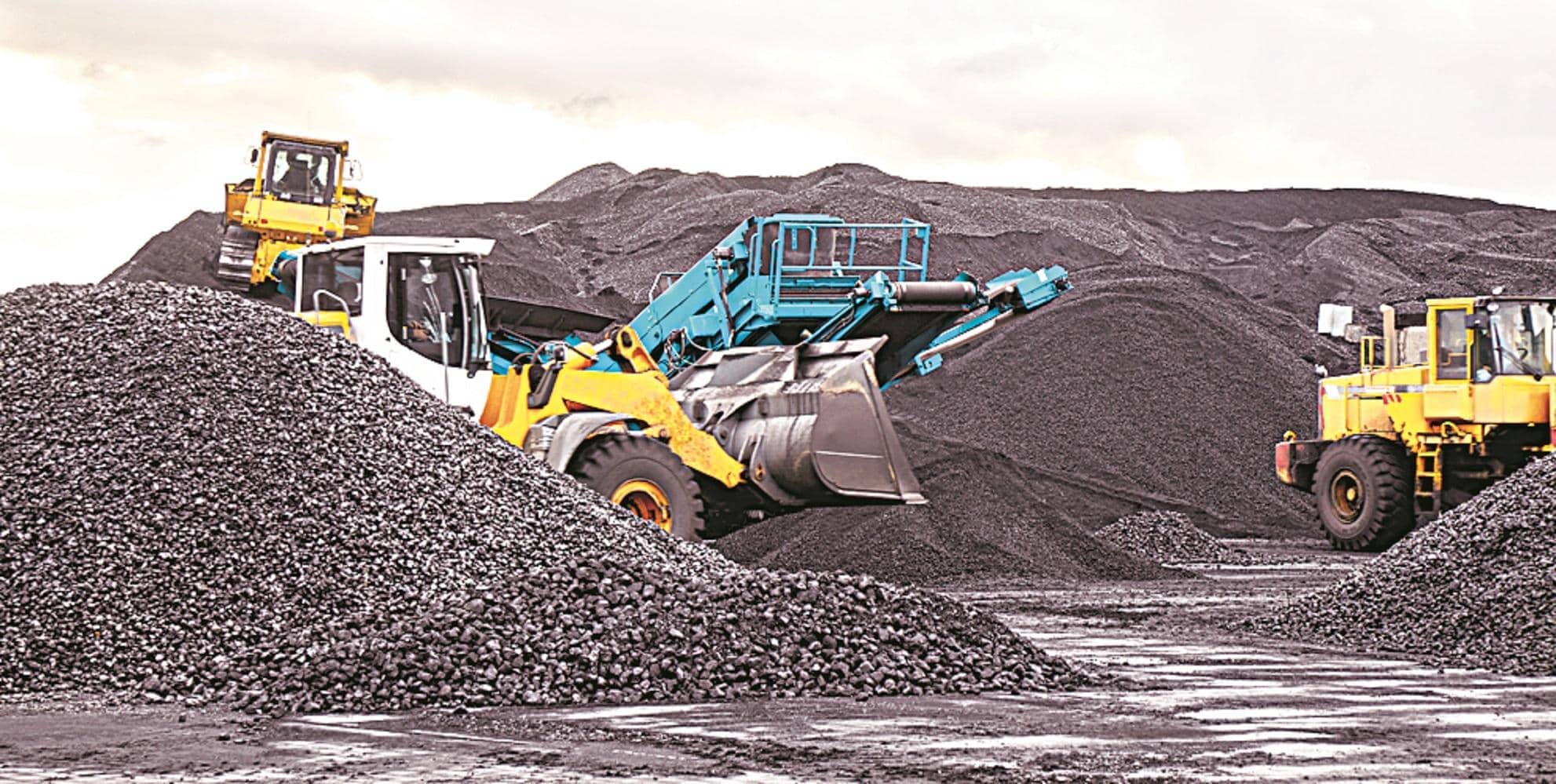


The Ministry of Coal has introduced a draft amendment to its regulations that would empower authorities to halt coal and lignite mining activities when operators violate their approved mining plans. The proposed Colliery Control (Amendment) Rules, 2026, also require company boards to submit yearly declarations affirming adherence to the mining plans and relevant laws.




Under the new draft rules, the competent authority would initially issue a directive to the colliery owner to fix any identified violations within a set timeframe. If the issues remain unaddressed, the authority can serve a show-cause notice giving the mining operator 15 days to explain why their operations should not be suspended. Should the response fail to satisfy the authority, it may suspend all or part of the mining operations, except for activities necessary to bring the mine back into compliance with the approved plan.
The draft also allows for temporary suspension of mining operations when the authority deems it necessary to protect public safety, safeguard the environment, or prevent imminent or irreversible harm. All reasons for such suspensions must be documented in writing.
These amendments fall under Section 18 of the Mines and Minerals (Development and Regulation) Act, 1957. The government published the draft rules in the Gazette on 7 October and is inviting comments from stakeholders. Feedback must be submitted within 30 days from the date the Gazette copies become publicly available, addressed to the Under Secretary of the Ministry of Coal's P&S-I Section.
In addition to enforcement measures, the draft mandates that boards of project-proponent companies submit an annual declaration to the Coal Controller. This declaration must confirm that mining activities at their coal or lignite sites fully comply with the approved mining plan and all applicable laws. For project proponents who are not incorporated companies, the colliery owner must provide this declaration.
The proposed rules also clarify the powers and jurisdiction of various officers within the Coal Controller's organization. Positions such as the Deputy Coal Controller, regional heads, Coal Superintendents, Assistant Coal Superintendents, and surveyors would have clearly defined functions and territorial authority, as prescribed by the Coal Controller.
The Coal Controller or a duly authorized officer would serve as the competent authority responsible for ensuring compliance with mining plans, except for issues governed by the Directorate General of Mines Safety or other statutory regulators. The draft includes a revision mechanism allowing parties aggrieved by enforcement orders to seek review. Appeals can be made to the Coal Controller within 30 days for orders issued by a Deputy Coal Controller, or to the Deputy Coal Controller for orders issued by subordinate officers. The application fee for such revisions is proposed at Rs 10,000.
Coal mining is a critical sector in India's energy landscape, supplying fuel for thermal power plants and various industries. Regulatory oversight aims to balance resource extraction with environmental protection and safety standards. Strengthening compliance and enforcement mechanisms reflects the government's intent to promote sustainable mining practices and mitigate risks linked to unauthorized operations.
The draft amendments mark a significant step toward enhancing accountability among mining operators. By empowering authorities to suspend operations for violations and requiring formal annual compliance declarations, the Ministry of Coal seeks to ensure that mining activities adhere strictly to approved plans and legal requirements. Stakeholders in the coal mining industry and related sectors are closely monitoring these proposed changes as they could impact operational procedures and regulatory compliance frameworks.
What's Your Reaction?
 Like
0
 Dislike
0
 Love
0
 Funny
0
 Wow
0
 Sad
0
 Angry
0

















Comments (0)