


RBI Governor Sanjay Malhotra Urges Upper-Layer NBFCs to List Publicly

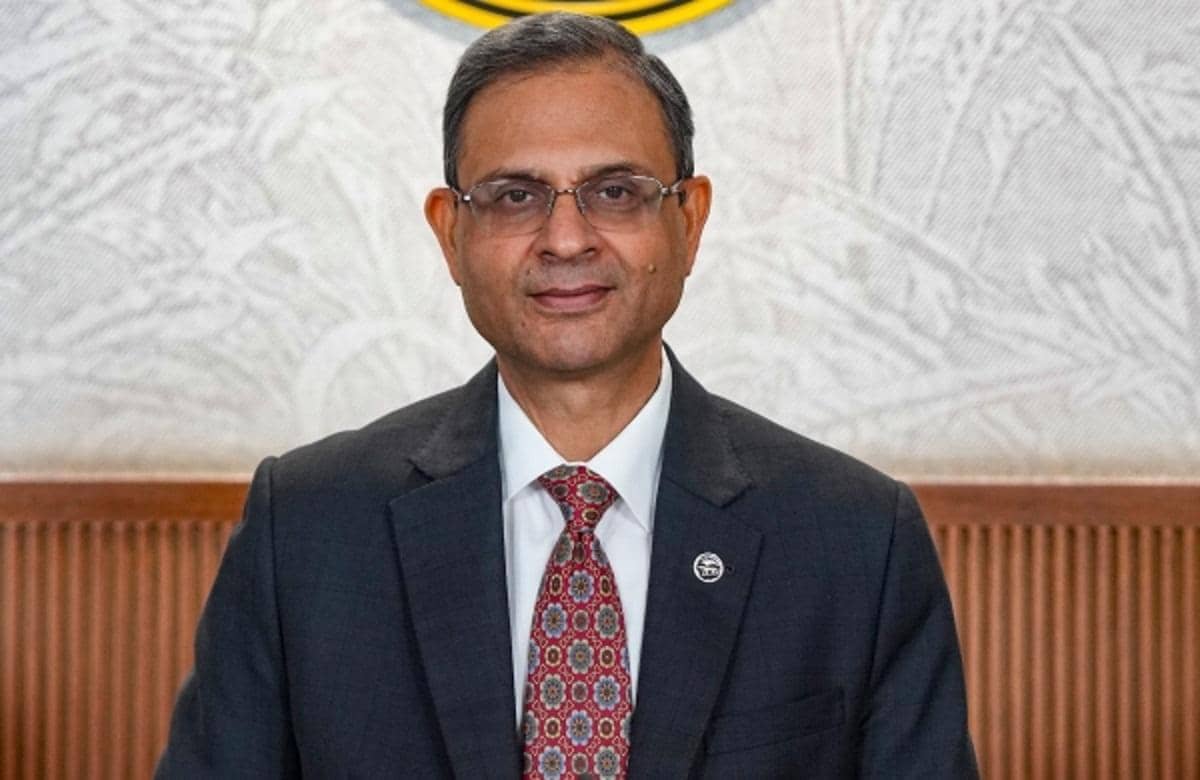


Reserve Bank of India Governor Sanjay Malhotra addressed the regulatory obligations of core investment companies (CICs) and non-banking financial companies (NBFCs) during the NDTV World Summit in New Delhi on Friday. He emphasized that entities accessing public funds, either directly or indirectly, must register with the RBI, and those categorized as upper-layer NBFCs are required to get listed on stock exchanges.




Malhotra avoided commenting on specific companies but highlighted systemic risk concerns associated with CICs and NBFCs that sit atop large corporate groups. "NBFCs and CICs, like for example Tata Sons and others, they are required to be registered with us because of the systemic risks," he said. He explained that such companies often leverage funds by utilizing the balance sheets of group companies, making regulation necessary to safeguard financial stability.
Addressing questions about upper-layer NBFCs, Malhotra clarified, "If it is an NBFC within our definition, classified as a CIC, and has access to funds either directly or indirectly, it must be registered. If it falls within the upper layer, it is also mandated to list on stock exchanges." He added that only CICs without any access to public funds are exempt from registration.
In 2022, the RBI designated Tata Sons as an upper-layer NBFC, giving the company a three-year deadline until 2025 to complete its public listing. Instead of listing, Tata Sons repaid its outstanding debts and applied to cancel its CIC registration. However, the RBI rejected this request last month and insisted that Tata Sons comply with regulatory requirements applicable to upper-layer NBFCs.
Meanwhile, Tata Trusts, the controlling entity behind Tata Sons, has proposed merging Tata Electronics Systems Solutions (TESS) and Tata Consulting Engineers (TCE) into the holding company. This restructuring aims to modify Tata Sons’ business profile so that it no longer meets the criteria for an NBFC or CIC classification. This proposal requires approval from Tata Sons’ board and a no-objection certificate from the RBI to proceed.
Shifting the focus to monetary policy, Governor Malhotra noted that the RBI typically does not use interest rate adjustments to manage financial stability risks, preferring targeted macroprudential tools instead. However, he did not entirely rule out the use of monetary policy in exceptional cases, stating that such decisions rest with the Monetary Policy Committee (MPC). "Generally, we do not use monetary policy for financial stability, but there can be times when it is used," he remarked.
Earlier this month, the MPC raised the policy repo rate by 25 basis points to 5.50 percent and adopted a stance described as "calibrated tightening." The committee’s decisions reflect ongoing efforts to balance inflation control with economic growth.
Governor Malhotra also highlighted increasing cybersecurity threats affecting the financial sector. Banks have reported incidents of data breaches with sensitive information appearing on dark web platforms. He stressed that these cybersecurity risks are significant and cannot be underestimated. Additionally, he raised concerns about the implications of artificial intelligence (AI) on financial stability, noting that emerging technologies may introduce new vulnerabilities.
Two major areas of concern include data security breaches and cyberattacks capable of disrupting or disabling financial systems. While the RBI maintains a comprehensive regulatory and supervisory framework to address these risks, Malhotra acknowledged that rapid technological changes can create unforeseen weaknesses.
Overall, the RBI governor’s comments underline the importance of robust oversight for financial entities that hold systemic importance, as well as vigilance against evolving technological threats. These measures aim to ensure that the financial system remains resilient amid changing market and technological dynamics.
What's Your Reaction?
 Like
0
 Dislike
0
 Love
0
 Funny
0
 Wow
0
 Sad
0
 Angry
0















Comments (0)