


IRDAI's Insurance Reforms May Affect NBFCs Like L&T Finance, Says Jefferies




The Insurance Regulatory and Development Authority of India (IRDAI) has introduced a consultation paper that could reshape the economics of insurance distribution in the country. The proposal suggests capping commissions paid by insurers to distributors based on effort, alongside stricter limits on insurers’ management expenses. This move has already unsettled insurance stocks, but recent analysis from Jefferies indicates that non-banking financial companies (NBFCs) may also face significant challenges.




IRDAI’s consultation paper, titled 'Recalibrating Economics of Insurance Distribution,' outlines plans to impose commission cuts ranging from 50 to 66 percent on various insurance products starting from the financial year 2028. The regulator has invited public feedback over the next month, signaling a possible overhaul in how insurance distribution revenues are structured.
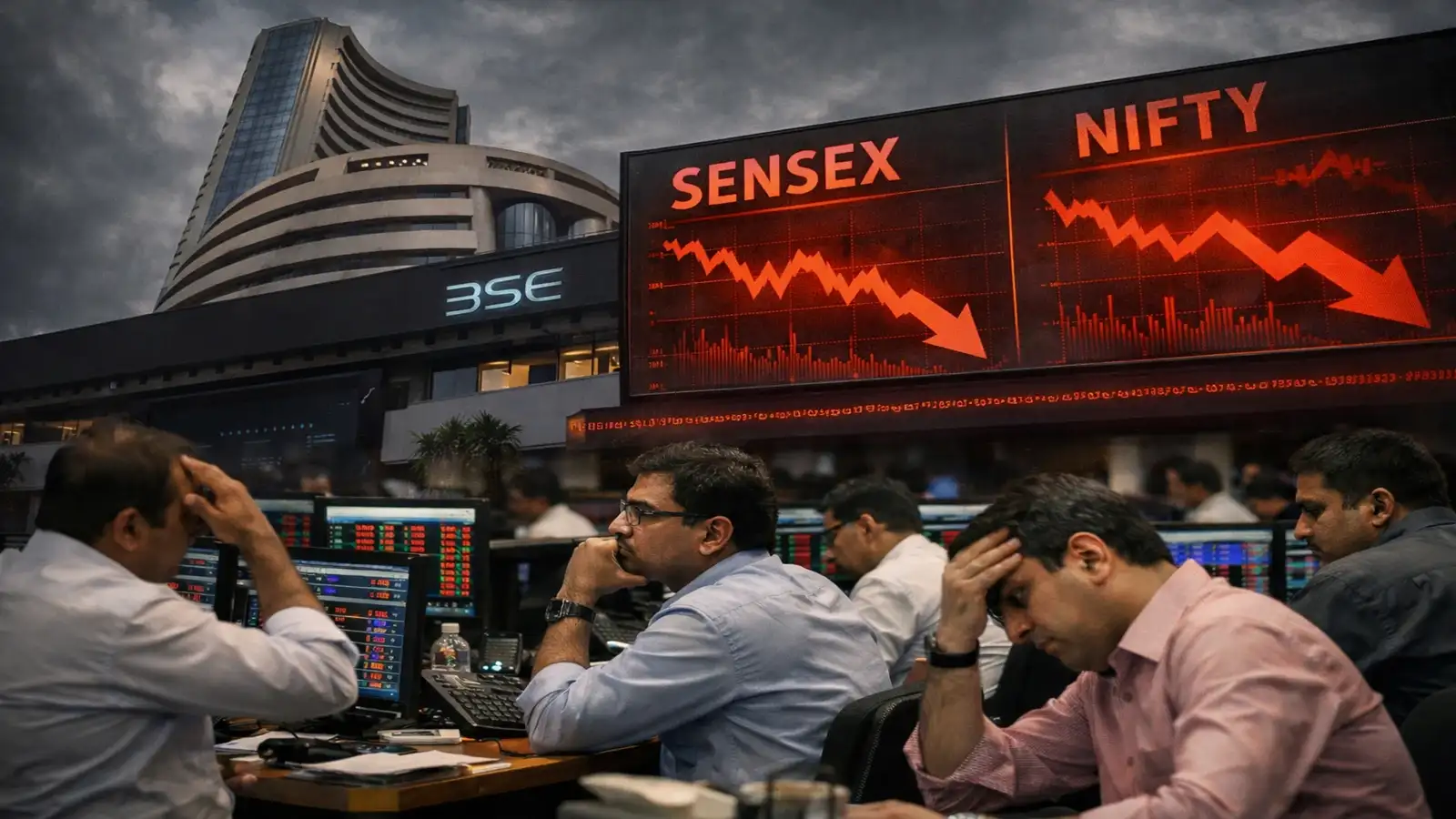
The immediate impact was visible in the stock market, where shares of insurance entities like PB Fintech, the parent company of Policybazaar, plunged by 34 percent. Investors reacted sharply to the potential erosion of commission-based income, reflecting concerns about profitability in the insurance distribution ecosystem.
Jefferies’ report highlights that NBFCs such as L&T Finance, Piramal Finance, and Cholamandalam Investment and Finance Company have a notable portion of their fee income tied to insurance commissions. If the proposed reforms take effect, these companies could see pressure on their profitability. In contrast, NBFCs like Shriram Finance appear to have lower exposure to insurance-linked fees based on the brokerage’s analysis of FY26 insurance commissions and FY27 profit estimates.
Data shared by Jefferies illustrates that several NBFCs, including HDB Financial Services, M&M Financial Services, Home First Finance Company, Bajaj Housing Finance, Poonawalla Fincorp, and IIFL Finance, reported insurance income constituting between 5 and 20 percent of their projected profit before tax for FY27. This suggests that the IRDAI reforms could have broader implications beyond the insurer and distributor segments, affecting the income streams of financial institutions involved in insurance brokerage and distribution.
Jefferies recently engaged with nine NBFCs and found that most reported strong loan disbursement growth and maintained resilient asset quality during the July-September quarter. The cost of funds has remained stable, although there is caution that any rate hikes by the Reserve Bank of India could push borrowing costs higher. Net interest margins are expected to stay relatively steady in the near term.
Despite the risks associated with the insurance reforms, Jefferies has maintained positive ratings on a range of NBFCs. The brokerage has issued 'Buy' recommendations on 11 companies with target prices suggesting potential upside of up to 48 percent. However, it has assigned 'Hold' ratings to entities including Mahindra Finance, LIC Housing Finance, Bajaj Housing Finance, SBI Cards, Muthoot Finance, Piramal Finance, and IIFL Finance, reflecting a cautious stance in light of evolving regulatory challenges.
NBFCs play an essential role in India's financial system, providing credit and financial services across sectors not fully served by traditional banks. Many have expanded their business models to include insurance distribution as a fee-based income source. Changes in commission structures could influence their revenue diversification strategies and overall financial health.
As the insurance regulator seeks to balance consumer protection with industry sustainability, stakeholders across the financial sector are closely monitoring these developments. The implications of IRDAI’s reforms will likely unfold over the coming months as public consultations conclude and regulatory directions become clearer.
Investors and market participants are advised to consider these regulatory shifts carefully when assessing the future prospects of NBFCs with insurance-linked income. The evolving landscape underscores the importance of diversified revenue streams and adaptation to regulatory changes in maintaining profitability.
What's Your Reaction?
 Like
0
 Dislike
0
 Love
0
 Funny
0
 Wow
0
 Sad
0
 Angry
0
















Comments (0)