


Zelenskyy Condemns Trump's Sanctions Waiver on Russia as Harmful

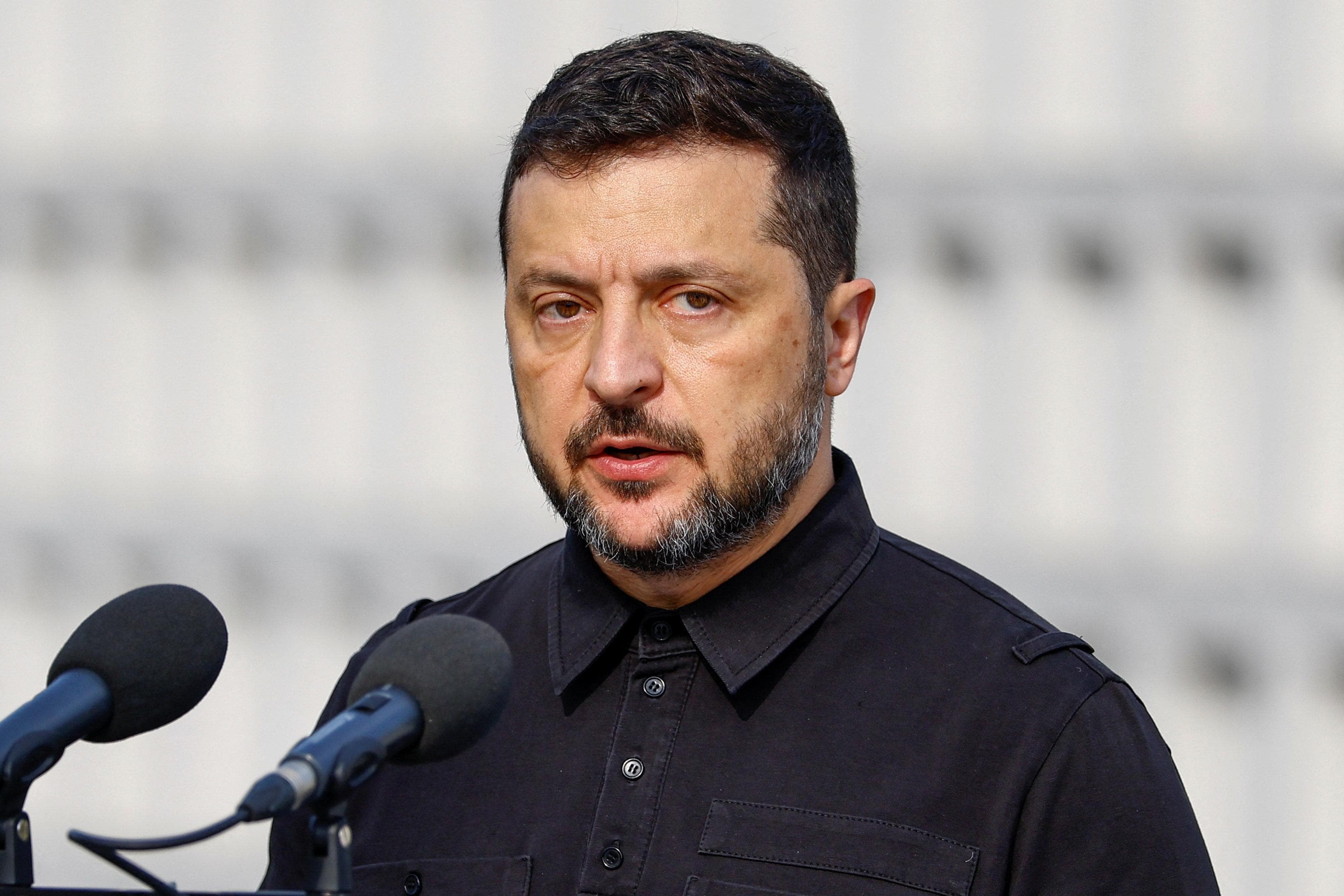


Ukrainian President Volodymyr Zelenskyy sharply criticized US President Donald Trump's recent move to waive sanctions and tariffs on Russian goods, describing the decision as misguided and detrimental to Ukraine's fight against Russian aggression.




The executive order signed by Trump late Friday reversed key provisions of the Lindsey O. Graham Sanctioning Russia and Iran Act of 2026, legislation passed last month to impose stringent tariffs and penalties on Russia’s oil, gas, and other imports. These measures, which were scheduled to come into effect next week, aimed to intensify economic pressure on Moscow following its 2022 invasion of Ukraine.
Trump justified the waiver by citing the national interests of the United States, signaling a shift toward a more conciliatory stance with Russia. This move comes amid Trump’s ongoing public criticism of Zelenskyy and calls for new leadership in Kyiv, raising concerns among supporters of Ukraine’s sovereignty.
In a message posted on X (formerly Twitter), Zelenskyy expressed his strong disapproval, stating that reversing the sanctions “definitely helps only the Russians.” He emphasized that the waiver emboldens Russian President Vladimir Putin, fueling Moscow’s willingness to continue military attacks on Ukrainian territory.
Highlighting the recent violence, Zelenskyy noted that Russian forces struck over 15 Ukrainian power generation and transmission facilities on Friday, deepening the humanitarian and infrastructure crisis. He warned of potential escalations in western Ukraine, signaling Moscow’s intent to intensify strikes.
From Moscow, Kirill Dmitriev, Russia’s investment envoy, hailed the waiver as a “truly historic moment,” asserting that had the sanctions taken effect, they would have severely disrupted all economic cooperation between the US and Russia.
The move also has implications for the US domestic political landscape, coming just weeks before the midterm elections. Analysts have suggested that the sanctions could have contributed to rising oil prices, a sensitive issue for American consumers already grappling with inflation partly attributed to geopolitical tensions in the Middle East.
The Graham Act, named after the late Senator Lindsey Graham of South Carolina, was backed by bipartisan support and intended to penalize not only Russia but also countries that facilitate Moscow’s evasion of sanctions. It authorized tariffs of up to 100% on goods imported into the US from top purchasers of Russian crude oil and gas, effective 30 days after enactment.
Following Senator Graham’s death in July, his sister Darline Graham was appointed to fill his Senate seat. While she refrained from directly criticizing Trump’s waiver during a recent campaign event, she expressed personal disagreement with the decision, affirming a commitment to maintaining pressure on Russia due to mistrust of Putin’s regime.
International reactions have varied. China and India, significant buyers of Russian oil, voiced concerns about the Graham Act’s extraterritorial reach. Beijing condemned the legislation for infringing on international law, and India warned that the tariffs could harm bilateral relations with the US.
The legislation includes a provision allowing the president to waive sanctions if it is determined that enforcement would not align with national interests. Trump’s executive order states that the waiver will remain until further notice by his administration.
Democratic Congressman Don Beyer of Virginia condemned the waiver, accusing Trump of capitulating to Putin and undermining congressional intent designed to penalize Russia’s illegal invasion of Ukraine.
Zelenskyy lamented the loss of Senator Graham, who was a vocal supporter of US aid to Ukraine and whose name carried symbolic weight in maintaining bipartisan unity on sanctions. The Ukrainian leader predicted additional sanctions relief and agreements favoring Russia could follow, expressing concern over the ramifications for Ukraine’s defense efforts.
As the conflict continues, the dispute over US sanctions policy highlights the complex balancing act between geopolitical strategy, domestic politics, and the ongoing humanitarian crisis in Ukraine.
What's Your Reaction?
 Like
0
 Dislike
0
 Love
0
 Funny
0
 Wow
0
 Sad
0
 Angry
0

















Comments (0)