


Nilesh Shah Highlights Public Markets as Key Post-Bubble Investment Avenue

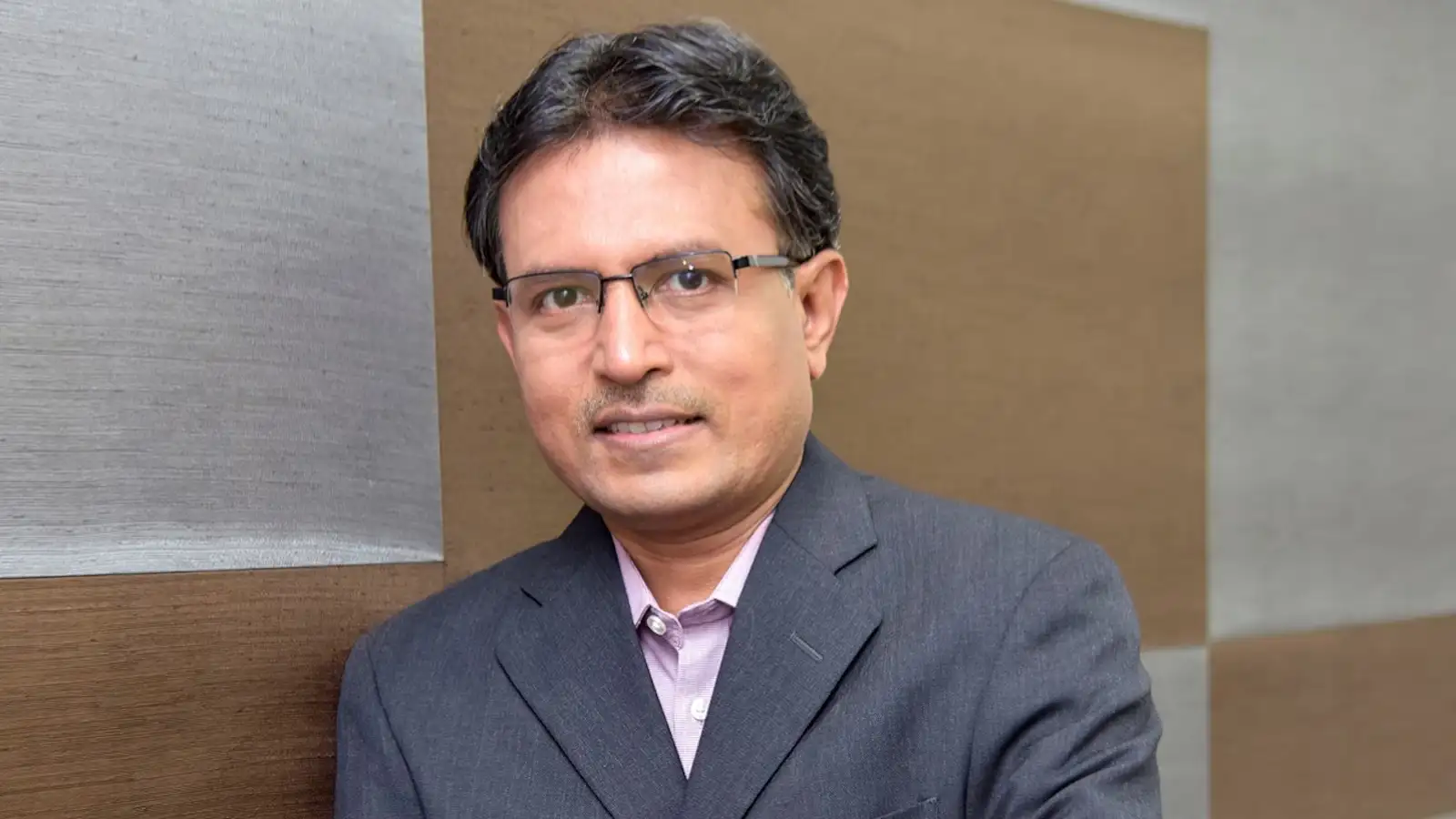


In the wake of asset bubbles bursting, investors often face uncertainty about where to direct their funds. Nilesh Shah, Managing Director of Kotak Mahindra Asset Management Company (AMC), recently argued that public markets present attractive opportunities during such periods due to the emergence of distressed valuations. His views were shared during the third edition of Kotak Private’s 'Take and Counter Take' series, where he engaged in a debate with Renuka Ramnath, Founder, MD, and CEO of Multiples Alternate Asset Management, exploring the best investment approaches following a market bubble collapse.




Shah firmly stated that the public market holds advantages post-asset bubble, asserting, “Post asset bubble, it makes sense to be in the public market.” His perspective centers on the idea that when public market investors sell assets at lower prices during downturns, new opportunities arise for buyers willing to capitalize on these reduced valuations.
The conversation also delved into the differing roles and benefits of public versus private markets in such scenarios. Ramnath highlighted the control private-market investors have over their portfolio companies, especially during a downturn. She noted that private investors often participate actively in governance, holding board positions and influencing key decisions.
“In an asset bubble crash, it could be better to be in private market because you are in control, you know what you're holding and you're not nervous,” Ramnath explained. She added that private equity investors can direct how cash is allocated, deciding whether to accelerate, postpone, or halt initiatives. This direct involvement contrasts with public market investors, who generally lack the ability to influence corporate strategy since they do not sit on company boards.
Shah responded by suggesting that the gap between public and private investing is narrowing. Active public-market managers are increasingly engaging with companies on governance and strategic matters. He cited a recent example where Kotak AMC intervened in the acquisition plans of a listed IT company, advising against a debt-heavy buyout to mitigate risk. This guidance reportedly preserved shareholder value and was followed by a rebound in the company’s stock price.
Another point raised by Shah concerns the behavior of private-company promoters during crises. He observed that such promoters tend to avoid selling their companies at discounted prices, unlike public market investors who may liquidate holdings even at lower valuations to raise cash. “I haven't yet met a promoter who will come and sell his company cheap. But I can show you hundreds of investors who have sold their portfolio cheap,” he noted.
The debate also addressed the inherent risks and challenges of private equity investing. Ramnath remarked on the higher risk premium associated with private equity, including fees and illiquidity. She emphasized that returns often depend on how managers handle unforeseen shocks within portfolio companies, whether stemming from internal issues or broader economic factors.
“Almost in every investment, you will face a blow that you could not have planned for,” Ramnath said. She stressed that the ability of private equity managers to steer companies through difficult periods is crucial to generating returns.
Despite their differing views on the post-bubble investment landscape, both Shah and Ramnath agreed that investors need not choose exclusively between public or private markets. The discussion, moderated by CNBC-TV18’s Nigel D’Souza, focused on how high-net-worth individuals can construct diversified portfolios that integrate both asset categories.
Oisharya Das, CEO of Kotak Private Banking, added that the expansion of private markets has broadened investment options for India’s growing wealth base, making portfolio allocation decisions more complex. “As India’s wealth creators navigate a broader and more evolved landscape, both public and private markets may offer investment opportunities,” she said. Das advised investors to consider their family goals, risk tolerance, and liquidity needs when blending these markets into their portfolios.
For those transitioning from an all-public equity portfolio, Ramnath recommended a gradual increase in exposure to private markets. Over five to seven years, she suggested that an investor previously allocating 100% of equity exposure to public markets could gradually shift up to 30% into private equity.
Kotak Private’s 'Take and Counter Take' initiative serves as a platform for exploring emerging trends in the economy, policy, and markets through contrasting perspectives. The dialogue between Shah and Ramnath offered valuable insights for investors contemplating strategies after market bubbles burst.
Disclaimer: The opinions expressed in this article reflect those of the speakers and do not represent the views of Kotak Mahindra Bank. The author, Kumar Gaurav, is not a SEBI-registered Research Analyst or Investment Adviser and holds no financial interest in the mentioned companies. Readers should conduct their own due diligence before making investment decisions.
What's Your Reaction?
 Like
0
 Dislike
0
 Love
0
 Funny
0
 Wow
0
 Sad
0
 Angry
0


















Comments (0)