


Uttar Pradesh Textile and Garmenting Policy 2022: Key Incentives & Benefits

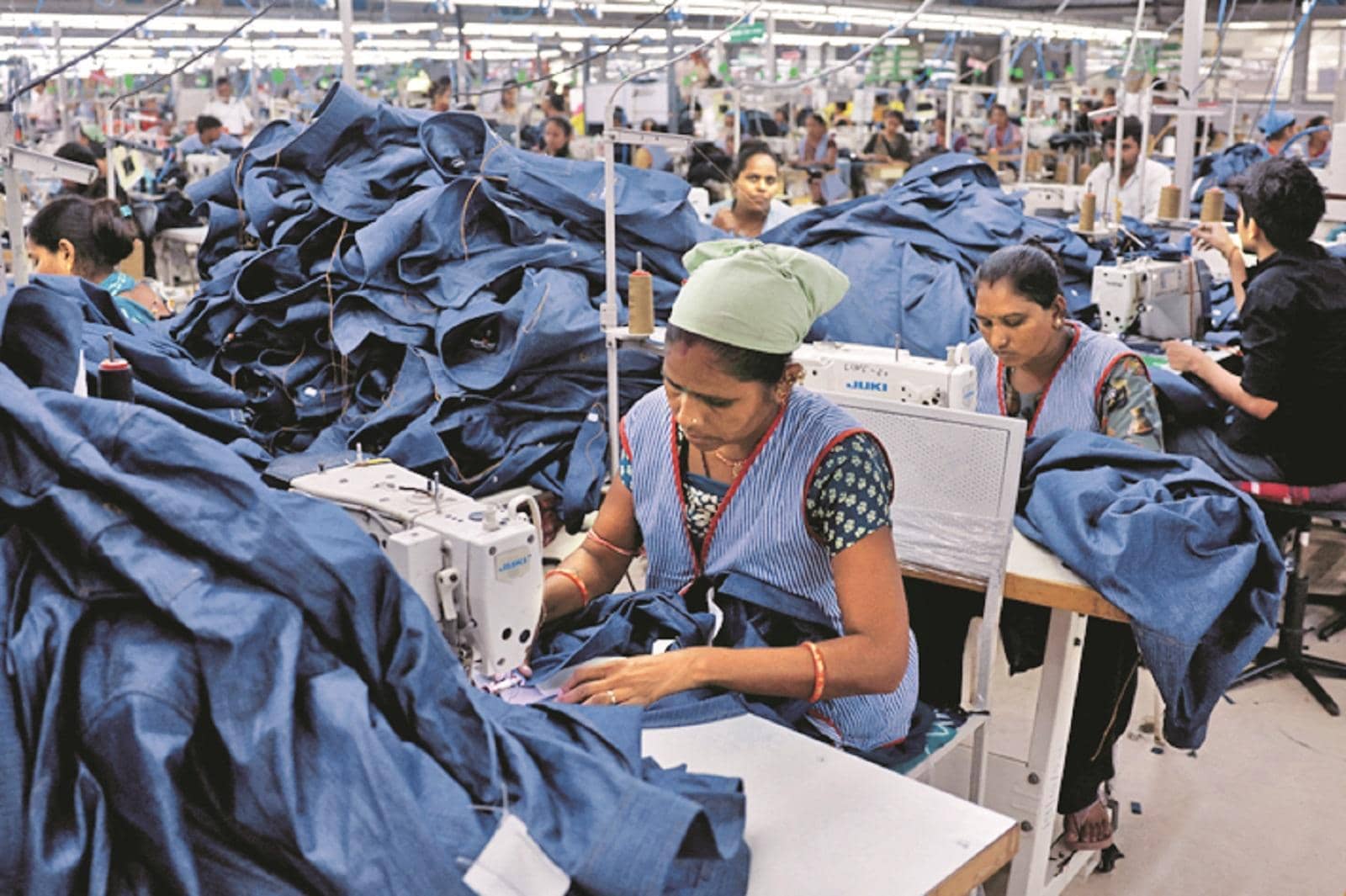


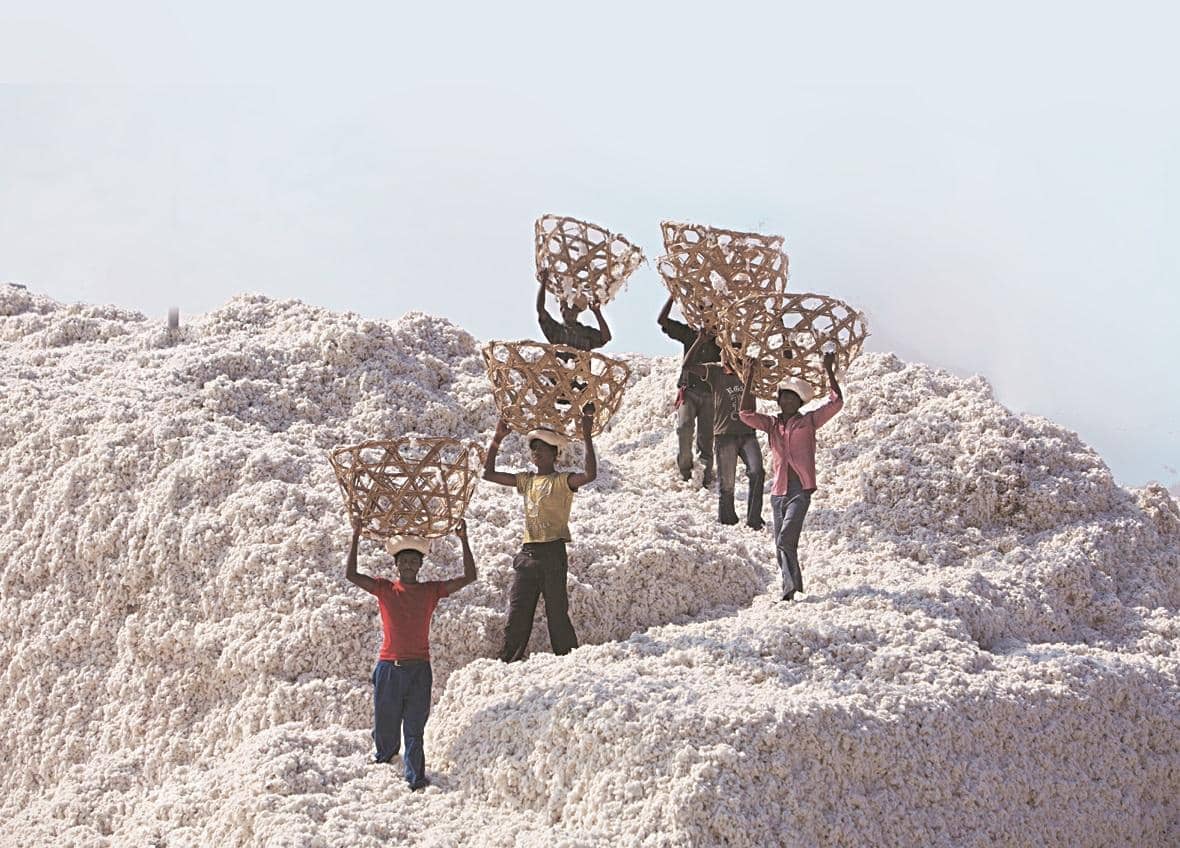
On October 17, 2022, Uttar Pradesh officially launched its Textile and Garmenting Policy 2022, administered by the Department of Handloom and Textiles. This policy aims to stimulate investment in the state’s textile sector by offering a range of financial incentives and infrastructure support targeting textile and garment manufacturing units, handloom and powerloom enterprises, sericulture operations, and textile parks.




The policy replaces the earlier 2017 framework and covers the entire textile value chain. It supports activities such as spinning, weaving, knitting, processing, garment manufacturing, technical textiles, and related infrastructure like testing labs and effluent treatment plants. The objective is to modernize and expand Uttar Pradesh’s traditional textile base, which includes a significant population of handloom and powerloom workers—nearly 1.99 lakh handloom and 5 lakh powerloom weavers according to official estimates.
Capital Subsidies and Financial Incentives
One of the main draws is the capital subsidy, which covers up to 25% of eligible investment in plant and machinery. Projects in Bundelkhand and Purvanchal regions are eligible for an additional 10%, potentially reaching 35%. The maximum subsidy per unit is capped at Rs 100 crore. These subsidies are linked not only to investment levels but also to employment generation, with specific minimum job creation thresholds varying by investment amount.
For example, projects investing up to Rs 10 crore need to create at least 50 jobs to qualify for the full 25% subsidy, while larger investments require higher employment numbers. The policy also offers interest subsidies, reimbursing 60% of annual interest on loans for plant and machinery over seven years, subject to regional limits (Rs 1.5 crore outside Gautam Buddha Nagar and Rs 75 lakh within).
Land and Stamp Duty Benefits
Textile and garmenting units acquiring land directly from state agencies can receive a subsidy of 25% of the eligible land cost, with a cap at 10% of the total project cost. However, commercial production must commence within five years of land purchase for eligibility. The policy also provides stamp duty exemptions—100% outside Gautam Buddha Nagar and 75% within it—and extends these benefits to infrastructure projects such as warehouses and effluent treatment plants.
Electricity and Worker Housing Support
New units benefit from a 10-year exemption on electricity duty, including power generated from captive plants used by the textile units. The policy also recognizes the need for worker accommodations near large manufacturing sites. It offers a 25% subsidy on building staff quarters, hostels, and dormitories with a maximum assistance of Rs 5 crore, provided these facilities are linked directly to textile projects.
Infrastructure Development and Textile Parks
Supporting common infrastructure is a key feature. The policy encourages the development of textile and apparel parks with at least 25 acres, equipped with plug-and-play facilities and common effluent treatment plants. The state has plans to develop five new textile parks through private or public-private partnerships, aiming to foster cluster development and improve competitiveness.
Why This Policy Matters
Uttar Pradesh has a longstanding textile tradition, with numerous centers producing silk, carpets, garments, and home furnishings. The new policy intends to elevate the state as a major textile manufacturing hub by attracting fresh investment, enhancing technology adoption, and boosting exports. It also targets regional development in less industrialized areas such as Bundelkhand and Purvanchal.
The policy is selective, focusing on manufacturing, processing, and infrastructure rather than retail or fashion design businesses. Eligibility hinges on project approval under defined textile-related activities, ensuring support aligns with industrial growth goals.
By combining capital and interest subsidies, land and electricity benefits, and infrastructure support, the Uttar Pradesh Textile and Garmenting Policy 2022 seeks to strengthen the sector’s ecosystem and generate significant employment opportunities. This comprehensive approach reflects a broader trend among Indian states to bolster their textile industries amid global competition and growing domestic demand.
What's Your Reaction?
 Like
0
 Dislike
0
 Love
0
 Funny
0
 Wow
0
 Sad
0
 Angry
0













Comments (0)