


Richmond Fed’s Barkin Highlights US Economic Strength Amid Inflation Concerns

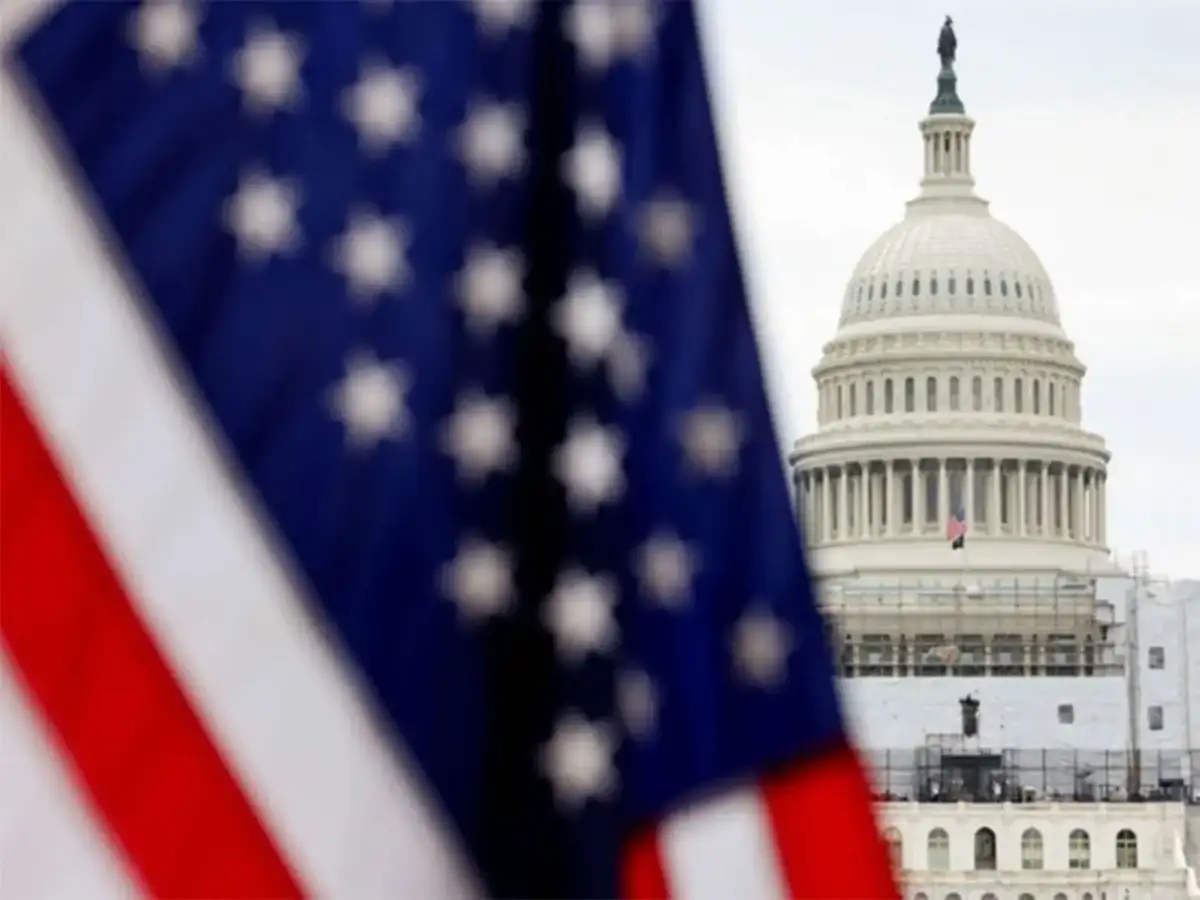


The United States economy shows signs of strengthening, supported by steady consumer spending and growth spreading beyond the technology sector, according to Richmond Federal Reserve President Tom Barkin. Speaking on Tuesday, Barkin emphasized that inflation remains the central challenge facing policymakers, outweighing concerns about labor market softness.




Last week, the Federal Reserve increased interest rates by a quarter percentage point, moving the target range to 3.75% to 4.00%. This adjustment aims to curb rising inflationary pressures, which Barkin described as being driven increasingly by strong demand across various parts of the economy rather than solely by supply constraints such as energy costs or tariffs.
"Inflation currently presents a more significant risk than labor market weakness," Barkin said, highlighting that the recent rate hike is intended to help bring inflation back down to the Fed's 2% target. While he did not commit to further increases, he acknowledged that additional hikes might be necessary depending on economic developments.
Barkin's remarks reflect a broader concern among Federal Reserve officials about the persistence of price pressures in the economy. He noted that some inflationary shocks, initially expected to be temporary, have lasted longer than anticipated, contributing to sustained price increases.
One key measure of inflation, the Personal Consumption Expenditures (PCE) Price Index, is reportedly rising at an annual rate exceeding 3%, signaling continued inflationary momentum. Barkin pointed out that this trend is not limited to sectors traditionally vulnerable to geopolitical tensions or trade disruptions. Instead, robust activity is evident across other areas such as defense and manufacturing.
"I am hearing momentum outside of data centers, too. The defense sector is hot. Manufacturing contacts are starting to sound more upbeat. Bankers tell us pipelines are healthy," Barkin added, suggesting a broad-based economic expansion.
The recent Fed rate increase follows a period of gradual tightening aimed at balancing the need to control inflation without undermining economic growth. Investors are closely watching inflation data and Federal Reserve communications for clues about the pace and extent of future policy adjustments.
Consumer spending remains a critical component of US economic stability. Despite challenges, households continue to support demand, which in turn sustains business activity beyond the artificial intelligence-driven tech boom. This diversification of growth sources is a positive sign for the economy's resilience.
The Federal Reserve's approach to managing inflation involves careful monitoring of economic indicators and readiness to act as conditions evolve. Barkin's comments underscore the complexity of the current economic environment, where supply-side factors coexist with strong demand, making inflation control a nuanced task.
Overall, the US economy is navigating a path marked by steady growth and persistent inflation risks. The Fed's recent interest rate hike is part of an ongoing effort to stabilize prices while maintaining economic momentum. Observers will continue to assess how these dynamics unfold in the coming months amid global uncertainties and domestic economic shifts.
What's Your Reaction?
 Like
0
 Dislike
0
 Love
0
 Funny
0
 Wow
0
 Sad
0
 Angry
0















Comments (0)