


Uttar Pradesh Warehousing and Logistics Policy 2022: Incentives & Eligibility

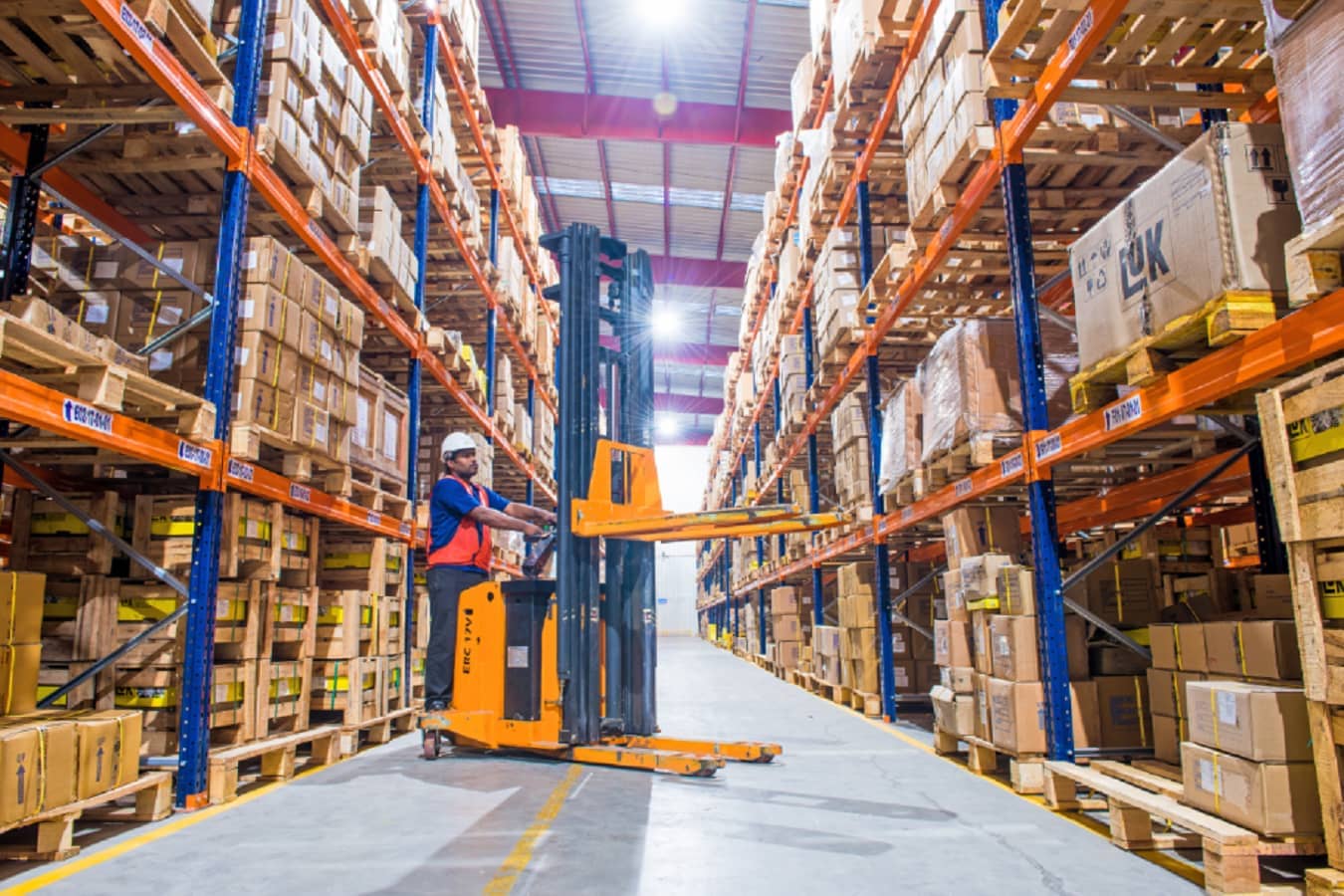


In December 2022, the Uttar Pradesh government introduced the Warehousing and Logistics Policy to strengthen the state's freight and storage infrastructure. Administered by the Infrastructure and Industrial Development Department and overseen by the Uttar Pradesh State Industrial Development Authority, this policy will guide developments over the next five years unless amended earlier.




The policy replaces the earlier 2018 framework and focuses on supporting diverse facilities including warehouses, silos, cold-chain units, logistics parks, truck terminals, dry ports, cargo terminals, inland waterways berthing terminals, and vessels. It is distinct from the 2024 Multi-Modal Logistics Park Policy, which targets larger integrated projects with investments above Rs 1,000 crore.
Uttar Pradesh, a large landlocked state with significant agricultural output, manufacturing, and consumer markets, faces logistical challenges due to its distance from ports and key markets. The policy aims to reduce transport costs, minimize product losses, and speed up freight movement by building an integrated logistics ecosystem aligned with the National Logistics Policy, 2022.
The objectives include expanding modern warehousing and cold-chain storage, promoting logistics parks and dry ports, improving cargo handling across transport modes, encouraging private investment and public-private partnerships, and developing truck parking and driver facilities. Additionally, the policy promotes technology adoption, quality certifications, and skill development in the sector.
Various project categories qualify for support based on minimum investment thresholds. For instance, warehouses require a minimum investment of Rs 20 crore, silos Rs 30 crore, cold-chain facilities Rs 15 crore, and inland container depots Rs 50 crore. Cargo terminals and berthing terminals have specified criteria, with some needing approval under central government schemes.
The policy also designates specific logistics zones near major freight corridors such as the Eastern and Western Dedicated Freight Corridors, expressways, and the Noida International Airport area. Projects within these zones are eligible for higher subsidy ceilings but must be located within officially notified zones to qualify.
Financial incentives include capital subsidies ranging from 15 to 25 percent of eligible capital investments, depending on the project type and location. For example, warehouses, silos, and cold-chain facilities can receive up to Rs 5 crore outside designated zones and Rs 10 crore within them. Dry ports and logistics parks may get subsidies up to Rs 25 crore outside and Rs 50 crore inside these zones. Cargo and berthing terminals are eligible for up to Rs 15 crore in capital assistance. Inland vessel purchases also qualify for a subsidy of 25 percent of the cost, capped at Rs 5 crore per vessel, limited to the first 50 vessels meeting minimum capacity and regulatory standards.
The policy offers several front-end concessions to ease project setup. Stamp-duty exemptions vary by region and project type, ranging from 50 to 100 percent relief in designated areas. Additionally, eligible projects receive a 75 percent concession on land-use conversion charges and development fees. Ground coverage for eligible projects is allowed up to 60 percent, subject to safety and planning rules.
Operating-stage benefits include a 10-year full exemption from electricity duty, though standard tariffs and charges apply. Storage facilities may also claim reimbursement for quality certification expenses up to Rs 5 lakh. Skill development initiatives are supported, with details provided in the implementation guidelines.
Eligible logistics projects enjoy industrial status for land use, which can facilitate access to industrial floor area ratios and land rates where applicable. This designation helps integrate logistics infrastructure within industrial development zones.
Overall, the Uttar Pradesh Warehousing and Logistics Policy 2022 aims to foster private sector investment, improve supply chains for agriculture, manufacturing, retail, and exports, and enhance the state’s ranking in national logistics performance. While the policy sets ambitious goals, actual outcomes will depend on project execution and further government support.
What's Your Reaction?
 Like
0
 Dislike
0
 Love
0
 Funny
0
 Wow
0
 Sad
0
 Angry
0














Comments (0)