


Indian Newsprint Makers Appeal to PM Modi Over Coal Supply Crisis

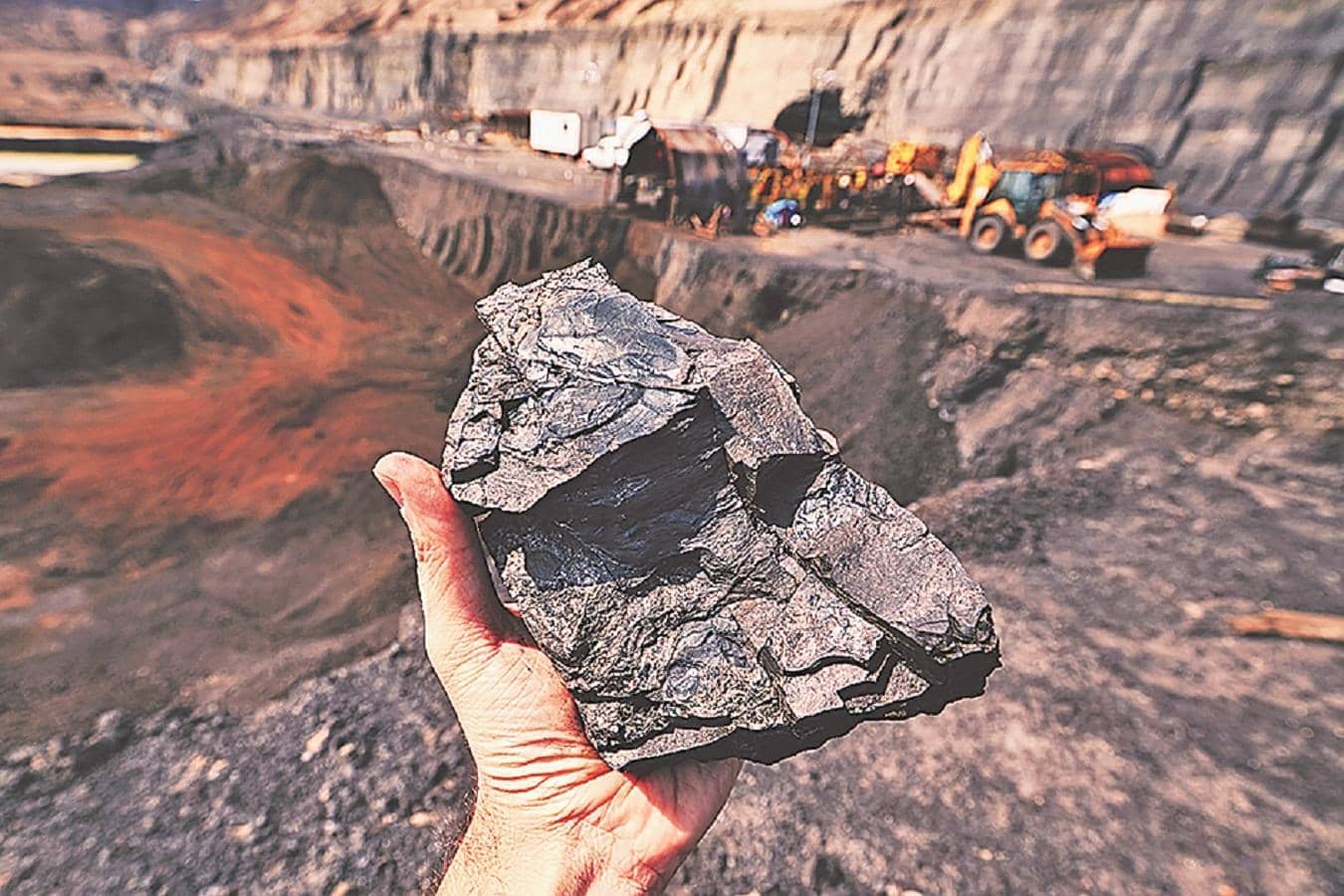


The Indian Newsprint Manufacturers Association (INMA), based in Delhi, has formally appealed to Prime Minister Narendra Modi for urgent intervention to address persistent coal supply challenges faced by its member companies. These manufacturers provide newsprint to prominent Indian newspapers, including The Times of India, Hindustan Times, The Hindu, Navbharat Times, and Punjab Kesari.




In a letter to the Prime Minister, INMA highlighted the critical difficulties its members encounter in obtaining timely coal deliveries under Fuel Supply Agreements (FSAs) signed with subsidiaries of Coal India Limited (CIL). The subsidiaries involved include Northern Coalfields (NCL), Central Coalfields (CCL), South Eastern Coalfields (SECL), and Western Coalfields (WCL).
These FSAs outline coal supply commitments through rail and road transport, with INMA members agreeing to pay premium prices to ensure consistent access to this vital raw material. Despite these contracts, INMA reports ongoing operational disruptions caused by irregular coal dispatches and insufficient supply volumes.
"Despite valid long-term agreements and payment of premiums for assured coal, our members are not receiving their scheduled coal rakes," the association stated. This shortfall has forced many manufacturers to resort to purchasing coal at inflated prices on the open market and to depend on costly grid electricity to maintain plant operations.
INMA warned that the coal shortage has hampered the ability of member factories to run at full capacity. This reduction in production threatens the steady availability of newsprint in the domestic market, an essential commodity for India’s print media sector. Any continued disruption could delay or reduce newsprint supplies to newspapers nationwide.
The association also emphasized problems stemming from erratic coal rake dispatches to non-regulated sector (NRS) consumers. Delays followed by the release of multiple coal rakes in quick succession have created logistical challenges. These include issues with working capital management, coal handling, storage limitations, and transport coordination.
INMA additionally urged implementation of a coal allocation guideline recommended by the Cabinet Committee on Economic Affairs (CCEA), which advises a 75:25 distribution ratio between power and non-power sectors. The current situation, where over 95 percent of coal is allocated to power plants, leaves industries like newsprint manufacturing at a disadvantage.
The letter stressed that a balanced, predictable coal supply framework is crucial for sustaining coal-dependent industries, preserving domestic manufacturing capacity, and stabilizing supply chains for key industrial goods.
"We request your intervention to reassess the coal allocation and dispatch system and to enforce the CCEA-recommended 75:25 ratio consistent with government policy," INMA stated. The association called for the Prime Minister’s personal involvement and clear directives to relevant authorities to resolve these long-standing supply issues promptly.
Addressing these concerns is expected to ease production bottlenecks faced by newsprint manufacturers and secure the uninterrupted supply of newsprint vital for India’s print media landscape. The crisis also reflects broader challenges within the coal sector, where balancing the demands of power generation and industrial users remains a complex issue.
Coal India Limited, the nation’s largest coal producer, plays a central role in supplying coal to various sectors. Efficient coal distribution is essential to maintain industrial productivity and economic stability, especially amid increasing energy demands and ongoing infrastructure constraints.
As newsprint remains a key material for information dissemination in India, ensuring stable coal supplies to its manufacturers is a matter of both industrial and media sector interest. INMA’s appeal to the Prime Minister underscores the urgency for coordinated government action to prevent further disruption in this critical supply chain.
What's Your Reaction?
 Like
0
 Dislike
0
 Love
0
 Funny
0
 Wow
0
 Sad
0
 Angry
0
















Comments (0)