


India-New Zealand Free Trade Agreement to Boost Bilateral Trade

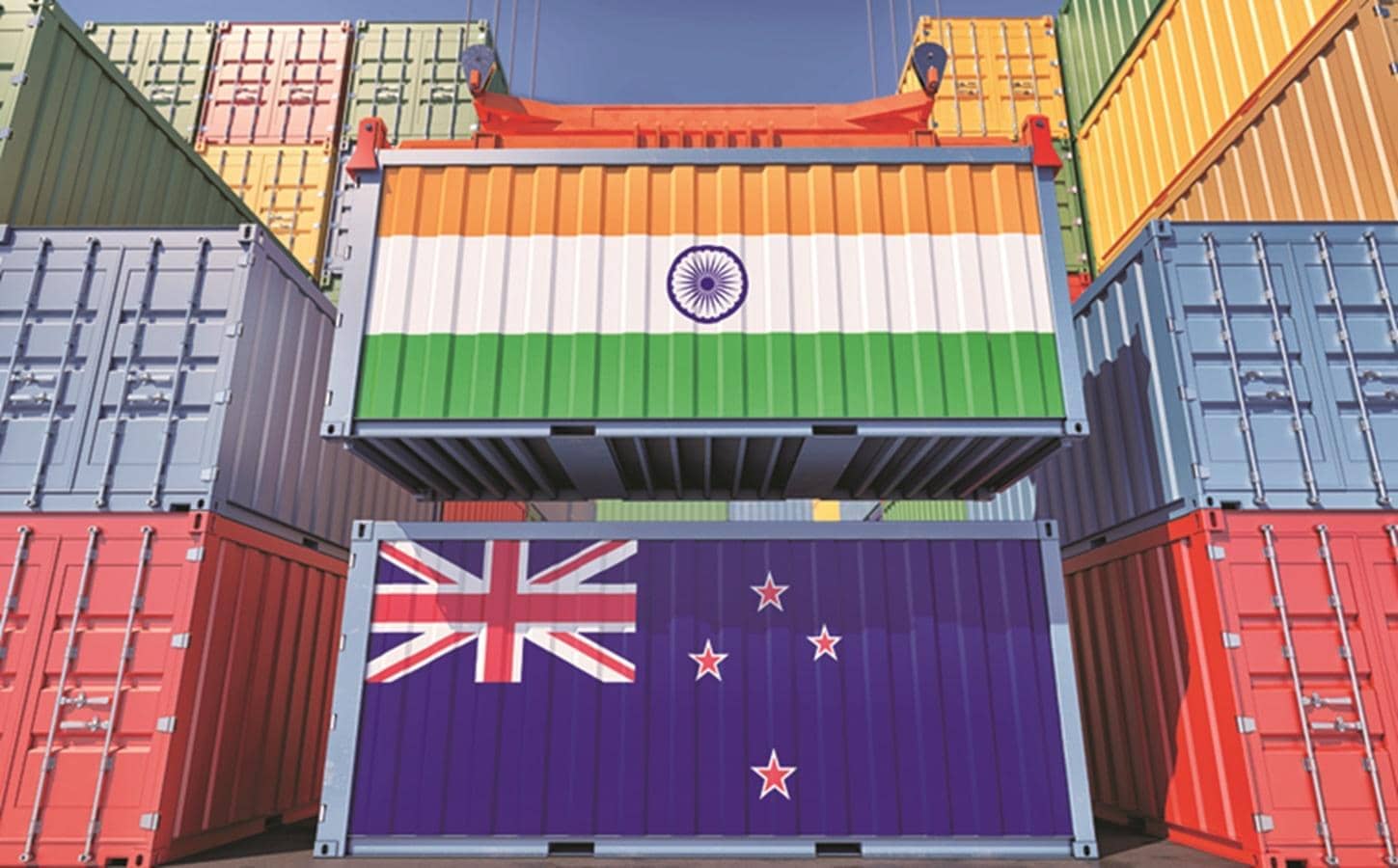


India and New Zealand are set to activate their free trade agreement (FTA) on Tuesday, marking a significant step to enhance economic ties and support India's broader trade diversification objectives amid global geopolitical challenges. This pact is India’s second trade agreement in the Oceania region, following its deal with Australia.




Trade volumes between India and New Zealand have remained relatively modest, hovering around $1.2 billion annually. However, the new agreement introduces tariff reductions and duty-free access designed to broaden the range of goods exchanged and stimulate growth. Both countries have set an ambitious target to double their bilateral trade by 2030.
Negotiations for the FTA began in March 2025 and concluded swiftly by December, making it one of India's quickest finalized trade deals. The formal signing occurred in April of this year. The agreement grants India duty-free entry for exports covering 100 percent of tariff lines, reflecting full coverage of export value to New Zealand.
New Zealand’s commitments include immediate zero-duty access for several key Indian export sectors. These sectors include pharmaceuticals, marine products, textiles, chemicals, leather goods, footwear, gems and jewellery, and electronic products. Additionally, New Zealand has pledged to phase out tariffs on engineering goods, plastic items, and agricultural products.
This move comes at a time when India’s exports to New Zealand have experienced a decline, falling nearly 3 percent year-over-year to $192.53 million during April to July, as per the Department of Commerce’s latest data. The FTA aims to reverse this downward trend and create new opportunities for Indian exporters.
Investment is also a major component of the agreement. New Zealand has committed to investing $20 billion in India over a 15-year period, signaling confidence in India’s market and economic growth potential.
On the other side, India has offered duty concessions on 70 percent of tariff lines, representing 95 percent of New Zealand’s exports to India. However, India has reserved certain sensitive sectors from tariff liberalization to protect domestic industries. Excluded items include gems and jewellery, copper articles, dairy products, vegetables, sugar, and artificial honey.
India has also introduced conditional tariff-rate quotas (TRQs) for select New Zealand products such as Manuka honey, wine, kiwi fruit, and milk albumin. These TRQs set quantity limits with reduced tariffs, balancing market access with domestic industry safeguards.
On Saturday, India’s Ministry of Finance released the first set of tariff concessions for New Zealand goods under the FTA. Effective from Tuesday, the preferential rates cover products like wine, Manuka honey, kiwi fruit, and sheep meat.
According to the notification, kiwi shipments priced at or above $2.50 per kilogram will face a basic customs duty of 15 percent. Milk albumin has a TRQ of 200 metric tonnes with a lowered in-quota duty rate of 10 percent. Manuka honey valued at $30 per kilogram or more will be subject to a concessional basic customs duty of 51 percent, contingent on certification from New Zealand’s Ministry for Primary Industries. The TRQ for eligible Manuka honey consignments is capped at 40 metric tonnes.
This trade agreement is part of India’s larger strategy to diversify its trade partners and reduce reliance on traditional markets amid uncertain geopolitical conditions. By expanding ties with countries in the Oceania region, India looks to secure new markets and strengthen economic resilience.
New Zealand, known for its strong agricultural and dairy sectors, stands to benefit from better access to India’s large consumer base. Meanwhile, Indian exporters gain opportunities to increase shipments of pharmaceuticals, textiles, and other manufactured goods. The investment component further enhances bilateral cooperation and potential joint ventures.
As the FTA enters into force, both governments will monitor progress closely to ensure the targets are met and to identify areas for further collaboration. This development reflects growing economic engagement between two countries eager to capitalize on complementary strengths and mutual interests in trade and investment.
What's Your Reaction?
 Like
0
 Dislike
0
 Love
0
 Funny
0
 Wow
0
 Sad
0
 Angry
0















Comments (0)