


Fairfax’s IDBI Bank Acquisition Raises Questions About CSB Bank Stake

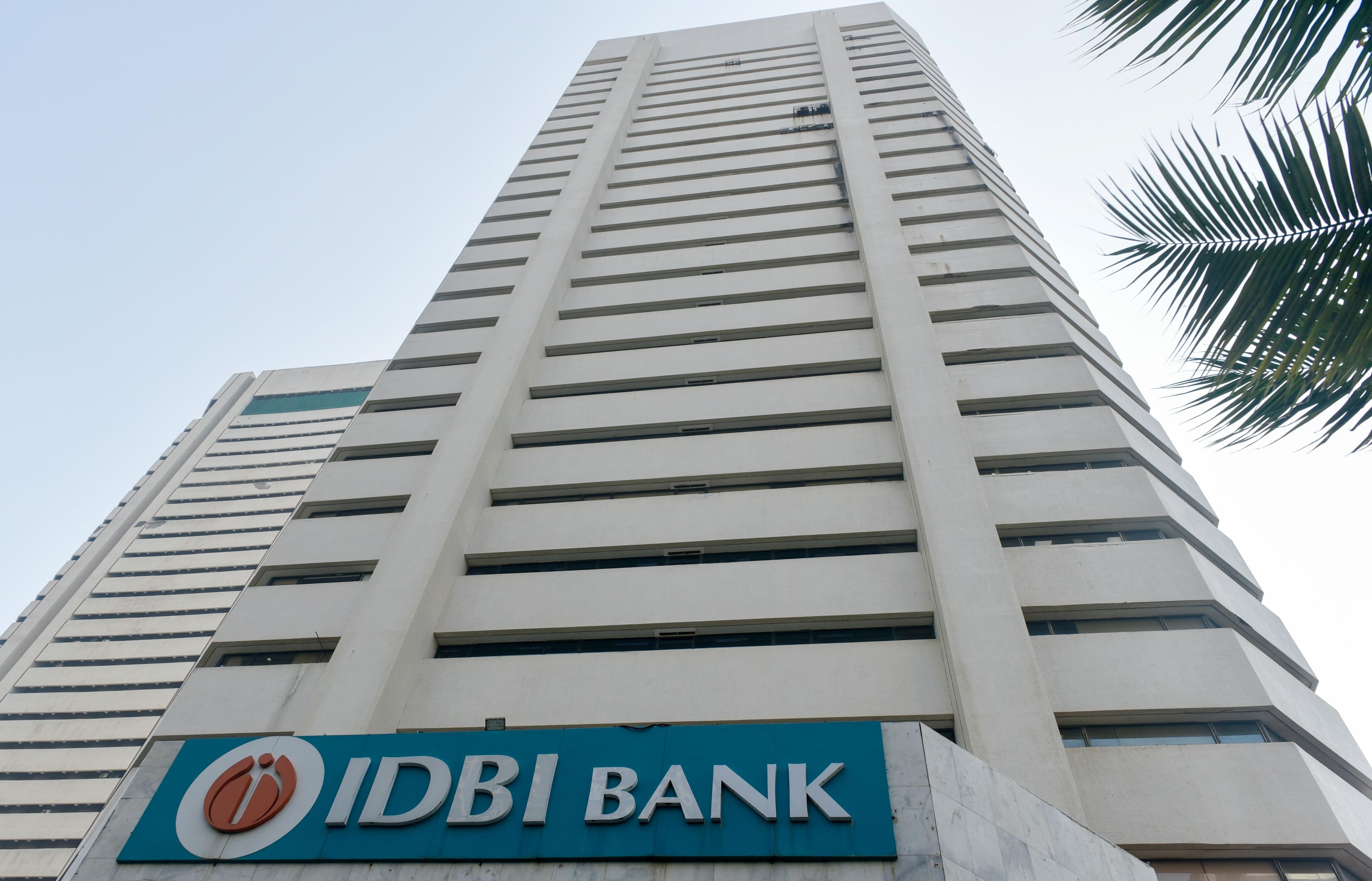


Fairfax Financial Holdings, led by Canadian billionaire Prem Watsa, is poised to acquire close to 61 percent of IDBI Bank for ₹52,878 crore (approximately $5.6 billion). This significant transaction places Fairfax at a crossroads regarding its existing 40 percent stake in CSB Bank. The Indian government has mandated that Fairfax must either merge IDBI Bank with CSB Bank or divest its CSB Bank holdings within a two-year period.




This decision is complex due to operational differences between the two banks. IDBI Bank relies on Infosys Finacle as its core banking platform, while CSB Bank operates using Oracle FLEXCUBE technology. Although these systems share some commonalities, integrating their data structures, product lines, and applications will require a substantial investment of time and resources.
Under the terms of the acquisition, the government will offload a 30.48 percent stake in IDBI Bank, and Life Insurance Corporation of India (LIC) will sell 30.24 percent. After the divestment, the government and LIC will retain 15 percent and 19 percent stakes respectively. Experts suggest that a merger could create operational synergies, given CSB Bank’s focus on retail banking and IDBI Bank’s broader reach in both retail and corporate lending segments.
Dinesh Kumar Khara, a former chairman of the State Bank of India, commented that the completion of this long-anticipated divestment lifts a major burden from IDBI Bank’s operations. The fresh capital injection positions IDBI Bank to grow its lending portfolio, particularly targeting small and medium enterprises (SMEs) and mid-sized corporates—areas that typically yield better profit margins. He also noted that the new ownership structure is expected to enhance governance, with Fairfax assuming control while the government and LIC maintain board representation.
Financial industry analysts highlight that Fairfax’s entry into IDBI Bank reflects sustained foreign investor confidence in India’s banking sector. The restructuring is likely to bring in global banking expertise, primarily from developed economies, which can accelerate the modernization of banking services, increase competition, and generate employment opportunities. This development could also attract further long-term foreign investments into India’s financial markets.
Khara emphasized that while the merger could deliver business benefits, the final decision rests with the respective boards of both banks after a careful evaluation. Technology differences, although challenging, are not insurmountable obstacles but may prolong the integration timeline. Aligning data systems, front-end interfaces, and back-end processing will be necessary steps in any merger scenario.
Fairfax’s financial services footprint in India extends beyond banking. Through FIH Mauritius Investments, it held a 40 percent stake in CSB Bank and a 26.8 percent stake in IIFL Capital Services as of June 2026. Additionally, Fairfax owned 24.5 percent of 5paisa Capital and 13.6 percent of IIFL Finance by September 2026. Reports suggest Fairfax is considering selling its entire stake in IIFL Finance, engaging in discussions with global private equity firms.
Given these holdings, Fairfax faces a strategic choice. One path is to merge CSB Bank with IDBI Bank, potentially combining strengths, especially since CSB focuses heavily on retail banking while IDBI has a more diversified portfolio. The alternative is to exit CSB Bank altogether and concentrate resources on expanding IDBI Bank, which offers a much larger platform.
Vivek Iyer, partner and financial services risk leader at Grant Thornton Bharat, believes Fairfax is more likely to divest from CSB Bank rather than merge it. He points out that IDBI Bank represents a far larger opportunity for Fairfax to grow its presence in India’s financial sector. CSB Bank, while profitable and promising, operates regionally and may offer limited synergies with IDBI apart from some potential advantages in the non-resident Indian (NRI) banking segment.
As of June 30, 2026, IDBI Bank’s balance sheet stood at ₹4.44 trillion, with net advances of ₹2.58 trillion and deposits totaling ₹3.25 trillion. The bank’s net worth was ₹59,024 crore. Retail lending made up 70 percent of its gross advances, with the remaining 30 percent stemming from corporate lending. In contrast, CSB Bank had a much smaller balance sheet of ₹58,101 crore, gross advances of ₹40,867 crore, and deposits of ₹45,515 crore. IDBI Bank operates more than 2,000 branches, compared to CSB Bank’s 868 branches.
Iyer also cautioned that labour issues within IDBI Bank could complicate any merger plans. The bank already faces challenges with labour unions and industrial relations, and integrating CSB Bank could increase operational difficulties. Therefore, maintaining CSB Bank as a separate investment and eventually selling Fairfax’s stake might be the most practical option.
The acquisition of IDBI Bank may also prompt Fairfax to reassess its overall financial services portfolio in India, including stakes in IIFL Capital Services and IIFL Finance. Regulatory factors and strategic priorities could influence future decisions. This development marks a significant moment in India’s banking sector, reflecting ongoing consolidation and the growing role of foreign investors in shaping the industry’s future.
What's Your Reaction?
 Like
0
 Dislike
0
 Love
0
 Funny
0
 Wow
0
 Sad
0
 Angry
0















Comments (0)