


Rising Fuel Prices Boost Democrats’ Midterm Election Prospects

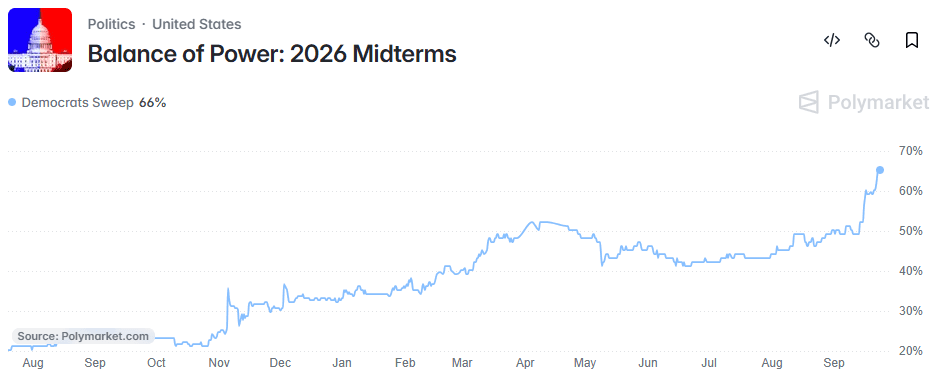


Fuel prices continue to climb, adding pressure on American households already facing high living expenses. This economic strain is playing a significant role in shaping voter sentiment as the 2024 midterm elections approach. Analysts and political observers suggest that rising fuel costs are contributing to growing dissatisfaction with the current administration and the Republican Party, potentially improving Democrats’ chances of gaining control of both the House and Senate.




Throughout the year, consumers have seen steady increases in the price of gasoline and other fuels. These costs directly affect daily life, influencing everything from commuting expenses to the price of goods transported across the country. Higher fuel prices tend to ripple through the economy, raising costs in multiple sectors and creating broader financial stress for many families.
Voter frustration over the elevated cost of living has long been a pivotal factor in midterm elections. Historically, when economic concerns such as inflation and energy prices rise, the party holding the presidency often faces challenges at the polls. This pattern appears to be in motion again, with Democrats positioned to capitalize on these concerns during the upcoming elections.
President Donald Trump’s Republican Party is facing potential losses in Congress that are widely attributed to economic pressures felt by voters. While many factors influence election outcomes, the current environment of rising expenses stands out as a key issue. Democrats have been highlighting the impact of fuel prices and the broader cost of living in their campaign messaging, aiming to connect with voters who are feeling the pinch.
Energy markets are complex and influenced by various global and domestic factors including supply chain disruptions, geopolitical tensions, and policy decisions. While fuel prices can fluctuate, sustained increases tend to have a notable effect on public opinion and political dynamics. This election cycle, the issue is likely to remain front and center as candidates seek to address voters’ concerns.
In addition to the direct impact on consumers, rising fuel prices often serve as a symbol of broader economic challenges. Voters may view energy costs as an indicator of government effectiveness in managing the economy, influencing their confidence in elected officials. This perception can sway electoral outcomes, especially in closely contested districts and states.
The midterm elections are critical for determining the balance of power in Washington. Control of the House and Senate shapes legislative priorities and the ability to influence policy on issues ranging from infrastructure to healthcare. As such, the economic environment, including fuel costs, plays a crucial role in voter decision-making.
Campaign strategies on both sides are responding to these conditions. Democrats emphasize economic relief and policies aimed at reducing living expenses, while Republicans focus on other priorities and seek to counter narratives that link them directly to the rising costs. The effectiveness of these approaches will be tested as voters head to the polls.
Ultimately, the continued rise in fuel prices is one of several factors contributing to shifting political fortunes. Its impact extends beyond energy markets, touching everyday life and influencing the political landscape. Observers will be watching closely to see how these economic pressures translate into votes in the coming months.
What's Your Reaction?
 Like
0
 Dislike
0
 Love
0
 Funny
0
 Wow
0
 Sad
0
 Angry
0















Comments (0)