


Bond Yields Hit 5.12% as Wall Street Braces for More Fed Rate Hikes

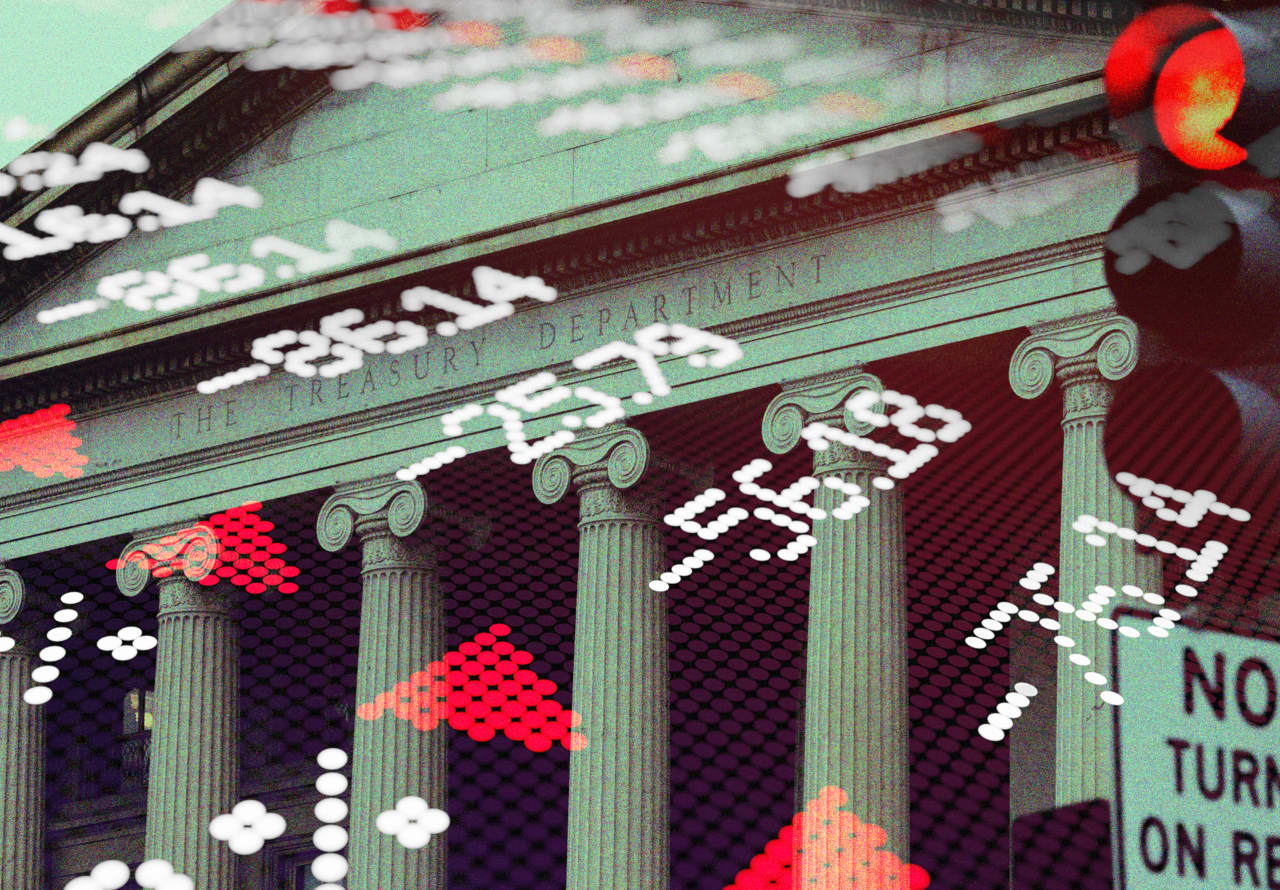


Bond yields surged to 5.12%, marking a notable increase that has unsettled investors on Wall Street. The rise in yields coincided with a retreat in major stock indexes, including the Nasdaq and the S&P 500, both of which pulled back from recent record highs. The market reaction reflects growing apprehension over the Federal Reserve's stance on interest rates and the potential for additional rate hikes in the near term.




Bond yields and stock prices often move in opposite directions. When bond yields climb, borrowing costs tend to rise, which can dampen corporate investment and consumer spending. This dynamic can pressure stock valuations, especially in sectors sensitive to interest rate changes, such as technology and growth stocks. The recent jump to 5.12% signifies increased investor demand for higher returns on fixed-income securities amid expectations that the Federal Reserve will maintain or further tighten its monetary policy.
The Federal Reserve's decisions on interest rates are closely watched by markets because they influence the overall cost of borrowing across the economy. Rate hikes are typically implemented to curb inflation, but they can also slow economic growth. Investors weigh these effects carefully, balancing the risks of persistent inflation against the potential for a slowdown in earnings growth and economic activity.
The Nasdaq and S&P 500 indexes had reached record levels prior to the bond yield surge, supported by optimism about economic recovery and corporate earnings. However, the sudden increase in yields triggered a reassessment of risk and valuation among investors. Higher yields reduce the present value of future earnings, which can lead to lower stock prices, particularly for companies with high growth expectations.
This market behavior is not unusual during periods of changing monetary policy. Historically, adjustments in bond yields can signal shifts in investor sentiment and economic outlook. As investors anticipate further rate hikes, they often reallocate assets between stocks and bonds to manage risk and seek better returns.
For everyday investors and market watchers, these developments highlight the importance of monitoring interest rate trends and central bank communications. Changes in the Federal Reserve's policy can have broad implications, influencing borrowing costs for mortgages, car loans, and business financing. These changes also affect retirement portfolios and investment strategies.
Looking ahead, market participants will focus on upcoming economic data releases and Federal Reserve statements for clues on the pace and scale of future rate adjustments. The interaction between bond yields and stock prices will continue to be a key barometer of investor confidence and economic expectations.
In summary, the recent surge in bond yields to 5.12% has prompted a pullback in major stock indexes as investors recalibrate their outlook in response to possible further Federal Reserve rate hikes. This development underscores the ongoing interplay between monetary policy and financial markets, affecting a wide range of economic and investment decisions.
What's Your Reaction?
 Like
0
 Dislike
0
 Love
0
 Funny
0
 Wow
0
 Sad
0
 Angry
0

















Comments (0)