


India's Retail Inflation Hits 23-Month Peak at 5.54% in September



India's consumer price index (CPI) inflation climbed sharply to 5.54 percent in September 2026, reaching its highest level in nearly two years, according to figures released by the National Statistics Office (NSO) on Monday. This marks a significant rise from the revised 4.83 percent recorded in August.




The surge in inflation is primarily attributed to rising transportation and services costs linked to crude oil prices, alongside a notable increase in food prices. The September inflation rate is the highest since October 2024, when it stood at 6.21 percent based on back-series data.
Retail inflation has now exceeded the Reserve Bank of India's (RBI) target of 4 percent for four consecutive months, although it remains below the upper tolerance limit of 6 percent. On a month-on-month basis, the combined CPI index increased by 0.69 percent, rising from 108.74 in August to 109.49 in September.
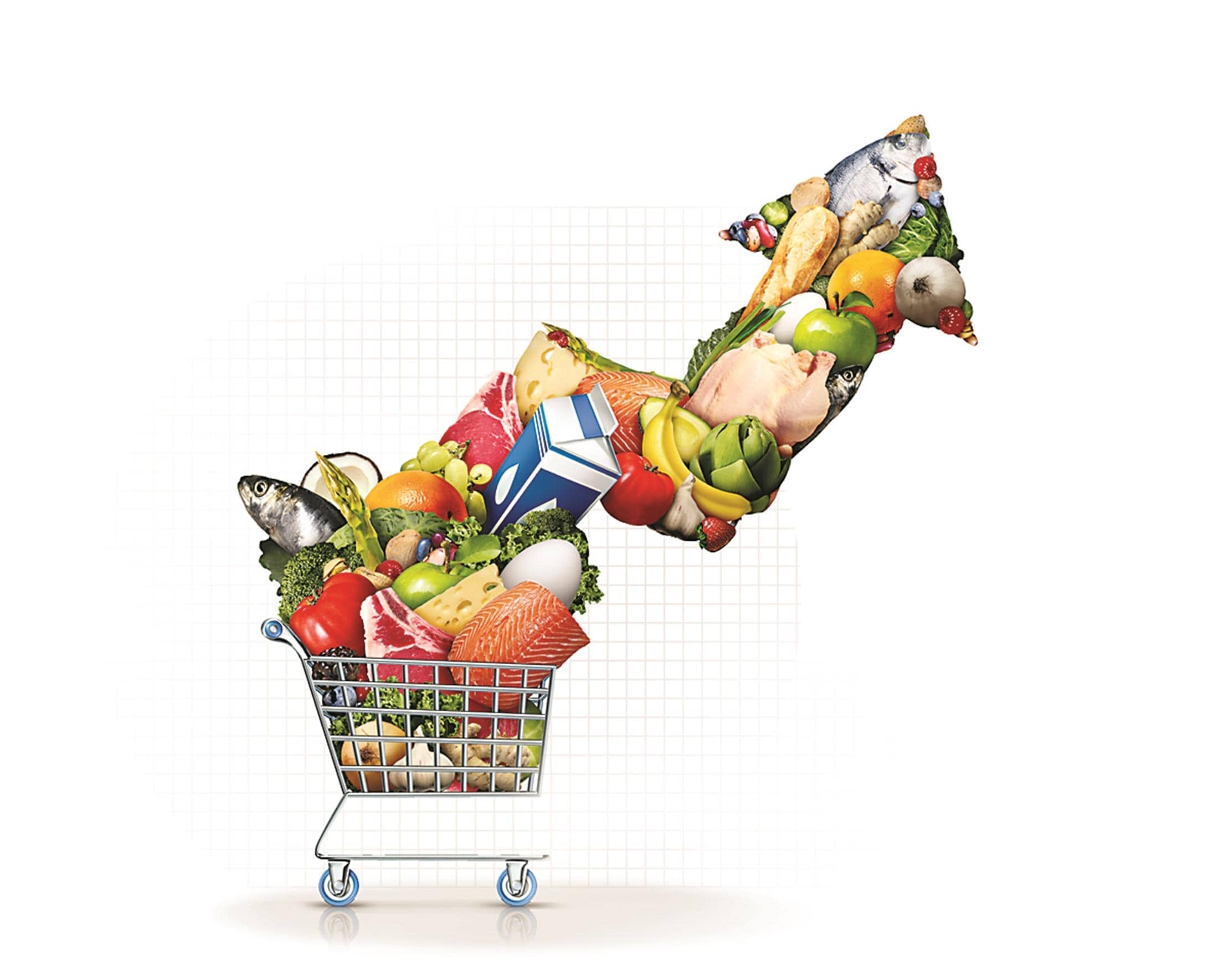
Food inflation, measured by the Consumer Food Price Index (CFPI), rose sharply to 7.74 percent in September from 5.97 percent in August. This is the highest food inflation level since December 2024, when it stood at 8.39 percent under the previous 2012 base.
Among food items, onions experienced the most dramatic price increase, with inflation soaring to 108.09 percent in September, more than double the 48.78 percent recorded in August. Other items such as garlic and lemon also saw significant price hikes, rising to 54.62 percent and 36.41 percent respectively. Ginger prices eased slightly but remained elevated at 62.85 percent.
Conversely, inflationary pressures eased for some vegetables. Tomato deflation narrowed considerably to 8.62 percent from 31.09 percent in August, while potato deflation reduced to 11.50 percent from 13.15 percent.
Outside the food sector, precious metals contributed notably to inflation. Silver jewellery inflation moderated to 87.80 percent from 106.81 percent but remained the second-highest among key goods. This trend kept the personal care, social protection, and miscellaneous goods category at 13.75 percent inflation, the highest among all twelve major CPI divisions.
The impact of higher fuel prices was evident in specific consumer groups. Inflation in restaurant and accommodation services rose to 9.36 percent from 8.38 percent, while transport inflation increased to 5.01 percent from 4.6 percent in August.
Regional data showed that rural inflation climbed to 6.08 percent in September from 5.24 percent the previous month. Urban inflation also increased, reaching 4.88 percent compared to 4.31 percent in August.
Among states with populations exceeding 50 million, Tamil Nadu reported the highest headline inflation at 6.81 percent. It was followed closely by Odisha at 6.70 percent, Madhya Pradesh at 6.68 percent, Telangana at 6.64 percent, and Andhra Pradesh at 6.29 percent.
Looking ahead, the performance of the kharif crop season is expected to play a crucial role in determining food inflation trends. Madan Sabnavis, chief economist at Bank of Baroda, noted that the current elevated inflation largely reflects the depletion of previous stockpiles as the new crop season begins. He emphasized the importance of fresh crop arrivals in stabilizing prices.
Devendra Pant, chief economist at India Ratings and Research, projected that headline inflation for October 2026 could approach around 6 percent, influenced in part by adverse base effects from the previous year.
The NSO's detailed division-wise inflation data for September 2026 shows the following rates: food and beverages at 7.36 percent, paan, tobacco and intoxicants at 4.8 percent, clothing and footwear at 3.93 percent, housing and utilities at 2.74 percent, furnishing and household equipment at 3.11 percent, health at 1.4 percent, transport at 5.01 percent, information and communication at 2.44 percent, recreation and culture at 2.16 percent, education services at 3.94 percent, restaurant and accommodation at 9.36 percent, and personal care, social protection and miscellaneous goods at 13.75 percent.
Understanding inflation trends is vital for policymakers, businesses, and consumers alike. Persistent inflation above the RBI's target range can affect monetary policy decisions and influence economic growth trajectories. The food and fuel sectors remain key drivers of inflationary pressures in India, reflecting global commodity price movements and domestic supply dynamics.
What's Your Reaction?
 Like
0
 Dislike
0
 Love
0
 Funny
0
 Wow
0
 Sad
0
 Angry
0














Comments (0)