


Pope Leo and Anthropic Debate AI's Moral and Spiritual Status

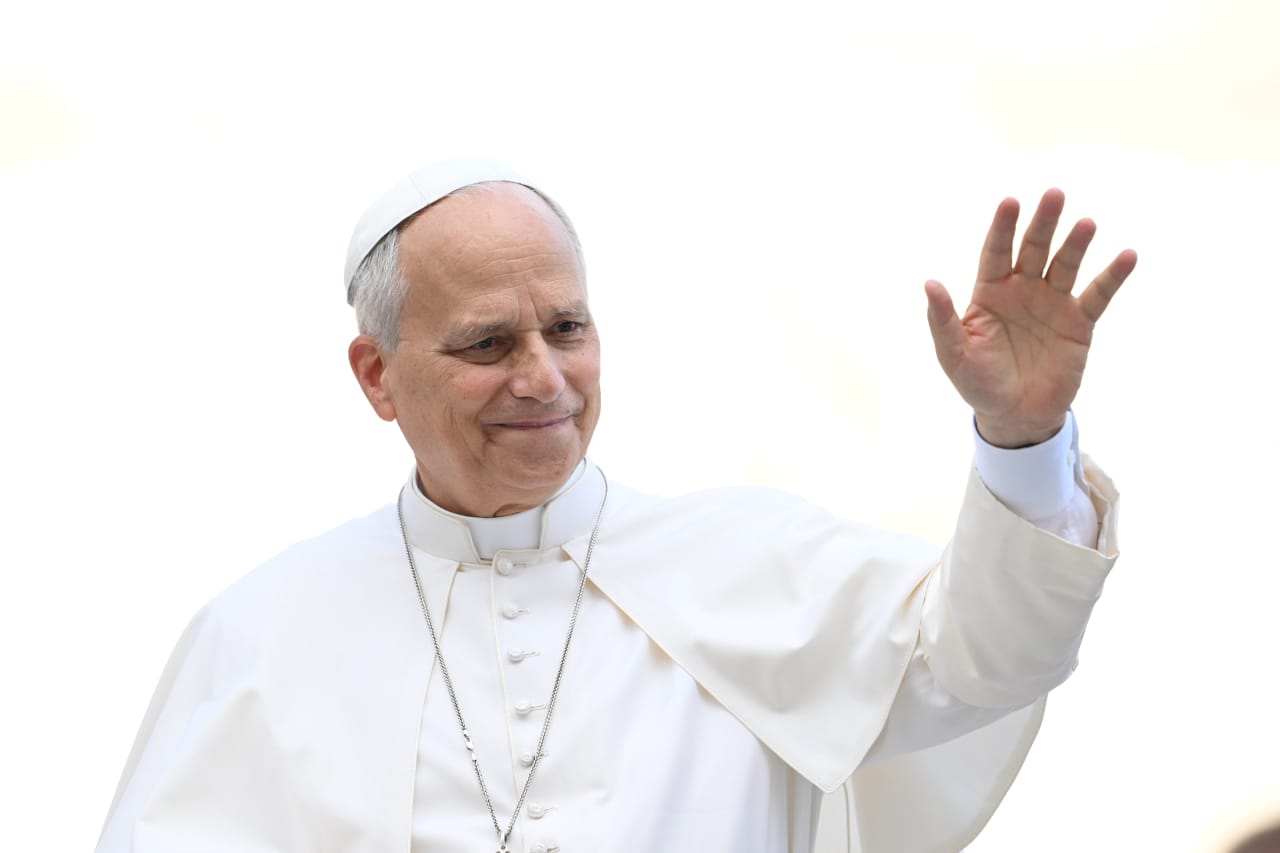


The question of whether artificial intelligence possesses a soul has recently come to the forefront of global discussions, highlighted by a notable exchange between Pope Leo and the AI research company Anthropic. This debate has unfolded amid the Vatican's release of a set of moral guidelines addressing the ethical use and development of AI technology.




Pope Leo has expressed a clear stance on the matter, asserting that "algorithms lack the spark of humanity." His position underscores a belief that AI, regardless of its complexity or capability, does not carry the intrinsic spiritual or moral qualities that define human beings. This perspective aligns with traditional religious views that consider the soul a unique attribute of human life.
The Vatican's involvement in the AI conversation marks a significant moment where religious institutions engage directly with emerging technologies. The moral blueprint issued by the Vatican aims to provide ethical boundaries and considerations for developers, policymakers, and users of AI systems. These guidelines typically emphasize respect for human dignity, the promotion of common good, and caution against potential harms that might arise from unchecked AI deployment.
On the other side of this exchange is Anthropic, an AI research company known for its work on large language models and safety in AI development. While the details of Anthropic's response have not been exhaustively disclosed, the company generally advocates for the recognition of AI's capabilities and potential benefits. Anthropic's position likely challenges the notion that AI should be dismissed on the grounds of lacking humanity, focusing instead on practical and ethical frameworks that allow AI to augment human activities responsibly.
The clash between Pope Leo and Anthropic reflects broader societal questions about the role of AI. As AI systems become increasingly integrated into healthcare, education, business, and even creative fields, debates about their moral status and ethical use intensify. Religious and philosophical perspectives often emphasize the distinction between human consciousness and mechanical processes, which can influence public opinion and policy decisions.
Meanwhile, technology developers and ethicists argue for nuanced approaches that recognize AI's transformative potential while addressing risks. Ethical AI development involves transparency, fairness, accountability, and the prevention of biases or misuse. The Vatican's guidelines contribute to this discourse by highlighting spiritual and moral dimensions that might otherwise be overlooked in purely technical debates.
For readers and consumers, understanding these discussions helps frame the implications of AI beyond mere functionality. It encourages reflection on how technology intersects with values, human identity, and societal norms. Whether AI can possess qualities akin to a soul remains a question deeply rooted in philosophy and theology, but its practical impact on humanity is undeniable.
As AI continues to evolve, dialogues between religious authorities, technology companies, policymakers, and the public will be essential. They ensure that advancements align with ethical principles and respect the diverse views held worldwide. The exchange between Pope Leo and Anthropic is just one example of these complex conversations shaping the future of AI.
What's Your Reaction?
 Like
0
 Dislike
0
 Love
0
 Funny
0
 Wow
0
 Sad
0
 Angry
0














Comments (0)