


India Secures $400 Billion Investment Boost for Renewable Energy Expansion

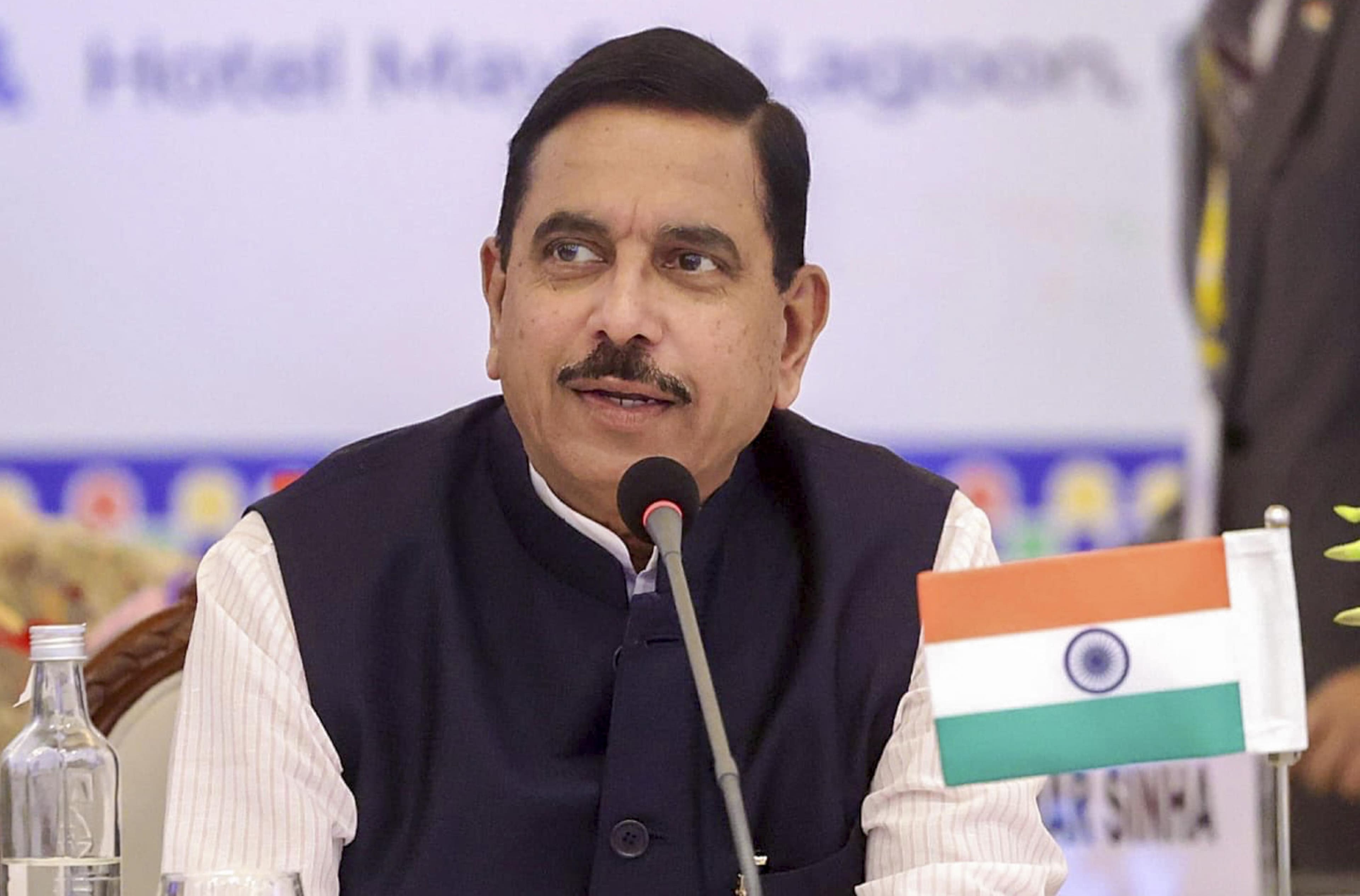


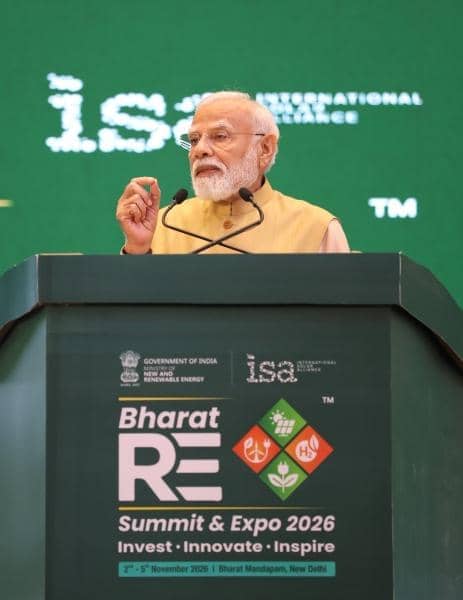
The Indian government has announced that renewable energy companies have pledged around $400 billion in long-term investments to support the country’s green energy transition. Pralhad Joshi, the Minister for New and Renewable Energy, shared this update during an interview with Business Standard on Wednesday at the Bharat Renewable Energy Summit and Expo 2026.




Joshi highlighted that the sector has already attracted domestic and foreign investments totaling between ₹6 trillion and ₹7 trillion over the last two years. This influx of capital comes despite global geopolitical tensions and represents the highest ever investment concentrated in a single industry within that period.
At the 2021 United Nations Climate Change Conference in Glasgow, India committed to achieving a non-fossil fuel energy capacity of 500 gigawatts (Gw) by 2030. To realize this ambitious target, the sector will require an additional ₹21 trillion in investments by the end of this decade. Joshi expressed confidence that this funding will materialize, covering projects across renewable power generation, transmission infrastructure, energy storage, and manufacturing capabilities.
One key development is the recent Cabinet approval of a ₹14,500 crore viability gap funding (VGF) scheme. This initiative aims to support the creation of 92 Gw-hours of grid-scale energy storage capacity between fiscal years 2027 and 2031. The scheme is expected to accelerate the deployment of pumped hydro storage as well as battery energy storage systems, both critical for balancing intermittent renewable power supply.
Solar power remains central to India’s clean energy strategy. The country’s solar cell manufacturing capacity currently stands at 47 Gw. This figure is projected to rise to 70 Gw by December 2024 and reach 100 Gw by mid-2025. Joshi also emphasized government efforts to bolster upstream segments of the solar supply chain, noting that ingot and wafer manufacturing capacity has grown to 9 Gw.
Plans are underway to introduce similar support mechanisms, such as VGF, for polysilicon production—a key raw material for solar cells—with the endorsement of Prime Minister Narendra Modi. These measures aim to reduce India’s reliance on imports and enhance domestic manufacturing resilience.
Looking ahead, the government’s target is to expand non-fossil fuel-based power generation capacity to 800 Gw within the next ten years, signaling a major transformation of the country’s energy landscape.
Transmission infrastructure poses challenges, particularly with acquiring land rights and managing costs. Joshi stated that the central government is actively engaging with state governments to resolve issues related to the right of way and land acquisition. He pointed out that land costs have risen globally, including in India, necessitating coordinated solutions.
The recently approved Green Energy Corridor Phase-III project is set to alleviate transmission bottlenecks by constructing 51,126 circuit kilometres of new transmission lines. This expansion will facilitate the evacuation of up to 135 Gw of renewable energy from generation sites to consumption centers. Joshi estimated that the project would involve strengthening existing substations and adding between 10,000 and 15,000 new substations to handle increased power flows.
When asked about the impact of China's recent export restrictions on critical solar manufacturing technologies, Joshi noted that India has successfully addressed similar challenges in the past. The country’s solar module manufacturing capacity has surged from just 2 Gw a decade ago to 172 Gw today, demonstrating significant progress in domestic capabilities.
India’s renewable energy sector is rapidly evolving as it pursues its climate and energy security goals. The massive investment commitments and supportive policies signal strong momentum toward a cleaner, more sustainable power system that will play a key role in the country’s economic growth and environmental stewardship over the coming decade.
What's Your Reaction?
 Like
0
 Dislike
0
 Love
0
 Funny
0
 Wow
0
 Sad
0
 Angry
0















Comments (0)