


Indian Rupee Gains Since October but Trails Asian Currencies in 2026

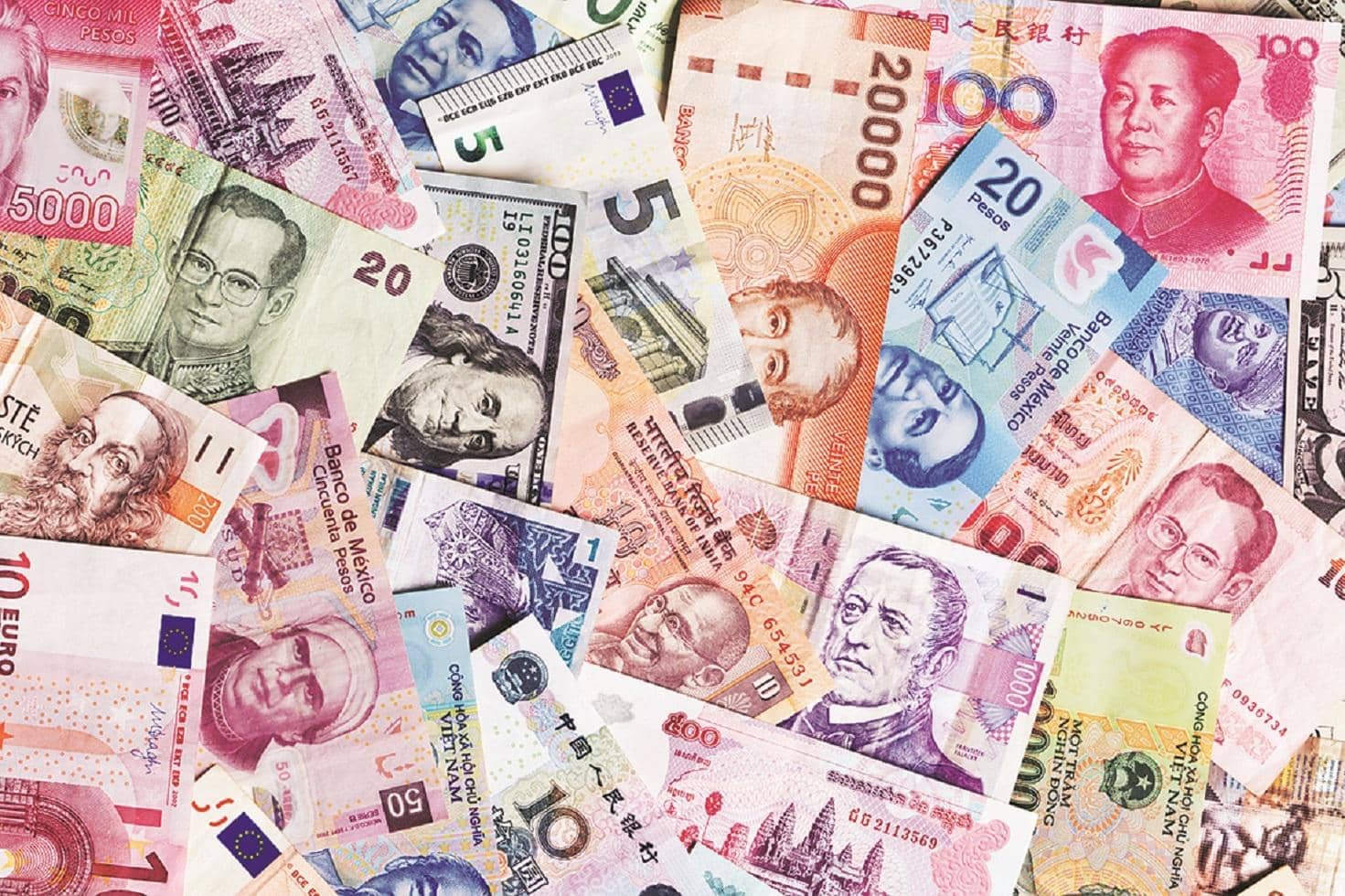


The Indian rupee has shown some improvement against the US dollar since October 2026, yet it continues to rank among Asia's poorest-performing currencies this year. Despite a 1.25 percent gain over the past month, the rupee still remains over 5 percent weaker against the dollar for the year to date.




Several factors have contributed to the rupee’s performance in 2026. One notable development has been regulatory action taken by the Reserve Bank of India (RBI) aimed at restricting speculative trading in derivatives. These measures, introduced in recent months, appear to have helped stabilize the currency somewhat and dampen volatility in the foreign exchange market.
The backdrop to these movements includes a broader weakening of the US dollar following the outcome of the US midterm elections, where the Democratic Party secured a victory. This political shift in the United States influenced global currency markets, leading to some depreciation of the dollar against various Asian currencies, including the rupee.
Despite this, the rupee’s overall depreciation against the dollar remains significant compared to its regional peers. Many Asian currencies have experienced less severe declines or even appreciation relative to the dollar during the same period. This highlights ongoing challenges in India's economic and currency environment amid global uncertainties.
Market analysts point out that the rupee's performance is shaped by a mix of domestic and international influences. On the domestic front, inflation pressures, trade deficits, and foreign investment flows play critical roles in shaping exchange rate trends. Globally, factors such as US monetary policy, geopolitical developments, and commodity prices also impact the rupee’s value.
The RBI’s recent interventions specifically target speculative activity in derivative markets, which can amplify currency swings and create instability. By tightening regulations in this segment, the central bank aims to limit excessive short-term trading that may not reflect underlying economic fundamentals. This approach is intended to promote a more orderly foreign exchange market and support the rupee’s stability.
India’s currency is a key consideration for investors and policymakers alike, given its impact on inflation, trade competitiveness, and capital flows. A weaker rupee can increase the cost of imports and contribute to inflationary pressures, while a stronger currency may affect export earnings. Balancing these factors is a complex task for the RBI as it navigates domestic economic goals alongside global market movements.
Looking ahead, the rupee’s trajectory will depend on multiple variables, including how the Indian economy performs relative to expectations, the course of US interest rates, and broader geopolitical developments. The currency’s recent gains since October suggest some positive momentum, but the substantial depreciation earlier in the year underscores ongoing vulnerabilities.
In summary, while the Indian rupee has made modest progress against the US dollar in recent weeks thanks to regulatory efforts by the RBI, it remains one of the weakest Asian currencies in 2026. Its performance reflects a combination of internal economic challenges and external market dynamics that continue to shape exchange rate trends. Close monitoring of policy measures and global conditions will be essential to understanding how the rupee fares in the coming months.
What's Your Reaction?
 Like
0
 Dislike
0
 Love
0
 Funny
0
 Wow
0
 Sad
0
 Angry
0
















Comments (0)