


India Proposes Immediate Licence Suspension for Substandard Drugmakers

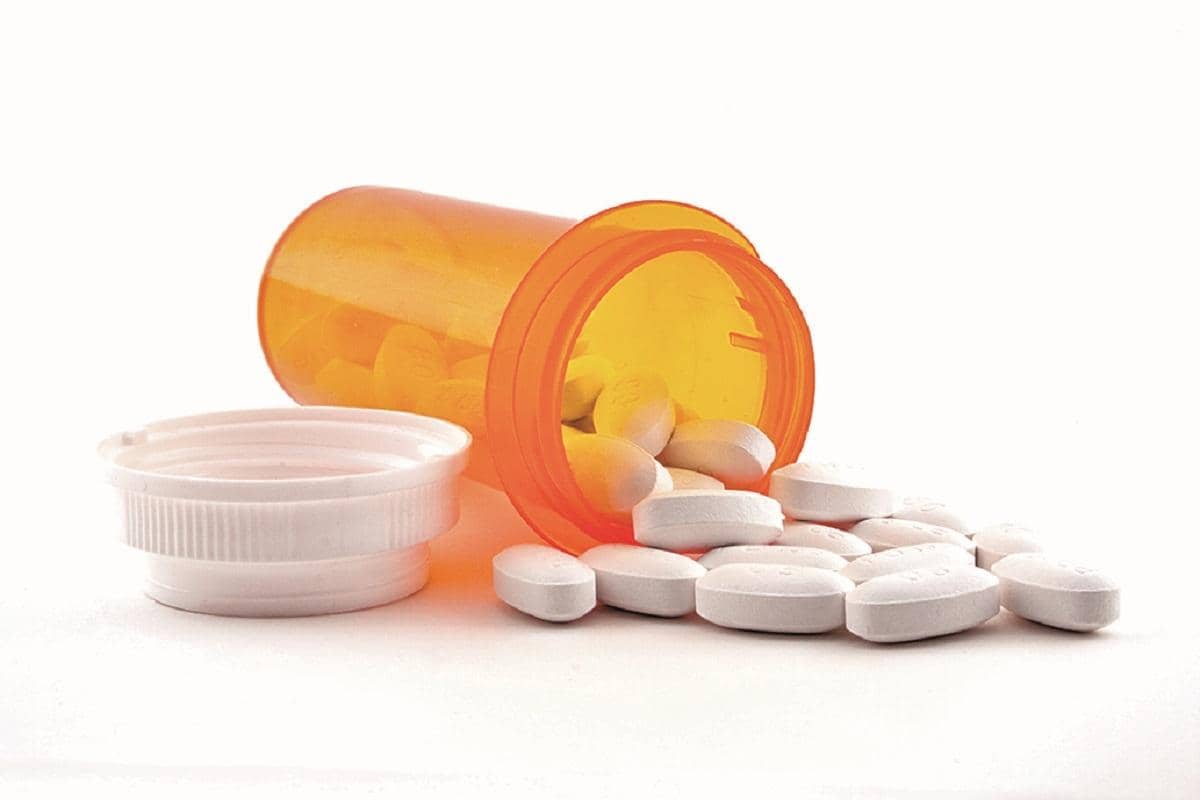


The Union Health Ministry of India is considering a significant regulatory change that would allow for the immediate suspension of manufacturing licences for pharmaceutical companies producing medicines that fail essential quality tests. This move aims to stop unsafe drugs from reaching the market while official investigations and regulatory procedures are underway against manufacturers who do not comply with quality standards.




Currently, the process to suspend or cancel a drug manufacturer’s licence involves several steps, including the issuance of a show-cause notice. This procedure often creates a delay between the identification of a medicine as Not of Standard Quality (NSQ) and the formal regulatory action to halt its production or distribution. During this interim period, these potentially harmful drugs may remain available to consumers, posing health risks and complicating efforts to recall them from the market.
To address this gap, the ministry has proposed amendments to the Drugs Rules, 1945, which would enable immediate licence suspension upon confirmation by any government-accredited laboratory that a drug is NSQ. The evaluation criteria for these tests include critical parameters such as assay, dissolution, related substances, impurities, and sterility.
According to a draft notification released by the ministry, the suspension of licences will remain in effect until the drug manufacturer completes a thorough root-cause analysis and implements corrective and preventive actions (CAPA) that satisfy regulatory authorities. Only after these measures have been verified by the licensing authority will the suspension be revoked. This approach is designed to ensure that manufacturers not only halt the distribution of substandard products but also address the underlying issues that led to non-compliance.
The proposed changes also involve updates to Form 13, which relates to the test reports prepared by government analysts. Under the new system, these reports must be communicated promptly to multiple stakeholders including the Drugs Controller General of India (DCGI), the state licensing authority responsible for the manufacturing site, and the manufacturer and marketer of the implicated drug. This improved communication aims to facilitate coordinated regulatory responses and enhance transparency across the pharmaceutical supply chain.
This regulatory initiative comes amid heightened scrutiny of Indian pharmaceutical products following several high-profile incidents involving contaminated medicines. Notably, in 2022 and 2023, substandard syrups produced in India were linked to the deaths of dozens of children in countries such as The Gambia and Uzbekistan. Additionally, cough syrups contaminated in India caused the deaths of at least 22 children in the states of Madhya Pradesh and Rajasthan last year.
The proposal reflects ongoing efforts by Indian authorities to tighten drug quality controls and protect public health. These amendments follow discussions at the 65th Drugs Consultative Committee meeting held on December 20, 2024, and recommendations from the 92nd Drugs Technical Advisory Board meeting on April 24, 2025. The draft rules have been opened for public and stakeholder feedback over a 30-day period to ensure broad consultation before finalization.
India’s pharmaceutical sector is a major global supplier of medicines, producing a wide range of generic and branded drugs for domestic use and export. Ensuring the quality and safety of these products is critical not only for public health within India but also for maintaining the country’s reputation in international markets. The proposed swift suspension mechanism is expected to enhance regulatory oversight and reduce the circulation of substandard medicines, thereby contributing to improved patient safety and stronger industry accountability.
What's Your Reaction?
 Like
0
 Dislike
0
 Love
0
 Funny
0
 Wow
0
 Sad
0
 Angry
0
















Comments (0)