


How to Minimize Demurrage Charges on Delayed Imported Goods

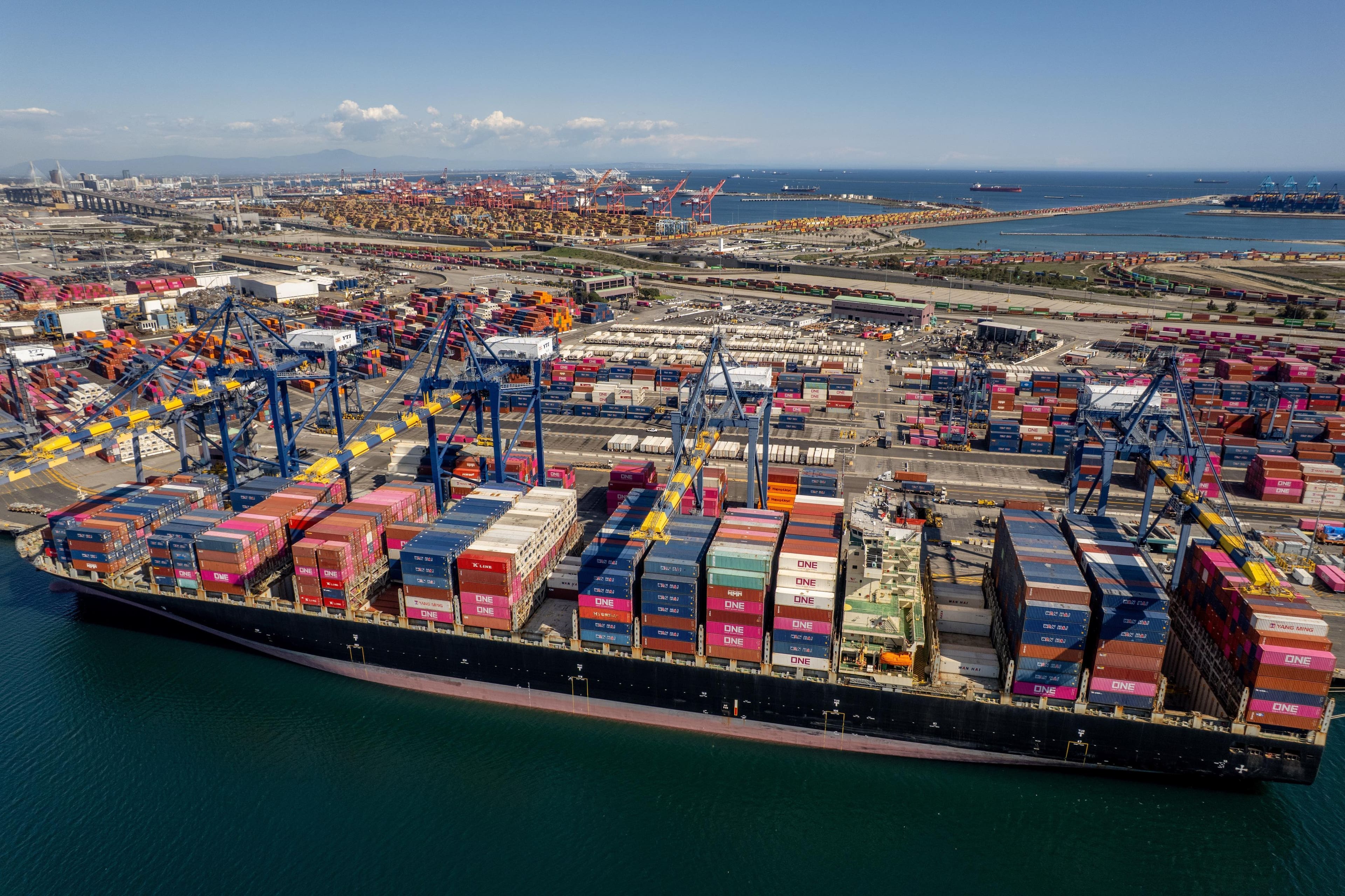


Importers often face delays in customs clearance due to disputes involving valuation or classification of goods. Such delays can lead to demurrage charges, which are costs incurred when cargo remains at the port beyond the free storage period. Understanding the legal provisions and options available can help reduce or avoid these charges.




According to Paragraph 2.2 of the Central Board of Indirect Taxes and Customs (CBIC) Customs Manual 2025, goods should not be detained solely for simple valuation or classification disagreements. If Customs suspects serious fraud or requires further investigation, they may detain the goods. In such cases, the importer or exporter must receive a written notice explaining the option to move the goods to a bonded warehouse under Section 49 of the Customs Act, 1962. This notice also clarifies that if the importer declines this option and demurrage charges accumulate, they will be responsible for those fees levied by the custodian or other agencies.
Requesting Customs to transfer detained goods to a public bonded warehouse can be a practical solution. Section 49 allows storage of goods in these warehouses initially for 30 days, with the possibility of extensions. Usually, the rent and handling fees at a bonded warehouse are lower than demurrage charges at the port. However, importers must still pay any demurrage accrued before the transfer. It is important to note that the warehousing provisions under Chapter IX of the Customs Act do not apply to goods stored under Section 49 in a public warehouse.
In another common situation, importers might receive goods they no longer wish to retain. If the goods are in transit and the supplier cannot divert the shipment, but agrees to accept the goods back, the re-export process must comply with Customs regulations. Section 54(1) of the Customs Act requires that for goods intended for transhipment, a bill of transhipment must be presented to the proper Customs officer in the prescribed form and manner.
Further, Section 54(2) allows goods listed in the arrival manifest, import manifest, or import report (collectively known as Import General Manifest or IGM) as intended for transhipment outside India to be moved without paying import duty. Importers should coordinate with the shipping line to ensure the IGM reflects the goods as transhipment cargo to the port where the supplier wants the goods returned. Once this is done, the importer can file a bill of transhipment in accordance with Section 54. The Sea Cargo Manifest and Transhipment Regulations, 2018, outline the procedural requirements for such cases.
Aside from demurrage and re-export queries, importers and exporters often seek clarity on financial provisions related to Customs compliance. For example, the Director General of Foreign Trade (DGFT) issued Policy Circular No. 25/97-98 on November 17, 1997, which clarifies that interest paid for regularizing defaults under advance authorisations should be calculated as simple interest rather than compound interest. This guidance helps businesses maintain accurate accounting practices when addressing defaults under schemes like Advance Authorisation and Export Promotion Capital Goods (EPCG).
Import and export businesses must stay informed about Customs regulations and options to manage their goods efficiently. Utilizing bonded warehouses under Section 49 can help reduce costly demurrage fees when clearance is delayed. Similarly, understanding transhipment procedures allows for proper handling of unwanted shipments without incurring unnecessary duties. Staying updated on DGFT advisories about interest calculations further assists companies in complying with regulatory requirements.
For related questions on GST, exports, or imports, Business Standard invites readers to submit their queries at smechat@bsmail.in, offering a platform for businesses to engage with expert advice on trade and tax matters.
What's Your Reaction?
 Like
0
 Dislike
0
 Love
0
 Funny
0
 Wow
0
 Sad
0
 Angry
0
















Comments (0)