


Rising Car Prices Put Vehicle Ownership Out of Reach for Many Americans

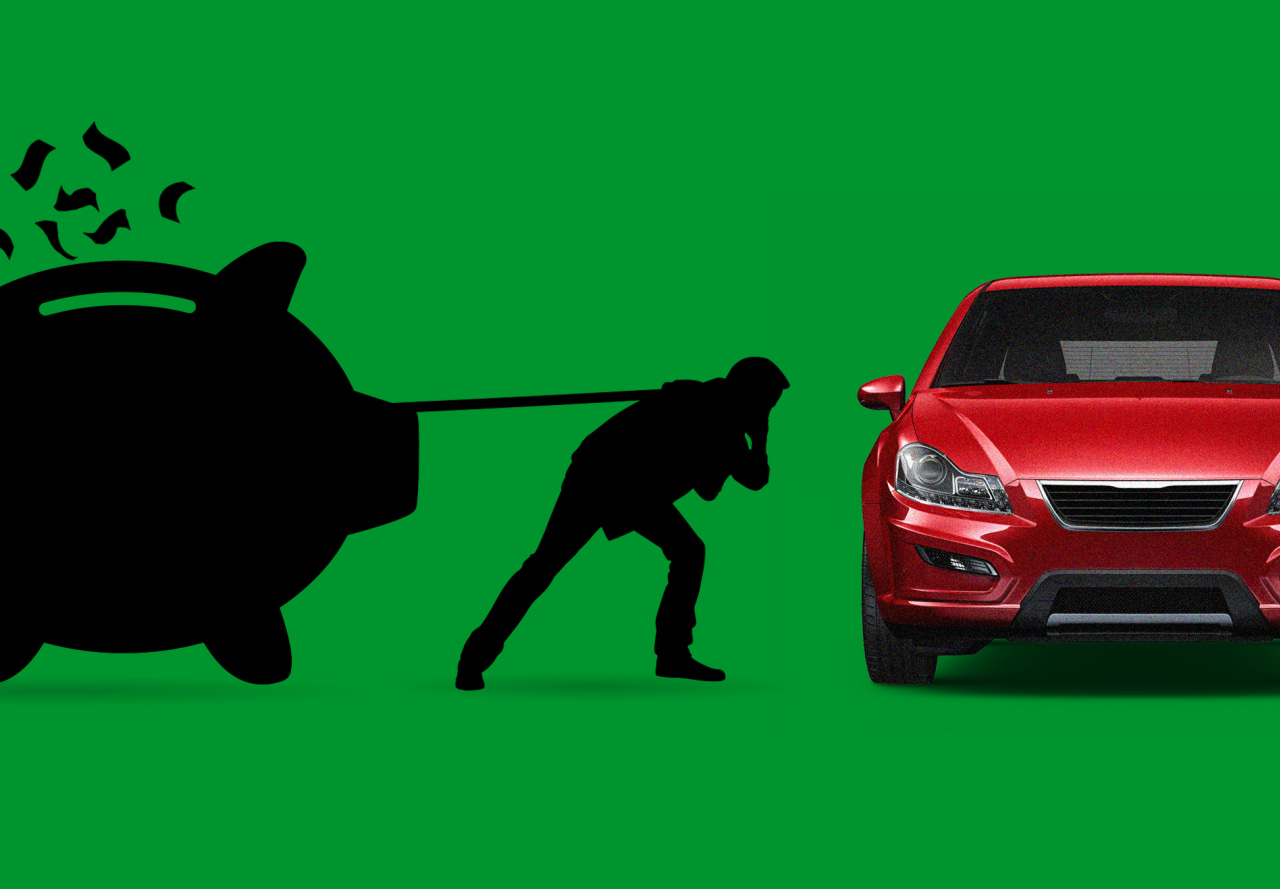


Many Americans are facing significant challenges when it comes to purchasing vehicles, as both new and used car prices have risen sharply in recent times. The impact is widespread, affecting not only first-time buyers but also those looking to replace older vehicles.




At current market prices and interest rates, the average used car now often exceeds commonly accepted affordability measures. This situation has raised concerns about transportation access, financial strain on households, and broader economic implications.
Traditionally, vehicle affordability has been evaluated by several factors, including the price of the car, financing terms, and the buyer's income. When the cost of a car surpasses a reasonable portion of a typical household's income, purchasing becomes difficult without incurring substantial debt or sacrificing other expenses.
Several factors have contributed to this rise in vehicle prices. Supply chain disruptions have limited the production of new cars, pushing buyers toward the used car market. At the same time, demand remains strong, partly due to limited public transportation options in many areas and the need for personal mobility.
Financing rates have also increased, adding to the overall cost of vehicle ownership. Higher interest rates mean monthly payments rise, which can price out potential buyers who might otherwise afford a car if loan terms were more favorable.
Used cars, which have traditionally offered a more affordable alternative to new vehicles, are now often priced at levels that strain household budgets. This dynamic is especially challenging for lower- and middle-income families who rely on used cars for daily transportation needs.
The inability to afford a reliable vehicle can have ripple effects, including difficulties in reaching employment, education, and essential services. Transportation plays a critical role in economic participation, and barriers to access can exacerbate inequalities.
Industry experts suggest that these trends may persist until supply constraints ease and financing conditions improve. Meanwhile, consumers may need to explore alternative transportation options or adjust expectations regarding the types of vehicles they can afford.
Policy responses could also influence the landscape. For example, programs aimed at improving public transit, subsidies, or incentives for used car purchases might help alleviate some of the pressures faced by buyers.
In summary, as vehicle prices and financing costs remain high, many Americans find it increasingly difficult to purchase cars, including used ones. This development underscores the importance of monitoring market conditions and considering strategies to support affordable access to transportation.
What's Your Reaction?
 Like
0
 Dislike
0
 Love
0
 Funny
0
 Wow
0
 Sad
0
 Angry
0

















Comments (0)