
Infosys Chairman Nandan Nilekani Dismisses AI Job Loss Concerns

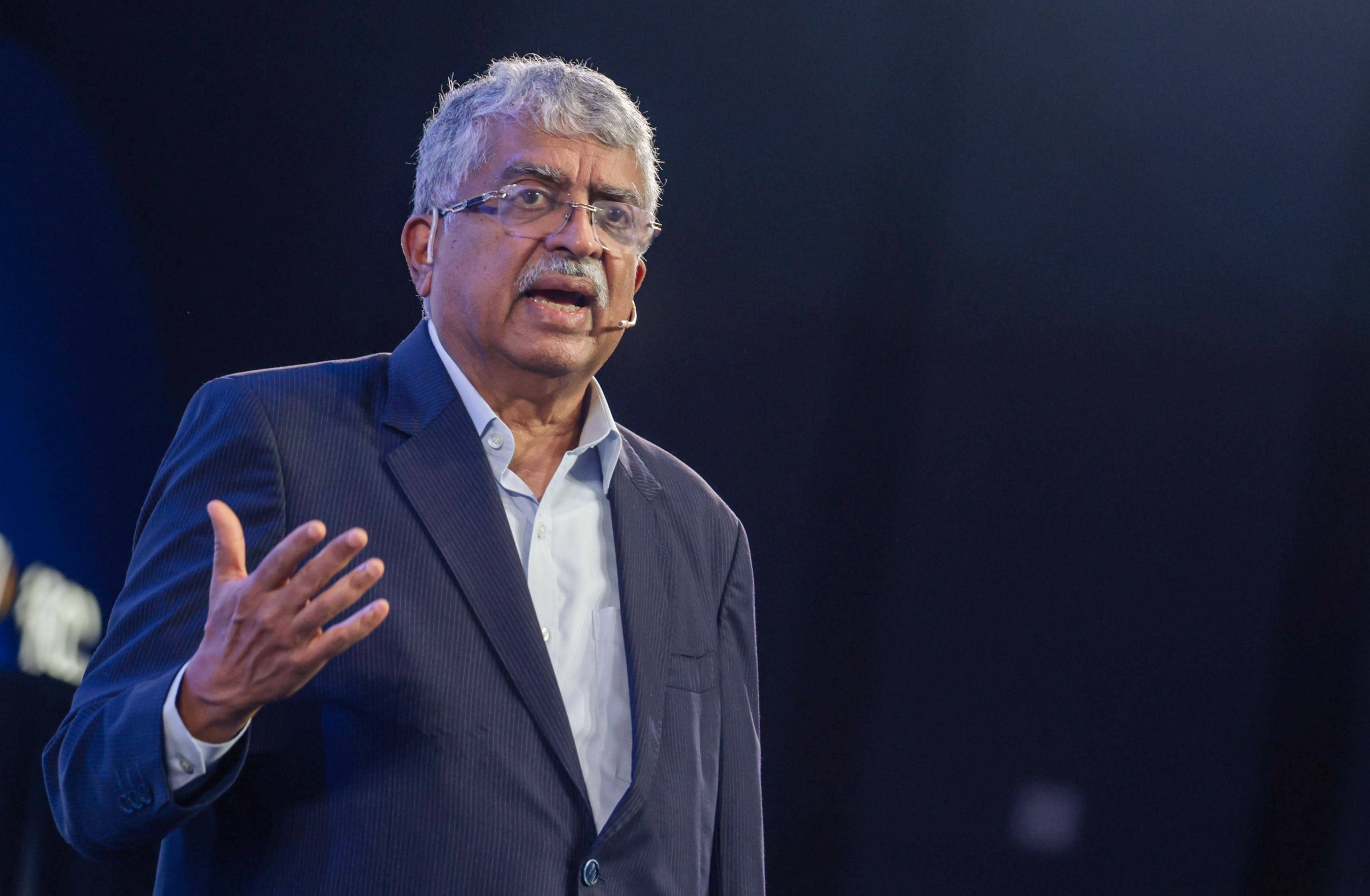
Nandan Nilekani, Chairman of Infosys Ltd. and a key figure in India's technology sector, recently addressed concerns about artificial intelligence (AI) leading to significant job losses. Speaking at the Bloomberg New Economy Forum in New Delhi, Nilekani expressed a confident view that AI would not replace human workers but instead stimulate growth for small businesses and generate demand for new skill sets.
While AI is increasingly capable of performing tasks such as coding, Nilekani emphasized that this is only one piece of a broader transformation. He pointed out that many new roles will arise to oversee AI deployment, ensure its reliability, and manage associated risks. According to the 71-year-old tech veteran, the notion that AI will displace large numbers of jobs is unfounded.
This perspective contrasts with warnings from figures like Kristalina Georgieva, Managing Director of the International Monetary Fund, who has described AI as a looming "slow-moving tsunami" for the labor market. Nilekani, a co-founder of Infosys, highlighted the importance of governance and change management in AI adoption. "Business transformation is not just about coding," he remarked. "Seventy percent is governance, change management, transformation, guardrails. How do you make sure AI bots don’t hallucinate? How do you make sure agents don’t go rogue?"
The chairman also stressed that new employment opportunities will emerge in areas such as understanding client requirements, fostering collaboration, and facilitating teamwork. These roles will be critical as organizations adapt to AI-driven changes.
Infosys, a major player in the Indian software outsourcing industry, has traditionally relied on large teams of engineering graduates to develop software for clients worldwide. However, advancements in AI programming models from companies like OpenAI and Anthropic PBC are disrupting this traditional model. Nilekani acknowledged that coding is increasingly becoming automated but noted that technology still represents only a small portion of any comprehensive services project.
He dismissed the idea that AI is contributing to job losses as "disaster marketing" designed to serve the interests of large capital rather than reflect reality. Nilekani explained that the complexity of enterprise transformation in the AI era actually increases demand for companies like Infosys. "The requirement for companies like Infosys or others is actually more than ever before because the transformation of enterprise is a very complex activity, and AI requires you to fundamentally reimagine the way you do business," he said.
Despite Nilekani’s optimism, investors have reacted cautiously. Infosys shares have declined about 45 percent over the past two years amid concerns about the impact of AI tools on traditional programming work. On the day of Nilekani’s comments, Infosys stock rose 3.2 percent, while Tata Consultancy Services Ltd., another IT giant, gained 6.2 percent.
Nilekani concluded by expressing confidence that AI will lead to an increase in work rather than a decrease. He noted that companies will need to transform themselves, reskill employees, and build new capabilities to keep pace. "We are going to see only more work coming our way," he said. "Of course, individual companies will have to get their act together. They’ll have to transform themselves, reskill their workers, build new capabilities. All that is true, but this will only mean more things to be done."
This perspective highlights the evolving nature of the technology sector, where AI is a tool that changes how work is done rather than eliminating the workforce. As businesses navigate this shift, the focus on governance, collaboration, and transformation will be crucial for leveraging AI’s potential effectively and responsibly.
What's Your Reaction?
 Like
0
 Dislike
0
 Love
0
 Funny
0
 Wow
0
 Sad
0
 Angry
0












Comments (0)