


Western Digital and Seagate Stocks Fall Amid Toshiba's AI Storage Expansion

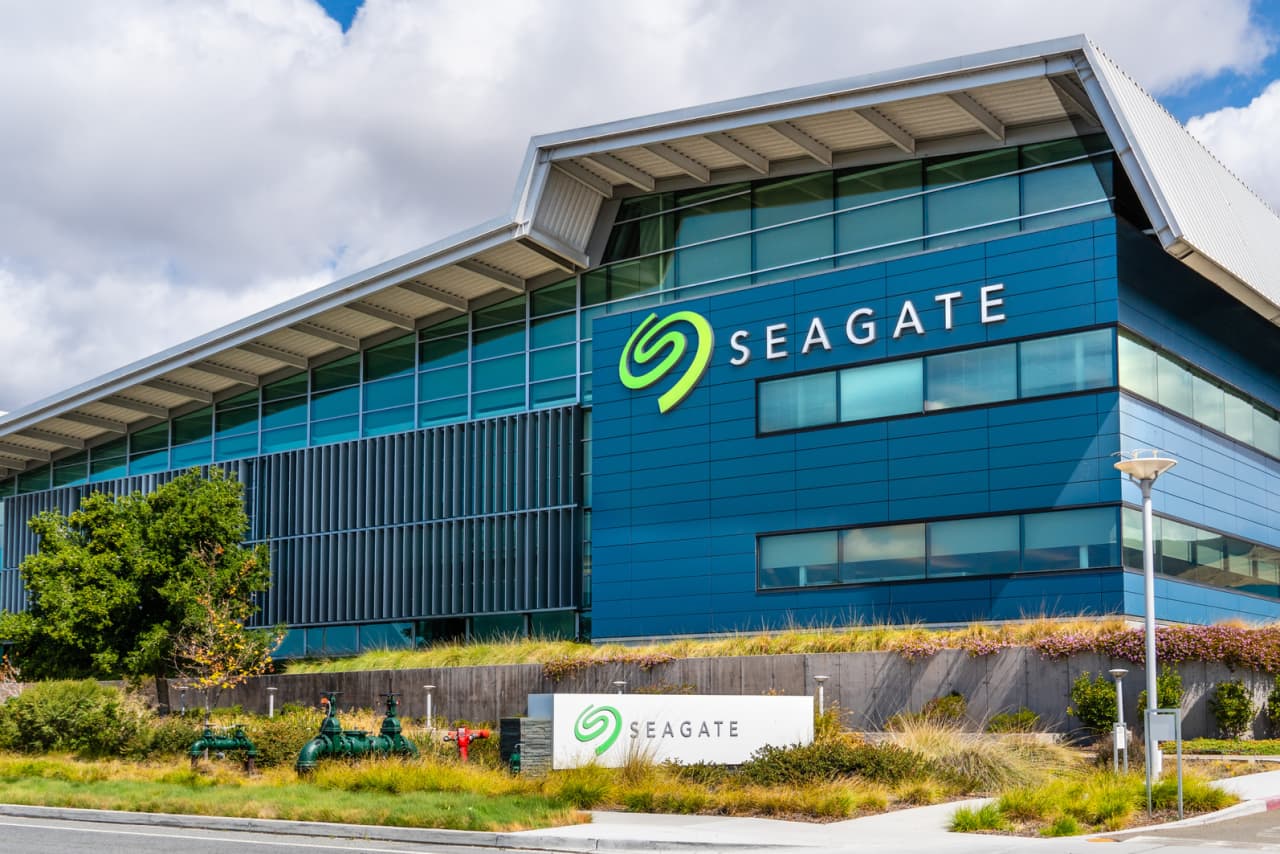


Shares of Western Digital and Seagate experienced notable declines in trading today as investors reacted to news about Toshiba's plans to ramp up production of a key artificial intelligence (AI) storage product. This move by Toshiba has raised concerns about potential shifts in the competitive landscape and pricing power within the data storage sector.




Western Digital and Seagate are two of the most prominent players in the data storage industry, supplying hard drives and solid-state drives to a variety of markets, including consumer electronics, enterprise servers, and increasingly, AI-related applications. Both companies have benefited from strong demand and relatively stable pricing in recent years, especially as data storage needs have surged alongside the growth of cloud computing and AI technologies.
Toshiba, also a significant manufacturer in the storage market, is reportedly planning to increase its output of a specialized storage product designed for AI workloads. While specific details on the scale and timing of this expansion were not disclosed, the announcement has triggered apprehension among investors. The concern centers on the possibility that an increase in supply from Toshiba could disrupt the current pricing environment that Western Digital and Seagate have been able to maintain.
Market participants often watch shifts in production capacity closely since they can affect supply and demand balance. When supply increases sharply without a corresponding rise in demand, prices typically come under pressure. This dynamic is especially relevant in the technology hardware sector, where economies of scale and component costs play a major role in profitability.
For Western Digital and Seagate, maintaining pricing power is critical because it helps preserve margins amid intense competition and ongoing investments in research and development. Both companies have been investing to improve storage density, speed, and energy efficiency, catering to the complex needs of AI applications and data centers. However, increased competition from Toshiba could compel them to adjust pricing strategies to stay competitive.
The broader AI and data storage market has been growing rapidly, driven by expanding use cases such as machine learning, big data analytics, and autonomous systems. Storage demands for these applications often require high-performance solutions capable of handling large volumes of data with low latency. This segment presents both opportunity and challenge for manufacturers, as they must innovate while managing cost pressures.
Investors typically view announcements about capacity expansions as signals of potential shifts in market share and profitability. While Toshiba's move may lead to more choices and possibly lower costs for customers, it also raises questions about how established suppliers will respond. Strategic adjustments could include accelerating innovation, seeking new partnerships, or optimizing production efficiency.
In the near term, the market reaction to Toshiba's plans has been reflected in the stock price movements of Western Digital and Seagate. However, the long-term impact will depend on how demand evolves and how effectively companies adapt to changing competitive dynamics. The data storage sector remains a vital component of the technology ecosystem, underpinning developments in AI, cloud services, and digital infrastructure.
As the situation develops, stakeholders will be watching closely for further announcements from Toshiba and responses from Western Digital and Seagate. The balance of supply and demand, technological advancements, and pricing strategies will all be key factors in shaping the future landscape of AI storage solutions.
What's Your Reaction?
 Like
0
 Dislike
0
 Love
0
 Funny
0
 Wow
0
 Sad
0
 Angry
0
















Comments (0)