
Wall Street Increases Investment Amid India's Market Growth and Challenges

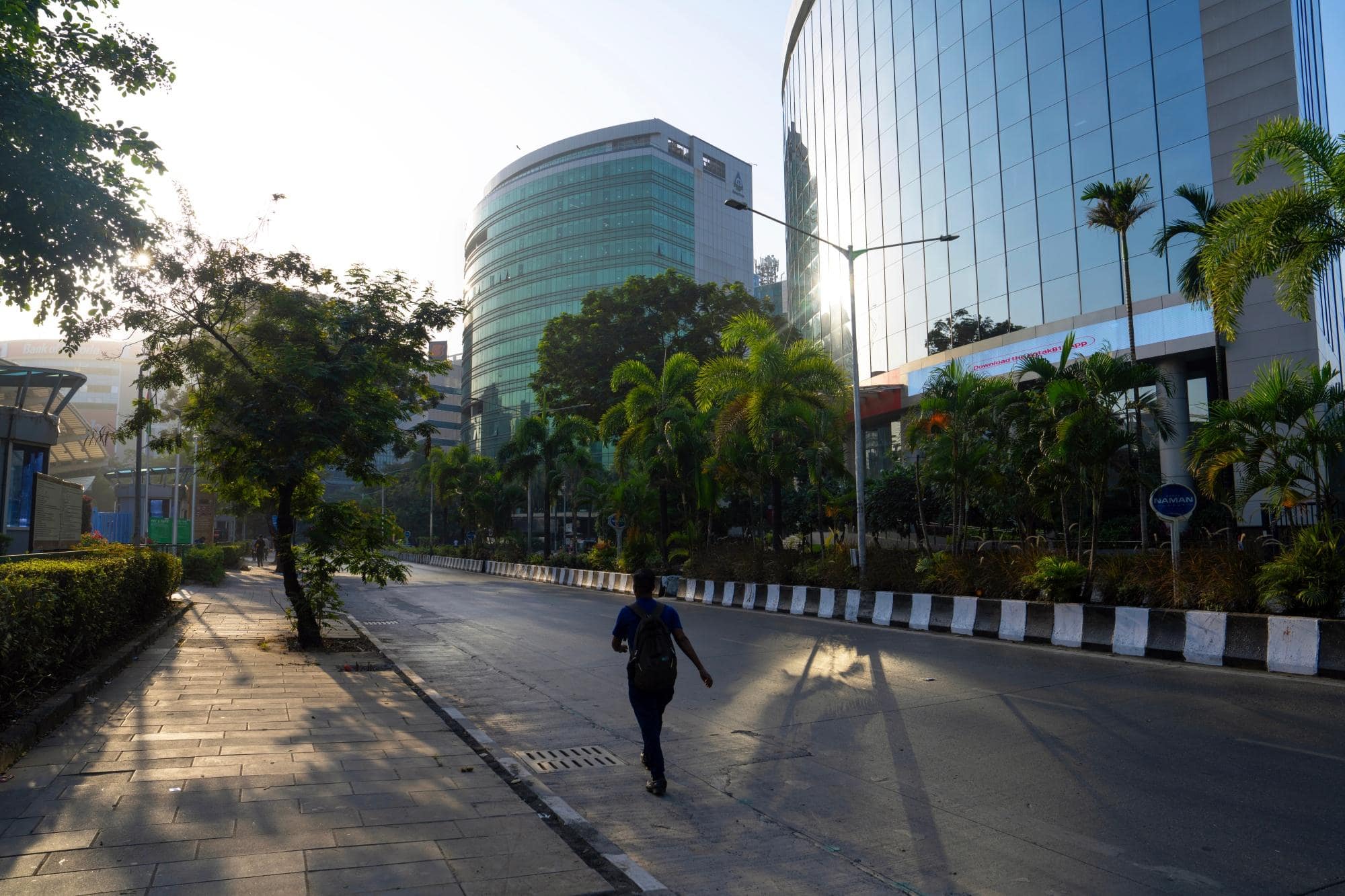
Across India’s diverse landscape of small towns and vibrant cities, retail investors have shown a strong appetite for shares of newly listed companies. This surge in market activity has caught the attention of global financial leaders such as Blackstone Inc.’s President Jon Gray, who recently highlighted India’s appeal as a highly liquid market outside the United States.
Gray, speaking from Blackstone’s Park Avenue office, described India as one of the easiest places in the world to complete an initial public offering (IPO) this year. India has witnessed some of its largest IPOs recently, with billionaire Mukesh Ambani’s conglomerate expected to launch a listing that could reach a valuation exceeding $100 billion. This positions India among the busiest countries globally for IPO activity.
Despite facing obstacles like rising inflation and a weakening rupee, Blackstone has successfully listed numerous companies in India over the past decade, experiencing significant revenue growth. The firm anticipates that its assets under management in India will rise from $50 billion to $100 billion in the coming years. This growth reflects the increasing sophistication and openness of India’s $4 trillion economy to international investors.
Historically, private equity firms in India encountered limited exit options and modest returns. The current environment is markedly different, as private equity, private credit, and sovereign wealth funds commit larger capital pools. Market participants such as Citadel Securities and hedge funds like Millennium Management have established operations in India, further underscoring the country’s expanding financial ecosystem.
While India’s financial markets remain smaller compared to China’s, and challenges like high corporate taxes and currency depreciation affect foreign profit repatriation, many Wall Street executives remain confident about India’s long-term prospects. The Modi administration’s initiatives to develop a broad digital payments infrastructure have brought millions of new investors into the market.
Banking Sector Expansion
Recently, several top Wall Street executives visited India to engage with business leaders and government officials. Citigroup’s CEO Jane Fraser met Prime Minister Narendra Modi, and JPMorgan Chase’s Jamie Dimon held talks with India’s finance minister. Both banks are involved in the much-anticipated IPO of Ambani’s Jio Platforms, which could become India’s largest public offering.
Leading global banks have been strengthening their investment banking and capital markets teams in India. Goldman Sachs, for instance, has invested over $500 million into its Indian banking franchise. Sonjoy Chatterjee, CEO of Goldman Sachs India, pointed out that the increasing financialization of household savings is creating a strong domestic capital base to fuel private-sector investments.
Indian IPO fees have risen, with bankers earning an average of 1.86% of an IPO’s value, surpassing comparable fees in markets like Hong Kong. Competition among Wall Street banks, Japanese financial firms, and local institutions such as Kotak Mahindra Bank and Axis Bank is intense, reflecting the market’s vibrancy.
Global banks are also exploring new growth avenues. Citi India CEO K. Balasubramanian noted opportunities arising as India expands trade agreements with countries including the United Kingdom. Meanwhile, Mitsubishi UFJ Financial Group is expanding its rupee-denominated bond business, aiming to increase its market share after managing approximately $600 million in local bonds since 2025.
Private Equity Influx
India’s economic liberalization since the 1990s has gradually opened its doors to foreign capital and private equity investments. Deal sizes and capital commitments have grown significantly. Brookfield Asset Management’s CEO Connor Teskey projects that its investment in India will exceed $100 billion over the next five years, up from $30 billion in 2025. He cited India’s massive scale, robust growth, respect for capital, and infrastructure demand as key drivers.
Real estate is another sector attracting attention. Both domestic and foreign companies are seeking office space in major cities like Mumbai and New Delhi. Blackstone’s Gray acknowledged challenges from inflation and currency depreciation but noted strong demand in logistics properties has helped offset these pressures.
Global Capability Centers (GCCs) Growth
India’s Global Capability Centers, which began as basic back-office operations in the 1990s, have evolved into critical hubs supporting global finance. As of 2025, India hosted over 1,800 GCCs, a number expected to exceed 2,400 by 2030. These centers now employ large numbers of quants, risk analysts, and technology professionals.
GCCs generated approximately $100 billion in revenue in the last fiscal year. Some Wall Street firms have more employees in India than anywhere outside the United States. JPMorgan, for example, employs about 60,000 people across its Indian centers.
Rising Wealth and Market Participation
Although only a small fraction of India’s 1.5 billion population currently invests in financial markets, the trend is changing. Indians save around $500 billion annually, with nearly half still held in cash and deposits. Recent regulatory changes now permit a $463 billion segment of portfolio management catering to high-net-worth individuals to invest in overseas securities.
The country’s ultra-high-net-worth individual count is forecasted to grow from about 19,000 in 2026 to roughly 25,000 by 2031. This wealth expansion has encouraged international private banks such as Standard Chartered and HSBC to build substantial franchises in India.
However, the wealth gap and resulting social tensions have come to light. Youth movements like the Cockroach Janta Party have emerged, highlighting the complexities within India’s socio-economic landscape amid rapid growth.
Overall, the steady inflow of global capital, growing financial market activity, and government initiatives contribute to positioning India as a significant player in the global economy. While challenges remain, the country’s expanding investor base and increasing sophistication in financial services continue to attract Wall Street’s attention.
What's Your Reaction?
 Like
0
 Dislike
0
 Love
0
 Funny
0
 Wow
0
 Sad
0
 Angry
0










Comments (0)