


RBI Supports Blockchain Innovation but Stays Wary of Cryptocurrencies

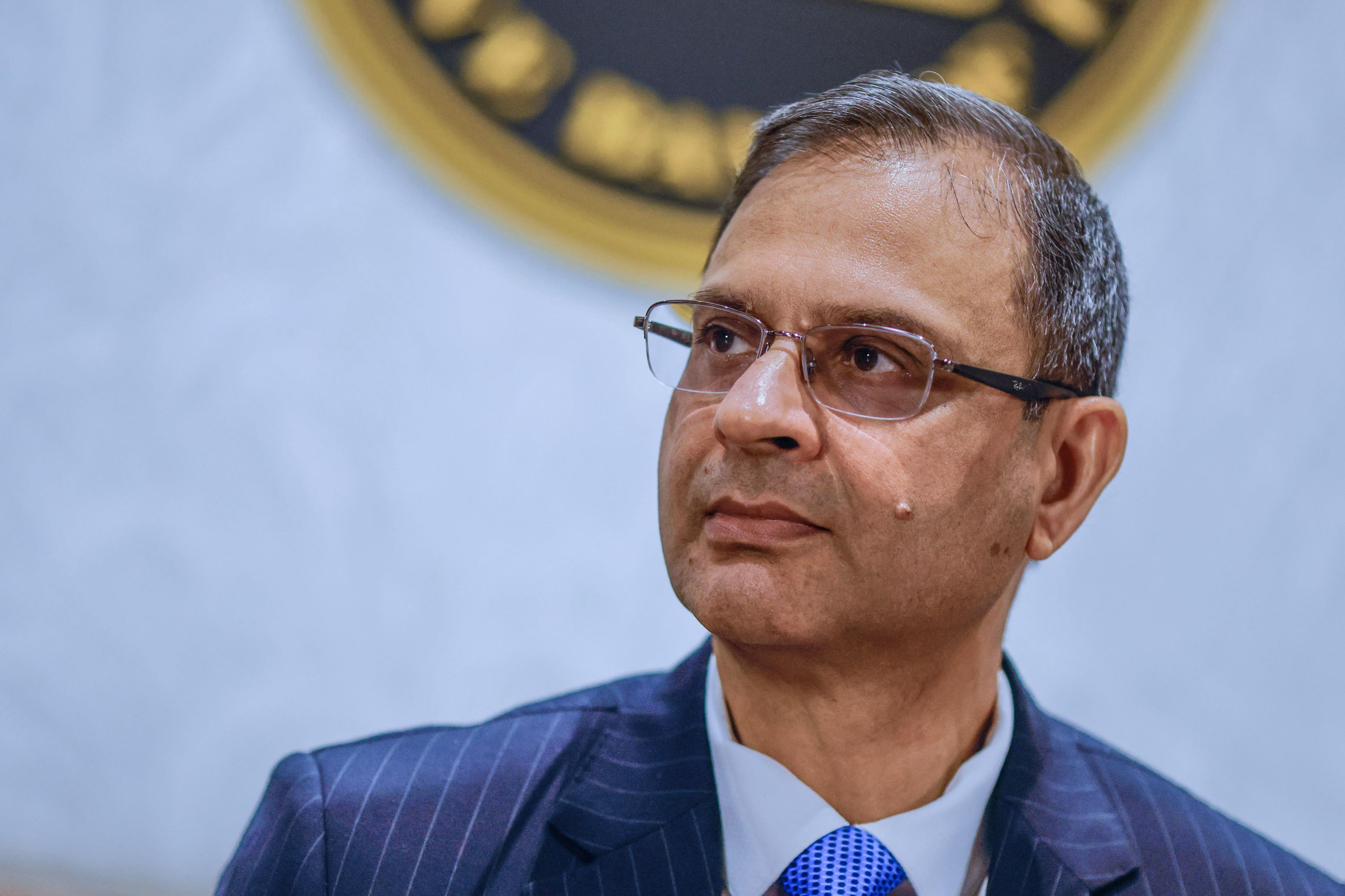


India continues to encourage advancements in blockchain and related technologies, while adopting a careful approach towards cryptocurrencies, according to Reserve Bank of India (RBI) Governor Sanjay Malhotra. Speaking at the Kautilya Economic Conclave on Saturday, Malhotra emphasized the distinction between supporting the underlying technologies of crypto assets and exercising prudence around the use of cryptocurrencies themselves.




The RBI chief pointed out that India is open to innovation involving distributed ledger technology (DLT) and tokenisation. These technologies have the potential to improve financial infrastructure and have already been integrated into some central bank operations and public-private partnerships. However, when it comes to cryptocurrencies, the central bank remains cautious due to concerns related to monetary sovereignty, the effectiveness of monetary policy, and the impact on capital flows.
"Our approach has been to promote the underlying technologies, and we are using some of these in the central bank and outside in PPP (public-private partnership) mode. But insofar as crypto is concerned, it has been a cautious approach," Malhotra stated. This reflects a broader global trend where regulators distinguish between the technology that can improve financial systems and the risks posed by cryptocurrencies as speculative assets.
One significant worry for the RBI is the concept of the 'singleness of money.' Malhotra explained that cryptocurrencies could disrupt the uniformity and control over the monetary system, which is essential for effective monetary policy implementation. This concern is especially relevant for emerging market economies like India, where managing capital flows and maintaining economic stability are critical.
India’s stance aligns with many central banks worldwide that recognize the potential benefits of blockchain technology, including enhanced transparency, security, and efficiency in transactions. At the same time, they remain vigilant about the regulatory challenges and risks that cryptocurrencies could introduce, such as money laundering, volatility, and undermining monetary control.
Distributed ledger technology, the backbone of blockchain, allows for decentralized and immutable recording of transactions. Tokenisation, on the other hand, refers to the process of converting rights to an asset into a digital token on a blockchain. Both have been explored for applications ranging from payments and securities settlement to supply chain management and identity verification.
India's cautious but open approach is part of its broader efforts to modernize its financial system while safeguarding against systemic risks. The RBI has been experimenting with blockchain for projects like digital currency pilot programs and enhancing payment systems. These efforts aim to harness technological innovation without compromising regulatory oversight.
The central bank’s position reflects a balancing act between fostering technological progress and maintaining financial stability. With rapid changes in the global financial landscape, India’s regulatory framework continues to evolve to address emerging challenges posed by digital assets.
As blockchain technology matures, its integration into various sectors could transform how transactions and data management occur, enhancing efficiency and trust. However, the RBI’s cautious stance on cryptocurrencies serves as a reminder of the complexities involved in adopting new financial instruments that operate outside traditional regulatory frameworks.
Overall, Sanjay Malhotra’s remarks highlight India’s dual focus: promoting the development and adoption of innovative technologies that can strengthen the financial ecosystem, while carefully managing the risks associated with cryptocurrencies to protect the economy and maintain monetary sovereignty.
What's Your Reaction?
 Like
0
 Dislike
0
 Love
0
 Funny
0
 Wow
0
 Sad
0
 Angry
0


















Comments (0)