
Delhi Rail and Metro Services Return to Normal After Disruptions

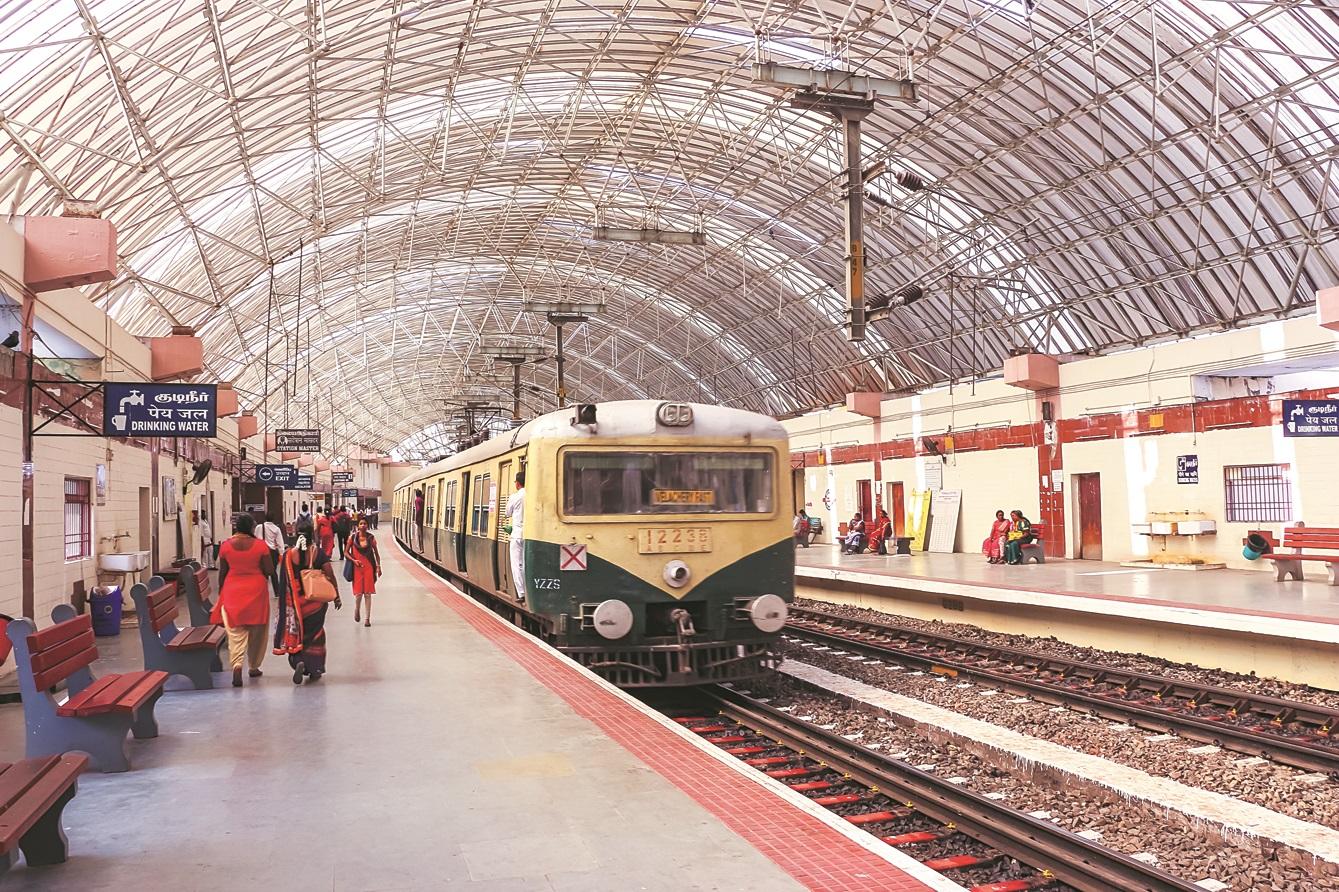
Indian Railways announced that it would restore all train services to and from Delhi starting at midnight on Sunday, following a day of significant disruptions on Saturday. The rail network had cancelled 245 trains across various routes, affecting both long-distance and short-distance travel.
The chief public relations officer of Northern Railway confirmed that normal operations were gradually returning by Saturday evening, with a full resumption planned for Sunday. This followed an unusual decision on Friday to halt 40 mail and express trains destined for Delhi from different regions. The cancellations caused a ripple effect, forcing the Ministry of Railways to cancel 35 outbound trains as well, due to the unavailability of the necessary train rakes.
In total, Indian Railways suspended 75 long-distance services and 170 short-distance passenger trains on Saturday. Several railway zones attributed these cancellations to "road congestion," a rare explanation that railway experts called unprecedented in recent operational history.
At the same time, the Delhi Metro Rail Corporation (DMRC) reopened all its stations by 10 pm Saturday night. The metro had initially closed 57 stations across the capital, but after intervention by the Supreme Court on Friday, the closures were reduced to 45 stations. As of now, there has been no official word from DMRC on whether any stations will remain closed on Sunday.
Traffic authorities in Delhi have urged residents to limit non-essential travel amid ongoing disruptions. The Delhi Traffic Police issued a statement on social media warning commuters of multiple diversions set to continue from 6 am Sunday, depending on ground conditions. They listed 30 specific traffic diversion points and surrounding areas that could experience congestion and movement restrictions throughout the day.
The heightened security measures came amid planned protests in Delhi on Saturday. Authorities deployed a large police presence, and reports indicate that approximately 7,000 individuals were detained during demonstrations against Chief Election Commissioner Gyanesh Kumar.
This series of events highlights the challenges faced by urban transportation networks during periods of civil unrest and logistical complications. Indian Railways, one of the world's largest rail networks, plays a crucial role in daily commuting and long-distance travel for millions. Disruptions of this scale can significantly impact economic activity and mobility in the national capital region.
Delhi Metro, operating as the city's primary rapid transit system, also plays a vital role in managing commuter flows. Station closures and service interruptions during protests underscore the delicate balance between ensuring public safety and maintaining transportation accessibility.
Authorities continue to monitor the situation closely, aiming to restore full normalcy in rail and road traffic while managing public order. Commuters are advised to stay updated through official channels and plan their travel accordingly as the city navigates this period of disruption.
What's Your Reaction?
 Like
0
 Dislike
0
 Love
0
 Funny
0
 Wow
0
 Sad
0
 Angry
0









Comments (0)