
Meesho Expands Branded Product Access in Small-Town India

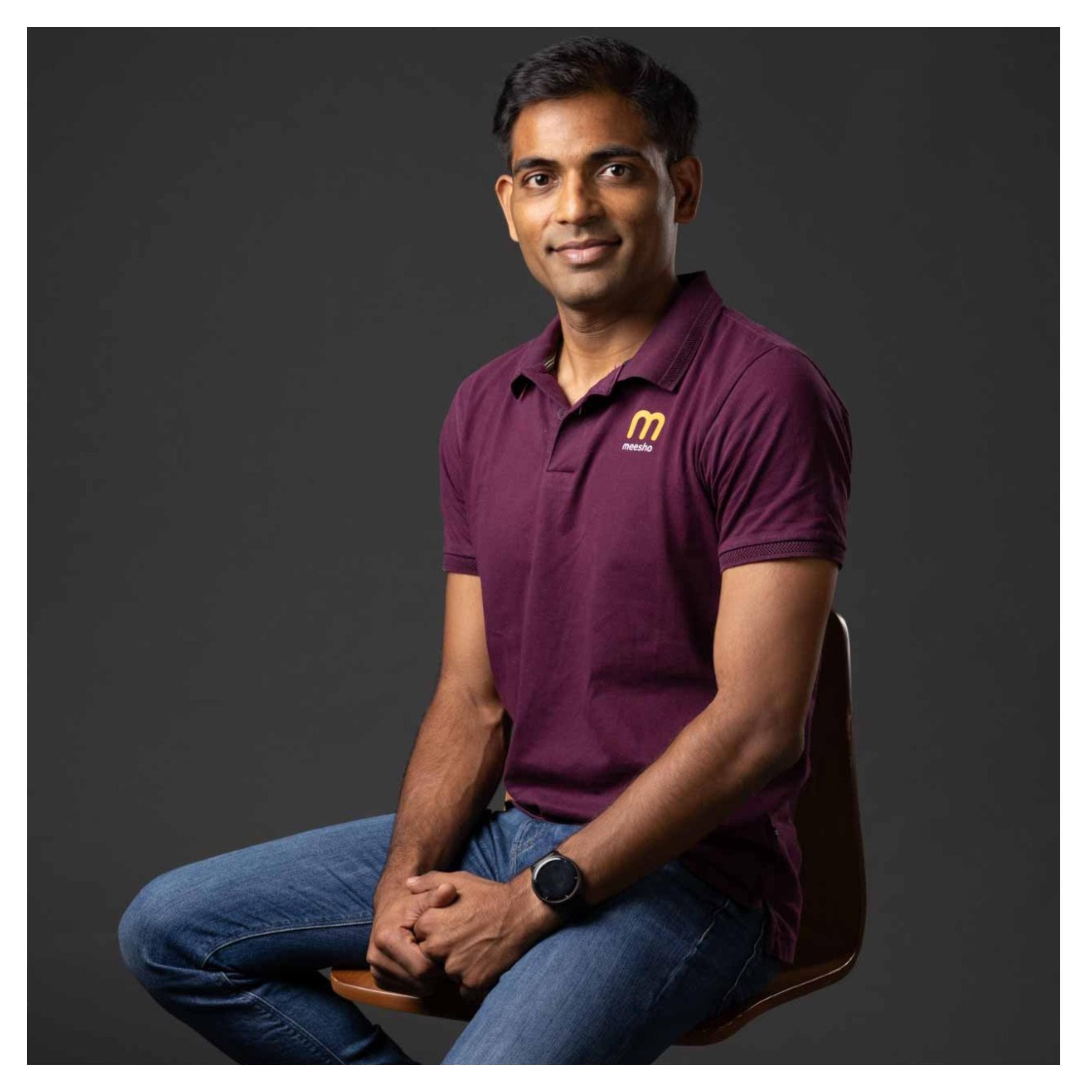
Milan Partani, who grew up in Malpura, a small town in Rajasthan with fewer than 50,000 residents, recalls how local kirana stores limited shoppers’ choices to a few well-known brands in personal care like Vicco and Fair & Lovely. Today, as the chief business officer at Meesho, Partani is spearheading Meesho Mall, the company’s initiative to bring a wider range of branded products to smaller towns across India.
Meesho Mall has witnessed significant growth, with its net merchandise value increasing by 93 percent year-on-year in the June quarter. The number of consumers making transactions on the platform grew by 88 percent during the same period. Partani highlights that consumers in smaller towns have long aspired to access better products, but digital commerce has transformed their ability to explore and purchase from a broader range of brands.
Historically, brands faced challenges in expanding beyond major cities due to the high costs and logistics involved in physical distribution. This restricted availability of product varieties, sizes, and pricing options in smaller markets. Digital platforms like Meesho are altering this dynamic by offering direct access to consumers regardless of location.
The launch of Meesho Mall responded directly to consumer demand, particularly in categories such as personal care and beauty, footwear, and electronic accessories. This trend became especially evident during festive seasons. On the first day of Meesho’s recent Mega Blockbuster Sale, orders through Mall surged over 200 percent compared to the previous year. The number of customers from Tier 3 and beyond nearly tripled, with more than one-third of shoppers purchasing Mall products for the first time, choosing from over 1,000 brands.
Categories driven by everyday aspirations showed the most notable increase. Over 80 percent of first-time Mall buyers selected items in beauty and personal care, including face washes, perfumes, soaps, and skincare products. Health and wellness items, along with footwear, also saw strong demand. Meanwhile, Meesho’s core mass-market offerings remained robust. During Rakhi, which marks the start of the festive shopping season for many, total orders rose 36 percent year-on-year.
Addressing concerns about economic uncertainty, including geopolitical tensions in West Asia, Partani noted that consumers tend to become more budget-conscious during such periods. He suggested that Meesho’s focus on affordability aligns well with this trend, potentially supporting demand rather than hindering it.
Brands are gaining access to new customer segments through Meesho Mall. For instance, over one million users made their first purchase of Mamaearth cosmetics on the platform. Similarly, wellness brand Plix attracted more than one million first-time buyers. Repeat purchases are also on the rise; nearly 40 percent of babycare brand Bumtum’s customers return for additional orders, and consumers of fragrance brand Bella Vita are expanding their purchases into other personal care categories like body care, hair care, and cosmetics.
Partani emphasized that consumers can remain price-sensitive while still preferring branded products. Meesho maintains affordability and authenticity through its technology-driven logistics system, which keeps fulfillment costs low. Its Consumer Demand Intelligence Platform analyzes customer search patterns, preferred price points, and pack sizes to help brands identify gaps and tailor their offerings. For example, demand insights for 10 ml packaging have led to over half of personal care brand Pilgrim’s serum orders coming from this size.
To ensure product genuineness, Meesho employs an AI-powered TrustMesh system that scans around 300,000 product catalogs daily, combined with seller verification and human review. During fiscal year 2026, this system helped eliminate approximately 17 million non-compliant listings.
Artificial intelligence also enhances the shopping experience. In Tier 2 and higher cities, shopping tends to be more discovery-oriented. Meesho’s AI-driven discovery engine, PRISM, personalizes product feeds and generated over 75 percent of the platform’s orders in fiscal year 2026. Additionally, the voice-enabled assistant Vaani allows customers to shop using natural language in Hindi and English.
The company reported that tools designed for sellers contributed to an 81 percent increase in active sellers, reaching 1.04 million in the first quarter of fiscal year 2027. Growth was strongest in Tier 4 cities, with a rise of 125 percent year-on-year. Advertising on Meesho is discretionary, with brands adjusting spending based on return on investment. Operational improvements in monetization, logistics, and reduced cancellations helped boost the contribution margin to 4.6 percent of net merchandise value during the quarter.
Partani outlined Meesho’s ongoing priorities, which include investing in technology and AI, expanding consumer reach, strengthening logistics networks, and exploring acquisitions that complement the company’s ecosystem. The platform is also broadening its product categories, guided by consumer feedback and search trends, to include fast-moving consumer goods, personal care, beauty, and regional foods.
Unlike quick-commerce platforms focused on convenience and speed, Meesho caters primarily to value-conscious shoppers who prioritize price and brand preferences. Reflecting on his hometown of Malpura, Partani observed that many households living on weekly incomes prefer smaller pack sizes, lower price points, and more frequent purchases. Returning to Malpura now, he notes a growing number of people shopping online and accessing brands like Mamaearth, Plix, Ghar Soaps, and Plum in formats and prices suited to their needs.
What's Your Reaction?
 Like
0
 Dislike
0
 Love
0
 Funny
0
 Wow
0
 Sad
0
 Angry
0











Comments (0)