


India's Current Account Deficit Narrows to $5.2 Billion in August: RBI Report

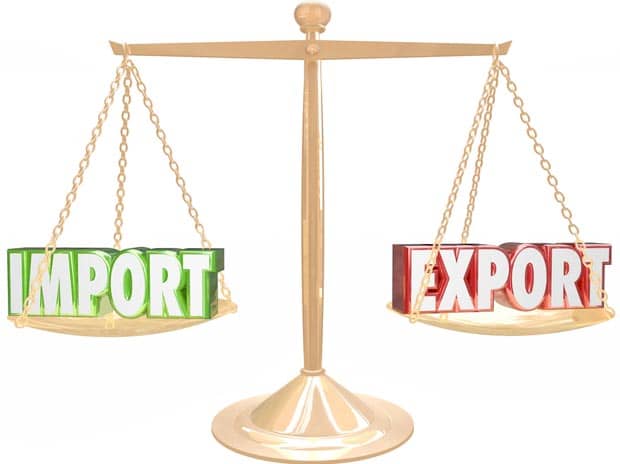


India's current account deficit (CAD) shrank to $5.2 billion in August 2026, down from $6.1 billion reported in the same month last year, according to the Reserve Bank of India’s latest data released on Thursday. This improvement came as gains from a reduced merchandise trade gap and higher net receipts from services helped counterbalance a growing deficit in the income account.




Despite this monthly narrowing, the cumulative current account deficit for the April to August period expanded to $18.3 billion, up from $12.8 billion during the same stretch in the previous fiscal year. The wider deficit over these months was largely driven by an increasing merchandise trade deficit, which rose to $146 billion from $124.7 billion year-on-year.
In August alone, the merchandise trade deficit decreased slightly to $26.6 billion from $27.6 billion a year earlier. This was supported by a rise in exports, which climbed to $44.7 billion from $35.1 billion, outpacing the increase in imports that reached $71.3 billion from $62.7 billion.
Services trade also contributed positively, with net services receipts growing to $16.5 billion in August from $15.6 billion previously. Services exports rose to $35.5 billion compared to $31.2 billion, while services imports increased to $18.9 billion from $15.6 billion. Additionally, net transfers, including remittances from Indians abroad, edged higher to $12.8 billion from $12.2 billion.
However, the income account deficit widened to $8 billion from $6.3 billion, reflecting increased payments related to investment income and other factors.
The capital account showed a strong turnaround in August, recording a net inflow of $50.6 billion compared to $0.5 billion a year ago. This surge was mainly due to banking capital inflows, which jumped dramatically to $64.7 billion from outflows of $4.7 billion in August 2025. Net deposits from non-resident Indians also increased substantially to $83 billion from just $1 billion previously.
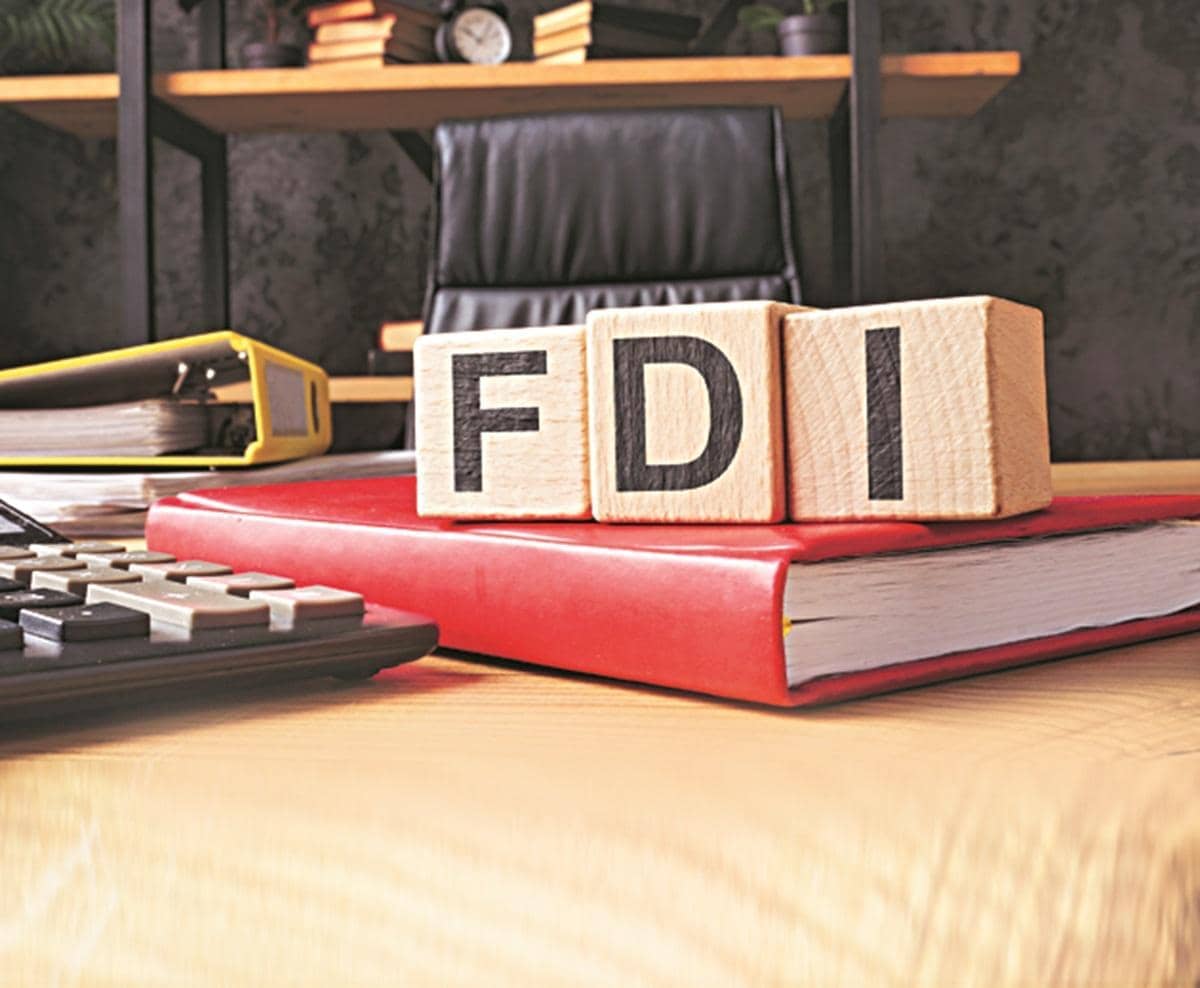
Foreign direct investment (FDI) reversed course with a net inflow of $3.3 billion, moving from an outflow of $0.1 billion a year earlier. Portfolio investment recorded a net inflow of $1.7 billion, compared to an outflow of $2.6 billion in August 2025.
Despite a sharp net outflow in external commercial borrowings (ECBs), which stood at $22.4 billion in August against just $0.1 billion last year, overall capital flows were sufficient to more than cover the current account deficit. Specifically, ECBs to India saw a net inflow of $1.6 billion, while ECBs by Indian entities recorded a net outflow of $23.9 billion.
Reflecting these dynamics, India’s balance of payments posted a surplus of $45.4 billion in August, a stark contrast to the $5.6 billion deficit recorded in the same month of the previous year. For the first five months of the fiscal year, the balance of payments showed a surplus of $58 billion, reversing the $0.8 billion deficit from the prior year.
Economic analysts highlight that the merchandise export sector has demonstrated robust growth, expanding by over 20% for the second consecutive month in September 2026. Meanwhile, growth in imports slowed to an eight-month low of 8%, partly due to a significant reduction in gold imports. This trend helped keep the merchandise trade deficit at $30.2 billion in September, lower than the $33 billion in September 2025.
Aditi Nayar, chief economist at Icra, noted that the current account deficit is expected to widen in the second quarter of the fiscal year 2026-27, projecting it to reach between $13 billion and $15 billion, up from $4.2 billion in the first quarter.
India’s external sector performance reflects a complex balance of factors, including trade, investment flows, and remittances. The narrowing of the monthly current account deficit offers some relief, but the rising deficit over the broader period presents challenges. Continued monitoring of trade balances, foreign investment trends, and capital flows will be crucial for policymakers aiming to maintain external stability and support economic growth.
What's Your Reaction?
 Like
0
 Dislike
0
 Love
0
 Funny
0
 Wow
0
 Sad
0
 Angry
0















Comments (0)