


Crude Oil Outlook: US-Iran Talks and Rising Transit Costs Impact Asia

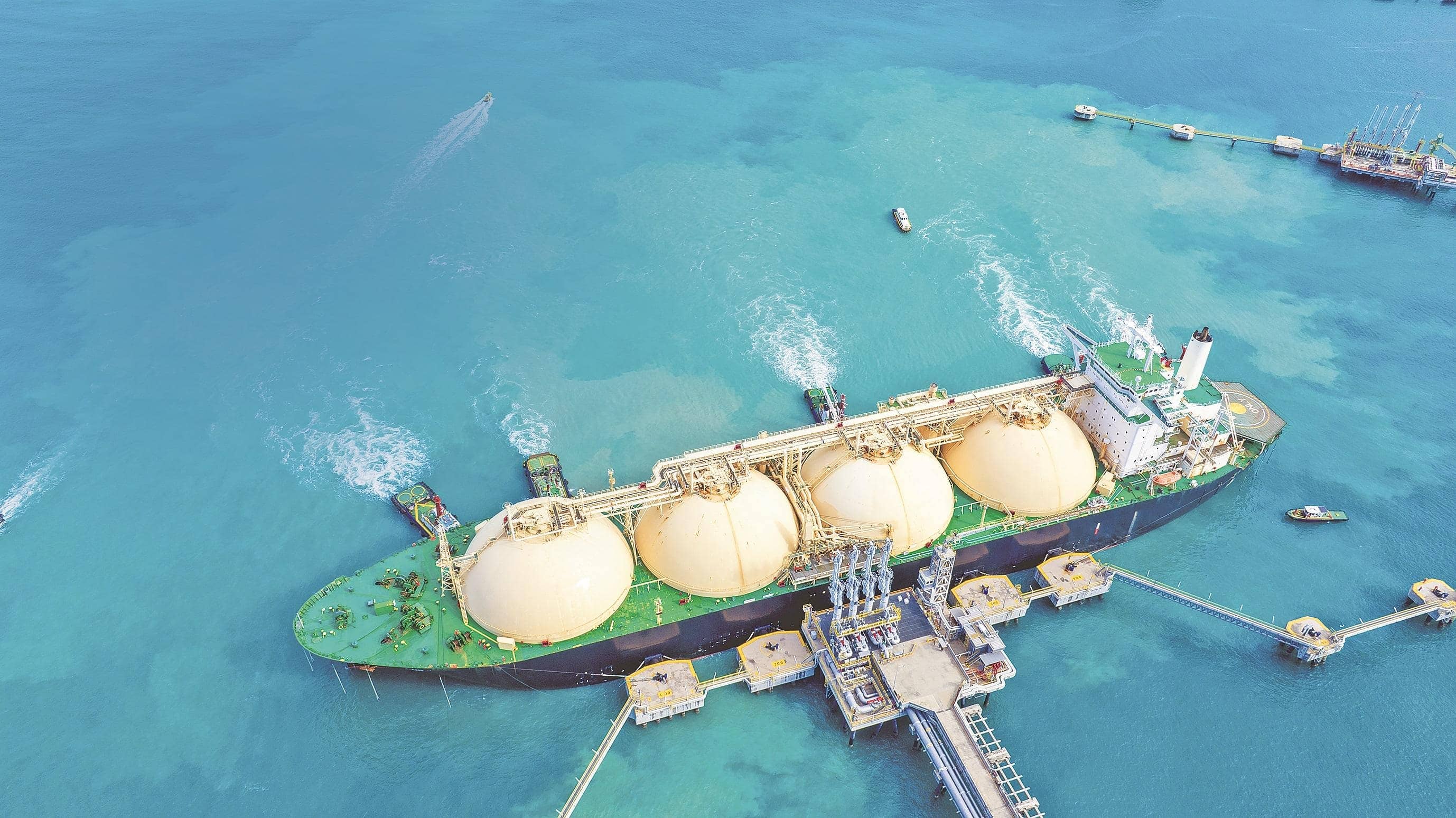


Global crude oil markets are currently navigating a complex set of factors that are influencing costs and supply dynamics. Among the most notable developments are ongoing talks between the United States and Iran, alongside a significant increase in the cost of transporting crude oil to Asian refiners.




Historically, the expense associated with carrying crude oil represented only a small fraction of the total contract value, typically around 1 to 2 percent. This relatively low cost helped facilitate steady flows of oil to key markets, especially in Asia where demand remains robust.
However, recent trends have seen this cost rise sharply, now estimated at approximately 20 to 25 percent for Asian refiners. Such a steep increase in transit expenses can have a meaningful impact on refining margins and the overall economics of crude oil procurement in the region. This shift is prompting market participants to reassess their supply chain strategies and pricing models.
The US-Iran dialogue adds another layer of complexity. Discussions between the two countries have the potential to affect sanctions, oil exports, and consequently, global supply balances. Any easing of restrictions on Iranian crude could increase available supply, potentially easing upward pressure on transportation and crude prices. Conversely, stalled or unsuccessful negotiations might sustain or even heighten current market tensions.
Asian refiners, who account for a significant share of global crude consumption, are particularly sensitive to these developments. Higher transit costs can reduce profitability and influence decisions about which crude grades to purchase or whether to seek alternative supply routes. Refiners must also consider the broader geopolitical environment, which can impact maritime insurance rates, port access, and shipping schedules.
The crude oil market operates within a global network of producers, traders, refiners, and consumers. Transportation costs are a critical component that affects the final price of refined products. When transit expenses rise, it can ripple through the supply chain, ultimately influencing fuel prices for end users and impacting inflationary pressures.
Investors and industry watchers are closely monitoring how these factors will evolve in the coming months. The interplay between geopolitical negotiations and logistical challenges underscores the delicate balance that governs the energy sector. Market participants often adjust their strategies in response to cost changes to maintain competitiveness and manage risks.
In summary, the current crude oil outlook is shaped by significant shifts in transit costs and diplomatic engagement between major global players. Asian refiners face a particularly challenging environment as they adapt to these changes. The developments highlight the importance of supply chain efficiency and geopolitical stability in maintaining steady energy supplies and market equilibrium.
What's Your Reaction?
 Like
0
 Dislike
0
 Love
0
 Funny
0
 Wow
0
 Sad
0
 Angry
0





















Comments (0)