


Crude Oil Futures Face Volatility Amid Middle East Tensions and Market Reports




Crude oil futures are expected to experience significant fluctuations in the upcoming week as geopolitical tensions in West Asia and ongoing negotiations between the US and Iran fuel supply concerns. Analysts highlight that while the situation remains uncertain, there is potential for some price adjustments if diplomatic progress occurs, particularly related to reopening the Strait of Hormuz, a critical chokepoint for global oil shipments.




The market’s focus will be drawn to a series of influential reports scheduled for release, including the monthly oil market assessments from the Organization of the Petroleum Exporting Countries (OPEC) and the International Energy Agency (IEA). These reports provide insight into global oil supply and demand balances, production forecasts, and inventory levels, which can heavily impact investor sentiment and pricing trends.
In addition to these monthly updates, market participants will closely watch the American Petroleum Institute’s (API) weekly inventory data, alongside official US government statistics on crude stockpiles and imports. These numbers often serve as near-term indicators of supply and demand dynamics within the largest oil-consuming nation, influencing short-term price movements.
The geopolitical climate remains highly dynamic following recent developments in the region. US President Donald Trump indicated that Washington is considering joining Saudi Arabia in military actions against Iran-backed Houthi rebels in Yemen. This consideration comes after an attack targeted Riyadh’s international airport, escalating tensions further and raising fears about the safety of critical energy transport routes.
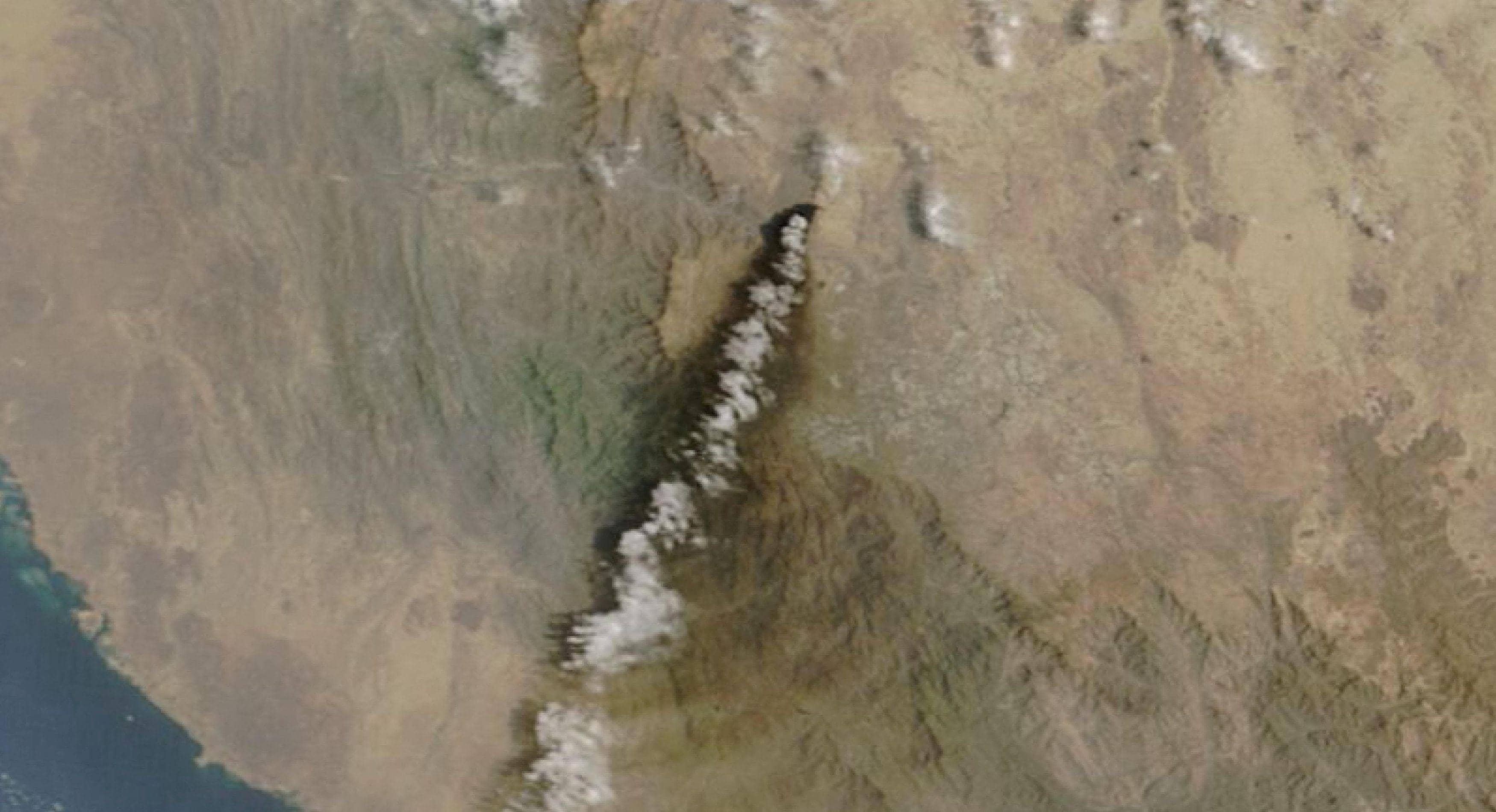
Navneet Damani, Head of Research for Commodities at Motilal Oswal, commented on the situation, noting that the expanding conflict has intensified worries regarding the secure passage of energy shipments through strategic waterways such as the Bab el-Mandeb Strait. This narrow passage between the Arabian Peninsula and the Horn of Africa is vital for oil transit, making it a focal point of supply risk concerns.
The Strait of Hormuz, through which a significant portion of the world’s oil passes daily, remains another sensitive area. While ongoing negotiations offer hope for reopening or stabilizing this route, any disruption could lead to sharp price spikes, given the limited alternatives available for transporting crude from the Middle East.
These geopolitical challenges come at a time when global oil markets are already navigating complex factors including fluctuating demand patterns, production quotas by OPEC and allied producers, and the evolving energy transition landscape. Market watchers emphasize that the combination of political instability and critical supply data releases creates a backdrop for heightened volatility in crude prices.
Energy analysts advise investors to remain cautious, as rapid developments in diplomatic efforts or military actions could swiftly alter market sentiment. The interplay between geopolitical events and economic indicators will likely dictate price direction in the near term, requiring close observation of both official reports and international relations.
Overall, the crude oil market faces a week of uncertainty, shaped by the delicate balance of global supply routes and strategic geopolitical decisions. The responses from key nations involved and the resulting data from influential agencies will be crucial in determining how oil prices evolve during this period.
What's Your Reaction?
 Like
0
 Dislike
0
 Love
0
 Funny
0
 Wow
0
 Sad
0
 Angry
0
















Comments (0)