
India Sets Sugar Diversion for Ethanol Production to Zero in 2026-27

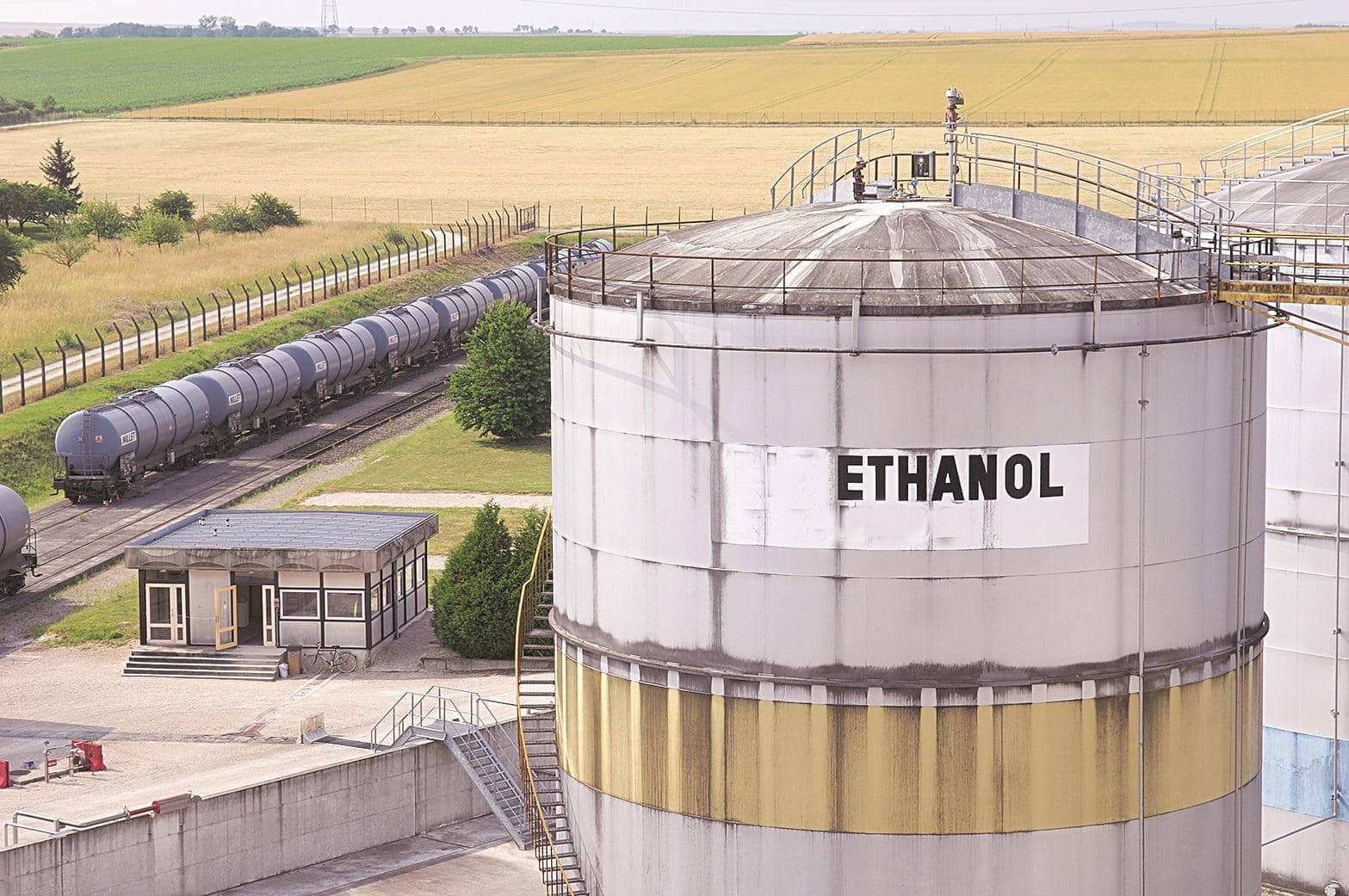
India has announced a significant policy change regarding ethanol production for the supply year 2026-27, instructing oil marketing companies to eliminate the diversion of sugar towards ethanol manufacturing. The directive excludes ethanol produced from sugarcane juice, sugar syrup, and B-heavy molasses from the latest government tender, marking a shift in the country's approach to balancing ethanol supply and sugar availability.
This decision was outlined in a tender released on Friday by the consortium of state-run oil companies Indian Oil Corporation, Bharat Petroleum Corporation, and Hindustan Petroleum Corporation. The tender invited bids for 11 billion liters of ethanol to be supplied starting November of the upcoming period.
India has traditionally relied on surplus sugar stocks to fulfill its ethanol blending mandates, but recent challenges such as suboptimal rainfall have threatened sugarcane yields. These weather-related concerns have pushed sugar prices to unprecedented levels, prompting the government to prioritize stabilizing domestic sugar supplies while continuing to support ethanol production goals.
The tender document explicitly states, "The Government of India has issued directions that sugar diversion for ethanol be reduced to zero for ethanol supply year 2026-27." It further clarifies, "No offers have been sought for ethanol produced from sugarcane juice, sugar or sugar syrup and B-heavy molasses in this quantity bid tender." This move reflects the government's intent to protect sugarcane growers and sugar consumers amid supply constraints.
To maintain ethanol production targets, the government is encouraging the use of alternative feedstocks. The tender allows bids for ethanol made from non-sugar sources including corn, broken rice, and surplus rice stocks procured by the Food Corporation of India. This diversification strategy supports the ethanol blending program while easing pressure on sugar resources.
The ethanol blending initiative aims to reduce reliance on imported fossil fuels and lower vehicular pollution. Earlier this year, India mandated nationwide adoption of E20 fuel, which contains 20 percent ethanol blended with petrol. However, the move has faced some opposition from vehicle owners concerned about engine compatibility, especially in older models.
Alongside feedstock adjustments, the tender also revises the pricing and incentives for ethanol producers. The incentive for corn-based ethanol has been reduced from 5.79 rupees per liter to 2.79 rupees per liter. Consequently, the procurement price offered to producers has decreased from 71.86 rupees to 68.86 rupees per liter. This price adjustment aims to align production costs with current market conditions and encourage efficient ethanol manufacturing.
These policy changes come after reports in August indicated the government was considering limits on sugarcane usage for ethanol production for the season beginning in October. The rationale behind this proposal was to boost sugar output and mitigate record-high prices caused by a drop in rainfall in key sugar-producing states such as Maharashtra and Karnataka.
India is the world's largest consumer of sugar, and the government's efforts to balance ethanol production with sugar availability underscore the complexities of managing agricultural and energy sectors simultaneously. The ethanol blending program plays a crucial role in India's energy security strategy by promoting renewable fuel sources and reducing crude oil imports.
As the country moves forward with these adjustments, the effectiveness of shifting feedstocks and managing sugar diversion will be closely watched by industry stakeholders, farmers, and policymakers. The tender's exclusion of sugar-based ethanol signifies a notable shift toward alternative raw materials that could shape the future of India's biofuel landscape.
What's Your Reaction?
 Like
0
 Dislike
0
 Love
0
 Funny
0
 Wow
0
 Sad
0
 Angry
0











Comments (0)