


US 30-Year Treasury Yield Hits 5.61%, Highest Since 2002 Amid Global Market Pressures

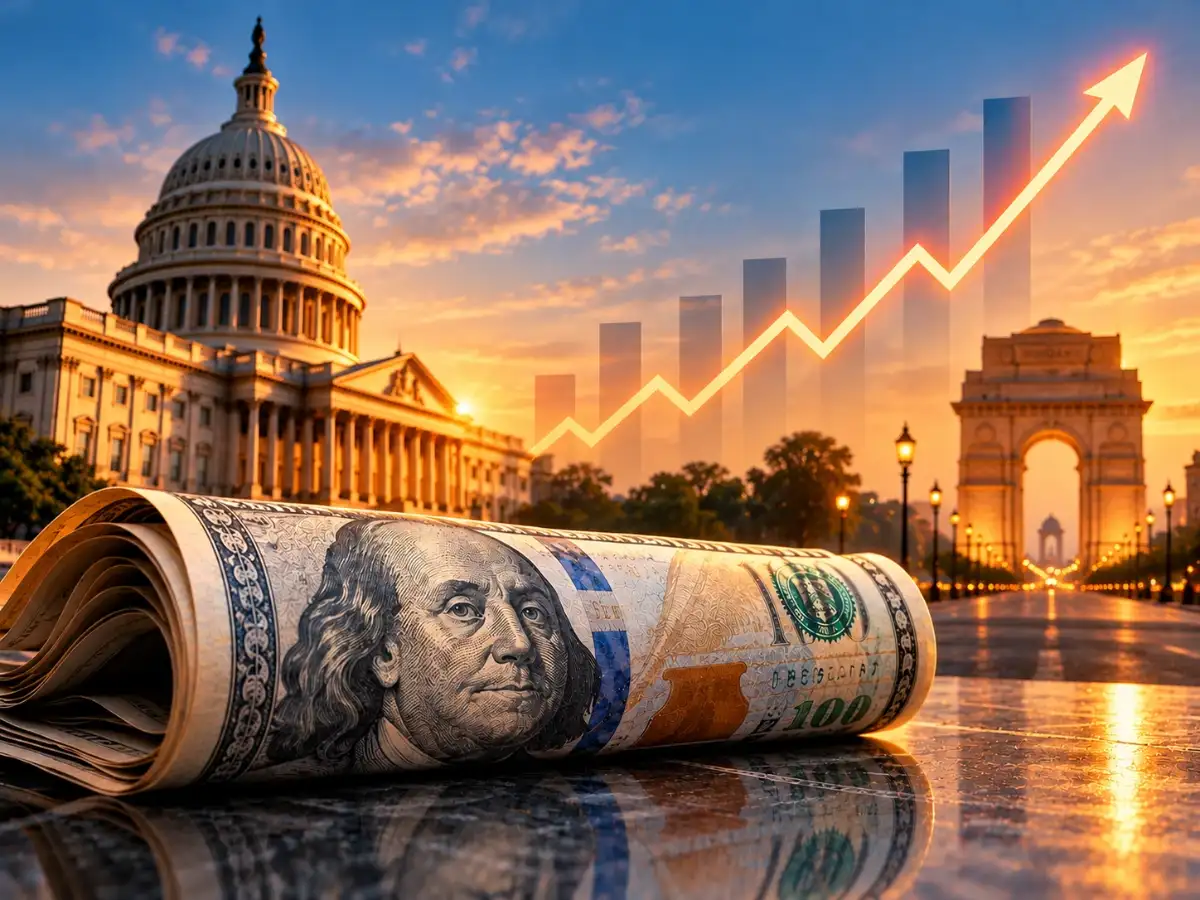


Yields on the 30-year US Treasury bond climbed above 5.61% on Tuesday, marking their highest level since 2002. This increase extended a six-session run of rising yields amid a broad selloff in global debt markets. The move pushes the yield into a range last seen before the era of historically low interest rates that followed the global financial crisis and the COVID-19 pandemic.




Several factors contributed to the surge. Persistently high energy costs have intensified inflationary pressures worldwide. Additionally, heavy issuance of corporate debt has added strain to the fixed-income market. These elements combine to create a challenging environment for government bonds, which have experienced significant selling across the $32 trillion Treasury market.
Global bond markets have been under pressure as the ongoing conflict in the Middle East drives up oil prices. This development has raised concerns about further tightening by central banks, including the Federal Reserve, as they seek to curb inflation. The US economy, showing strong business activity, has also added momentum to the recent Treasury selloff, reminiscent of the market turbulence seen during President Donald Trump’s tariff announcements in April 2025.
Despite some economic indicators pointing to weaker consumer confidence and a drop in job openings, the broader growth outlook remains relatively steady. Meanwhile, Paramount Skydance Corp. launched its much-anticipated investment-grade bond sale on Tuesday. This issuance forms a key part of a $52 billion syndicated financing package to fund its acquisition of Warner Bros. Discovery Inc., with the company aiming to raise about $32 billion.
Monty Gandhi, a rates strategist at SMBC, noted, "We have the fifth-largest investment-grade deal on record. Some of this move in the long end is likely related to that." Such large-scale corporate borrowing can influence Treasury yields by increasing supply in the bond market.
Citigroup strategists described the Treasury market situation as a "light buyer’s strike," suggesting limited demand for bonds amid rising rates. Yardeni Research highlighted another contributing factor: the unwinding of the yen-funded carry trade. In this strategy, investors borrow cheaply in Japanese yen to invest in higher-yielding assets, but recent reversals have pressured US Treasuries further.
Despite the turmoil, some seasoned investors see potential opportunities. Jim Bianco, a Wall Street veteran, has turned bullish on Treasuries for the first time in six years. Similarly, Chris Iggo, a longtime bond investor, anticipates a rebound following several challenging years. Mark Dowding, Chief Investment Officer at RBC BlueBay Asset Management, told Bloomberg that the global bond market selloff may have gone too far.
So far this year, Treasuries have declined by 2.6% according to a Bloomberg index, after a 6.3% gain in the previous year. Losses have affected all maturities, with the 10-year Treasury yield reaching 5.28%, its highest since 2007. The two-year yield remains just below 5% at around 4.93%, the last major maturity under that threshold.
Historically, the fall months have been difficult for bonds. Data compiled by Bloomberg shows that over the past decade, Treasuries typically dropped by a median of 0.9% in September and 0.7% in October. This September is on track to be the worst month for Treasuries since 2023.
Several risks could prolong the downturn. The ongoing US-Iran conflict, fiscal uncertainties, and a hawkish Federal Reserve stance increase the likelihood that losses will continue into October. Prashant Newnaha, a strategist at TD Securities, commented, "It’s been a train wreck in rates over September, and the pain trade may continue. As long as there is no Middle East resolution, there is a risk that we see ongoing de-risking in fixed income, and it could spread to equities as well."
Looking ahead, October often tests Treasury markets as new bond issuance rises and investors return from the summer break. Masahiko Loo, senior fixed-income strategist at State Street Investment Management, pointed out that "the combination of renewed Treasury supply, heavy credit issuance, and relentless AI capital expenditure demand suggests competition for capital remains intense, keeping the risk of further Treasury volatility elevated." This signals that investors should prepare for continued fluctuations in bond prices as the final quarter unfolds.
What's Your Reaction?
 Like
0
 Dislike
0
 Love
0
 Funny
0
 Wow
0
 Sad
0
 Angry
0















Comments (0)