


ISB Survey Finds Suppliers Charging Extra Fees on UPI Payments Before MDR Rollout

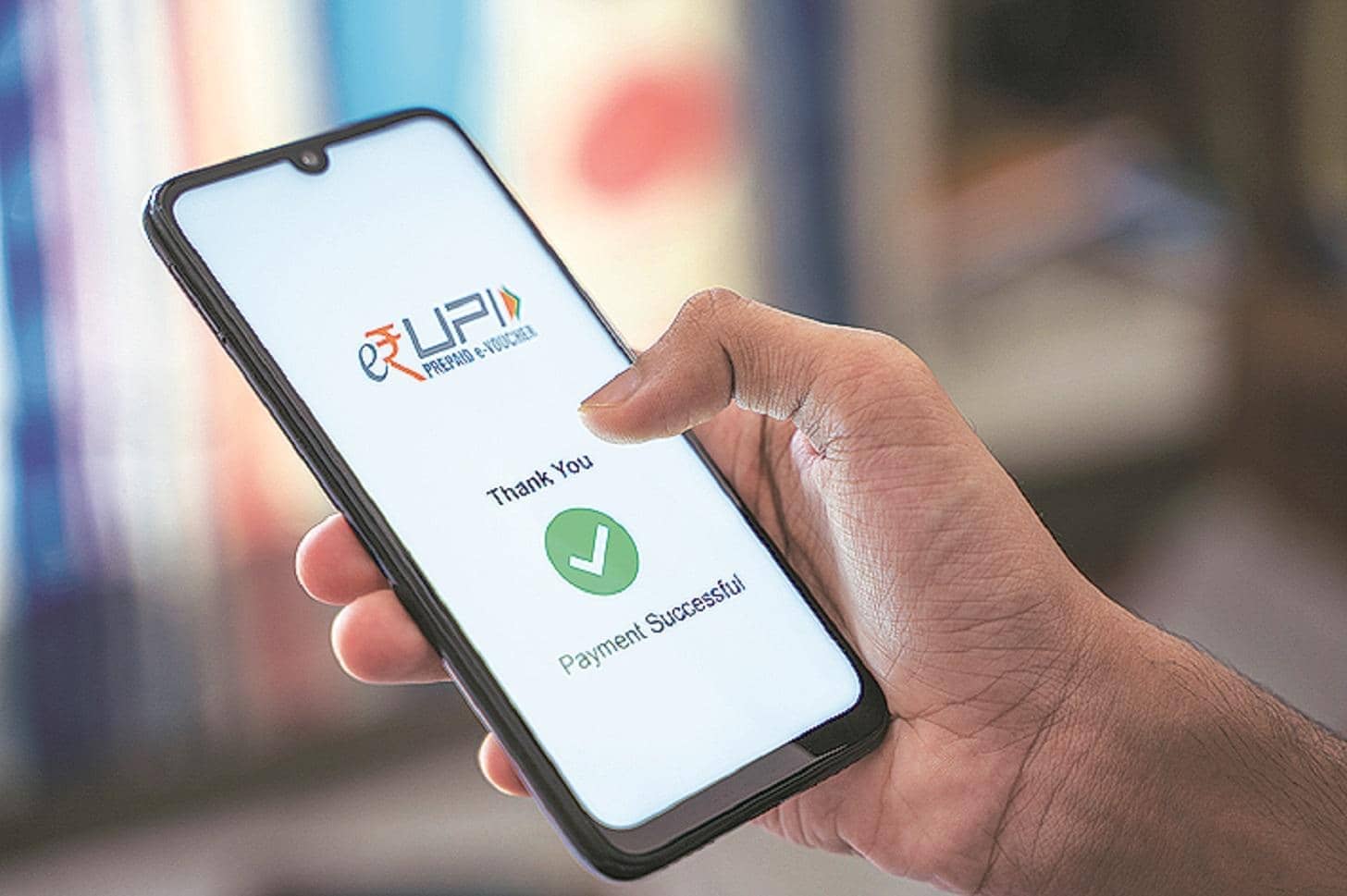


A recent survey conducted by the Indian School of Business (ISB) reveals that about 10 percent of vendors are already encountering additional fees from their suppliers when making payments through the Unified Payments Interface (UPI), despite the fact that the merchant discount rate (MDR) has not yet been officially implemented on such transactions.




The study, carried out by ISB’s Centre for Analytical Finance, gathered data from 722 vendors operating in 64 cities and towns across 14 states and Union Territories between September 24 and October 10. It found that 10.4 percent of these vendors reported being asked to pay extra charges on UPI payments within the previous 10 days.
Most vendors, around 70 percent, typically pay their suppliers amounts exceeding ₹2,000 for stock purchases, which falls within the scope of the proposed MDR framework. Mohan Ramanath, co-author of the ISB report, explained during a virtual press briefing that vendors did not directly link these additional charges to the MDR itself. Instead, they observed that whenever they chose to pay using UPI, suppliers requested extra fees, whereas payments made in cash did not incur such surcharges.
In India, the MDR is a fee that merchants pay to their banks for accepting digital payments. With over 60 million merchants accepting UPI, the MDR on certain transactions was expected to commence on October 15 but has been postponed by the National Payments Corporation of India (NPCI) until after the Diwali festival. NPCI has yet to announce a new date for the MDR's implementation, providing temporary relief to merchants during this high-sales period.
According to the MDR guidelines, a 0.4 percent fee will apply to select person-to-merchant (P2M) UPI transactions exceeding ₹2,000, with a maximum charge capped at ₹300. Specific sectors such as railways, fuel, and education will instead face a flat fee of ₹5 on transactions above ₹2,000.
Importantly, the MDR fee is not permitted to be passed on to customers. Additionally, small vendors, classified as peer-to-peer-merchant (P2PM), who receive less than ₹1 lakh per month through UPI QR codes, are exempt from the MDR charges.
The ISB report further noted that approximately 20 percent of vendors might shift the MDR costs onto their customers, despite regulations forbidding this practice.
Among the surveyed vendors, 67 percent currently accept payments via UPI, and nearly half reported being aware of charges linked to UPI transactions. Of those who accept UPI, about 25.3 percent had at least one transaction over ₹2,000 recently. On average, 7 percent of a vendor’s daily UPI transactions exceed the ₹2,000 threshold.
The introduction of MDR charges on UPI payments is part of a broader effort by Indian financial regulators to balance the costs of digital payment infrastructure with the goal of promoting cashless transactions. While MDR fees help cover operational expenses for banks and payment networks, merchants and customers alike are closely monitoring how these charges will impact transaction costs and payment behaviour moving forward.
With the MDR rollout delayed, vendors and suppliers continue to navigate the evolving digital payment landscape amid festival season demand. The ISB survey sheds light on emerging trends and challenges that merchants face as India’s digital economy grows rapidly and payment policies adjust accordingly.
What's Your Reaction?
 Like
0
 Dislike
0
 Love
0
 Funny
0
 Wow
0
 Sad
0
 Angry
0












Comments (0)