
Indian Rupee Rises for Eighth Day, Hits Six-Week Peak


The Indian rupee extended its winning streak for the eighth consecutive session on Wednesday, closing at 94.47 against the US dollar, marking its strongest level since June 25. This upward momentum, the longest rally in nearly eight years since December 2018, reflects a 2.45 percent appreciation over the past eight trading days.
Market participants attribute the rupee's sustained rise to a combination of factors, including significant foreign currency inflows associated with the initial public offering (IPO) of Jio Platforms, which opened for public subscription on the same day. This influx of foreign capital has bolstered demand for the rupee, providing a welcome lift.
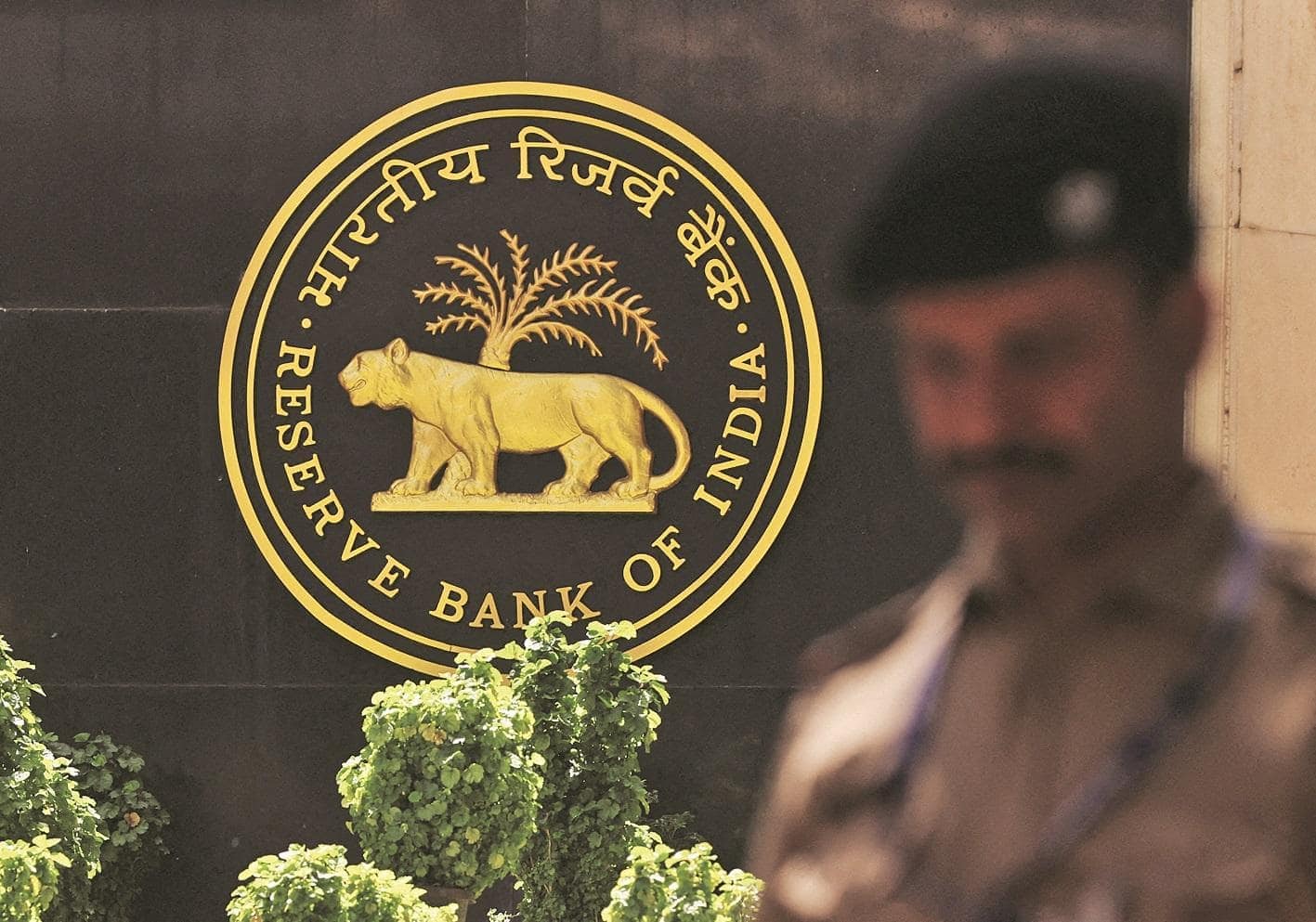
Adding to the currency's gains are strategic interventions by the Reserve Bank of India (RBI) aimed at reducing dollar demand in the spot market. Last week, the central bank introduced measures to redirect oil-related dollar requirements away from spot transactions and increased the costs for certain importer hedging activities. These steps, coupled with targeted dollar sales by the RBI, have helped stabilize the currency and limit excessive volatility.
Dilip Parmar, a research analyst with HDFC Securities, noted, "The rupee registered its eighth consecutive session of gains. This sustained momentum has been primarily anchored by strategic central bank interventions, healthy foreign capital inflows into the primary market, and profit-taking in the broader US dollar." He added that on the technical front, the rupee-dollar pair finds support at 94.27 and faces resistance near 95.15.
Despite the positive trends, some factors have restrained the rupee's appreciation. Rising crude oil prices, which climbed over one percent to approximately $110 per barrel due to heightened tensions in West Asia, have placed upward pressure on import costs. Given that India is a major oil importer, these price increases typically weigh on the rupee.
Anil Kumar Bhansali, head of treasury and executive director at Finrex Treasury Advisors LLP, commented on the currency’s intraday swings, saying, "The rupee closed at 94.46 per dollar, after touching an intraday high of 94.82, indicating a notable recovery from its weakest levels during the session. This reversal suggests that dollar selling emerged at higher levels, likely reflecting exporter dollar supplies and RBI intervention to curb excessive volatility."
Looking at broader trends, the rupee has strengthened by 1.44 percent so far in October and gained 0.36 percent in the current financial year. However, some analysts caution that the currency may face headwinds going forward. India's persistent current account deficit, inflation rates higher than those of comparable economies, and the RBI's significant net short position in the foreign exchange forward market could apply pressure on the rupee over the medium term.
In recent years, the Indian rupee has displayed vulnerability to external shocks and global market fluctuations. The central bank’s proactive steps to intervene in currency markets and manage demand-supply imbalances have been crucial in maintaining relative stability. The recent rally illustrates how coordinated monetary policy actions and capital inflows can offer temporary relief to the domestic currency.
Overall, the rupee’s eight-day rise highlights a phase of renewed strength supported by both government policy and market dynamics. While external factors such as oil prices and geopolitical risks remain pertinent, the current environment shows how intervention and investor confidence can influence currency performance in emerging markets like India.
What's Your Reaction?
 Like
0
 Dislike
0
 Love
0
 Funny
0
 Wow
0
 Sad
0
 Angry
0










Comments (0)