


Democratic Midterm Sweep May Impact Stocks and Market Trends



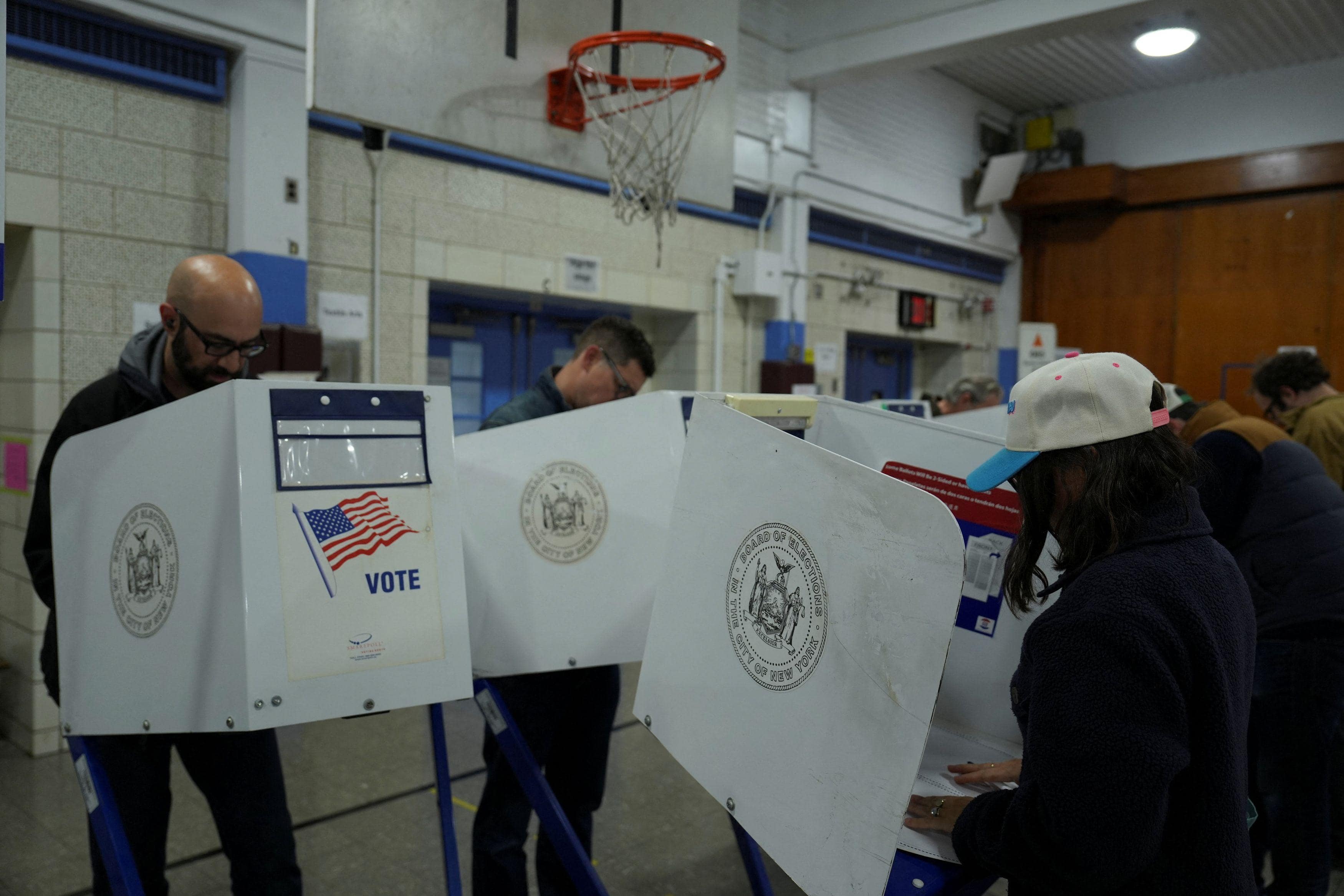
As the 2026 U.S. midterm elections unfold, the possibility of Democrats securing control of both the House and Senate is gaining traction. This political shift could create challenges for investors navigating the stock market heading into the end of the year, as current market pricing does not fully reflect a Democratic sweep of Congress.




Historically, the stock market tends to perform well in the months following midterm elections, with the S&P 500 showing upward momentum one year after every midterm since the early 1980s. However, this year presents unique conditions. The S&P 500 has already experienced significant gains, rising by double digits in 2026. Some market analysts are concerned that investors may be too complacent given this context, especially with the typical midterm pattern involving a market dip before the election followed by a rally. This year, the market has moved in the opposite direction, sparking debate over whether the usual post-election gain will materialize.
Opinion among strategists varies depending on the election outcome. JPMorgan forecasts that a Democratic sweep could cause the S&P 500 to drop about half a percent the day after the election. In contrast, if Republicans maintain control of both chambers, Wells Fargo Investment Institute suggests stocks could rally. Citigroup analysts have indicated that a split Congress, with Republicans retaining the Senate but losing the House, might also support equities into year-end. Presently, the likelihood of Republicans holding the Senate appears to be decreasing.
The midterm results could have sector-specific impacts. A Democratic victory, especially in high-profile races like the Texas governor's contest, may intensify the ongoing sell-off in artificial intelligence-related stocks. This is due to concerns that Democrats could advance restrictions on data centers and AI infrastructure at the national level. Texas is a crucial hub for data center development, so a win by Democratic candidates there might heighten market apprehension.
Defense stocks also face pressure under a potential Democratic-controlled Congress, as anticipated spending growth may be limited. Alex Sagal, a global equity analyst at Wells Fargo Investment Institute, noted that increased Democratic influence could constrain real growth in defense budgets unless bipartisan agreements are reached to support both defense and healthcare funding. Despite this, the defense sector’s earnings outlook remains stable to modestly positive.
Healthcare equities are poised to gain if Democrats take full control. Policy efforts to restore expired Affordable Care Act subsidies and modify Medicaid reforms are expected to benefit hospital operators and insurers. Portfolio managers highlight companies such as HCA Healthcare, Tenet Healthcare, UnitedHealth, and Centene as potential beneficiaries. Healthcare stocks have already shown strong performance in recent months, partly driven by anticipation of Democratic policy initiatives and the waning momentum of AI-focused investments.
The financial sector could experience volatility following the elections, especially if Democrats prioritize consumer affordability measures. President Donald Trump's call to cap credit card interest rates at 10% has already weighed on financial stocks earlier this year. Experts suggest Democrats may pursue similar regulatory efforts, potentially collaborating with Trump on populist financial reforms. Such moves could add uncertainty to the banking industry and related sectors.
Beyond the U.S. political scene, geopolitical factors also loom over the market. The threat of renewed conflict with Iran, which was postponed ahead of the midterms, could disrupt energy markets. Crude oil prices surged more than 10% in October but retreated somewhat recently. Gasoline prices have risen sharply year-over-year, with national averages reaching $4.17 per gallon according to AAA. Any escalation in tensions with Iran might drive further volatility and prompt energy stocks to outperform.
In sum, the 2026 midterm elections hold significant implications for various sectors and the broader market. Investors face a complex environment where political outcomes, regulatory expectations, and geopolitical risks converge. The potential Democratic sweep introduces a range of considerations, from shifts in technology and defense spending to healthcare policy and financial regulation. Market participants will be closely monitoring election results and subsequent policy signals as they position portfolios for the remainder of the year.
What's Your Reaction?
 Like
0
 Dislike
0
 Love
0
 Funny
0
 Wow
0
 Sad
0
 Angry
0











Comments (0)