


CEA Nageswaran Highlights 2026 as Critical Turning Point for India’s Economy



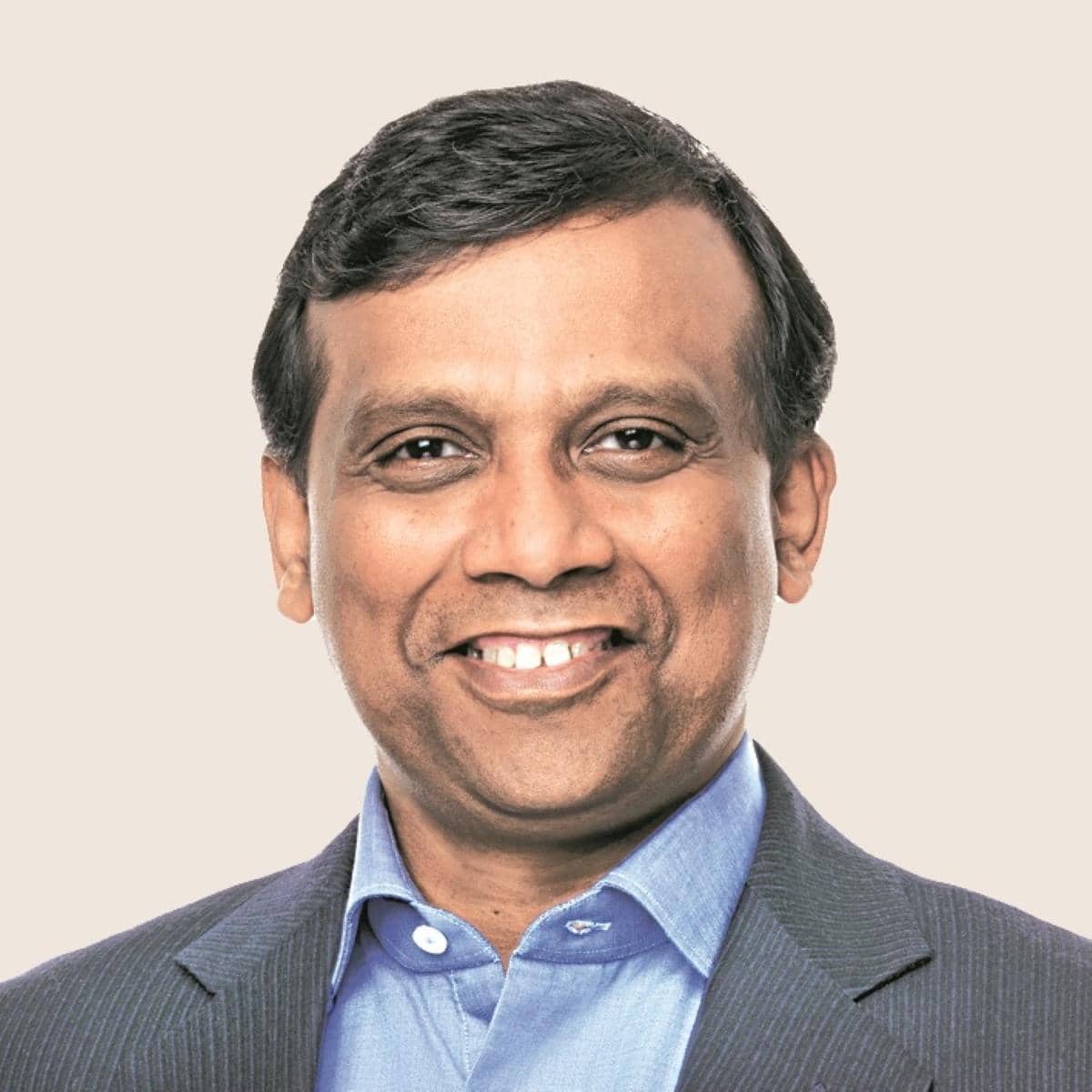
India is approaching a crucial economic juncture in 2026, comparable in significance to the reforms of 1991, according to V Anantha Nageswaran, the Chief Economic Advisor (CEA) to the Government of India. He emphasized the need for India to establish itself as globally indispensable in select sectors to secure strategic advantages in accessing geopolitically sensitive resources.




Nageswaran outlined a three-pronged strategy for India’s economic progress: simultaneous pursuit of import substitution, strengthening local manufacturing, and enhancing export competitiveness. He pointed to agro-processing as an example where India could develop strategic leverage, tying its manufacturing capabilities to global demand.
The backdrop to these comments includes recent global trends where nations have increasingly used control over critical resources, such as minerals and semiconductors, for trade and strategic objectives. For instance, China recently imposed export restrictions on tunnel boring machines, a move that could impact India’s infrastructure projects.
Unlike the import substitution policies of the decades following independence, which often prioritized self-reliance without demanding export readiness, India’s current approach requires industries to be competitive on a global scale. "Industries must prove their ability to compete with imports at comparable prices or succeed in export markets," Nageswaran explained.
He observed that India had historically treated import substitution, strategic resilience, and strategic indispensability as separate goals, often neglecting the latter two in the past 60 years. The current moment demands pursuing all three simultaneously due to limited time and increasing global uncertainties.
Moving beyond the simplistic call to increase manufacturing’s share of GDP, Nageswaran stressed the importance of mastering critical infrastructure segments that are difficult to replace. This mastery would provide India with leverage in the global economic landscape, especially as supply chains become more contested and resources less freely available.
For decades before the pandemic, India’s competitive advantage was based on low-cost production. Today, the focus has shifted to how much the world depends on Indian output and how well India can withstand supply disruptions caused by external actors withholding critical inputs.
To build manufacturing resilience, India must reduce reliance on imported key inputs such as crude oil, industrial metals, fertilizers, active pharmaceutical ingredients, rare earth elements, critical minerals, and battery chemicals. Nageswaran emphasized the need to create strategic stockpiles of these commodities to mitigate supply shocks.
He also insisted that simply expanding manufacturing’s GDP share would not suffice without demanding export competitiveness and import parity from industries. This means companies must deliver products that can compete internationally or match the price and quality of imports to ensure overall economic resilience.
On fiscal policy, the CEA noted that government support should target production and productivity with clear objectives and timelines, stimulating sectors where private investment remains weak.
Recent years have exposed India to numerous supply-side shocks, including the COVID-19 pandemic, the Ukraine conflict, global semiconductor shortages, weaponization of raw materials, imposed tariffs, and regional conflicts in West Asia. These events highlighted vulnerabilities not limited to crude oil but extending to natural gas, fertilizers, and cooking fuel.
Comparing 2026 to 1991, Nageswaran clarified that while both years mark turning points, the challenges differ. The 1991 crisis was primarily a balance of payments issue, whereas 2026 presents broader structural challenges across manufacturing, energy, agriculture, and technology, demanding faster and more comprehensive reforms.
The CEA suggested that government support to industries should be directly linked to their performance, especially in the context of recent export licensing regimes by countries like China on infrastructure products critical to India.
Experts have noted India’s economic resilience amid shocks as remarkable. N.R. Bhanumurthy, director of the Madras School of Economics, pointed to India’s 7.8 percent GDP growth in the first quarter as evidence of strength not seen during previous crises in 1991, 2008, or 2013. However, he acknowledged complexities in balancing import substitution with export competitiveness due to interdependencies in supply chains.
Ajay Srivastava, founder of the Global Trade Research Initiative, emphasized that bolstering domestic manufacturing should be the government’s priority, as it underpins progress in other areas such as reducing imports and boosting exports.
Given the challenging global environment, Nageswaran stressed the importance of sectoral selectivity—focusing resources on industries where India can develop competitive advantages and leverage these strengths to enhance the broader industrial ecosystem.
On the policy front, the CEA called for treating energy as a key macroeconomic factor. He recommended fiscal measures to alleviate supply-side bottlenecks and reduce input costs, particularly for small and medium enterprises. Lower energy and land costs would enhance competitiveness and reduce vulnerabilities to supply disruptions and potential geopolitical weaponization.
Nageswaran also highlighted the need to build capabilities in sectors where India currently faces scarcity, even if the technologies are not highly complex. This includes easing regulatory hurdles and supply constraints at state and local levels.
In summary, the year 2026 represents a crucial moment for India to transform its economic strategy. By combining import substitution with export readiness and manufacturing resilience, India aims to secure a stronger position in the global economy and safeguard itself against future external shocks.
What's Your Reaction?
 Like
0
 Dislike
0
 Love
0
 Funny
0
 Wow
0
 Sad
0
 Angry
0












Comments (0)