


Microsoft Plans $25B Bond Sale in First US Offering Since 2017

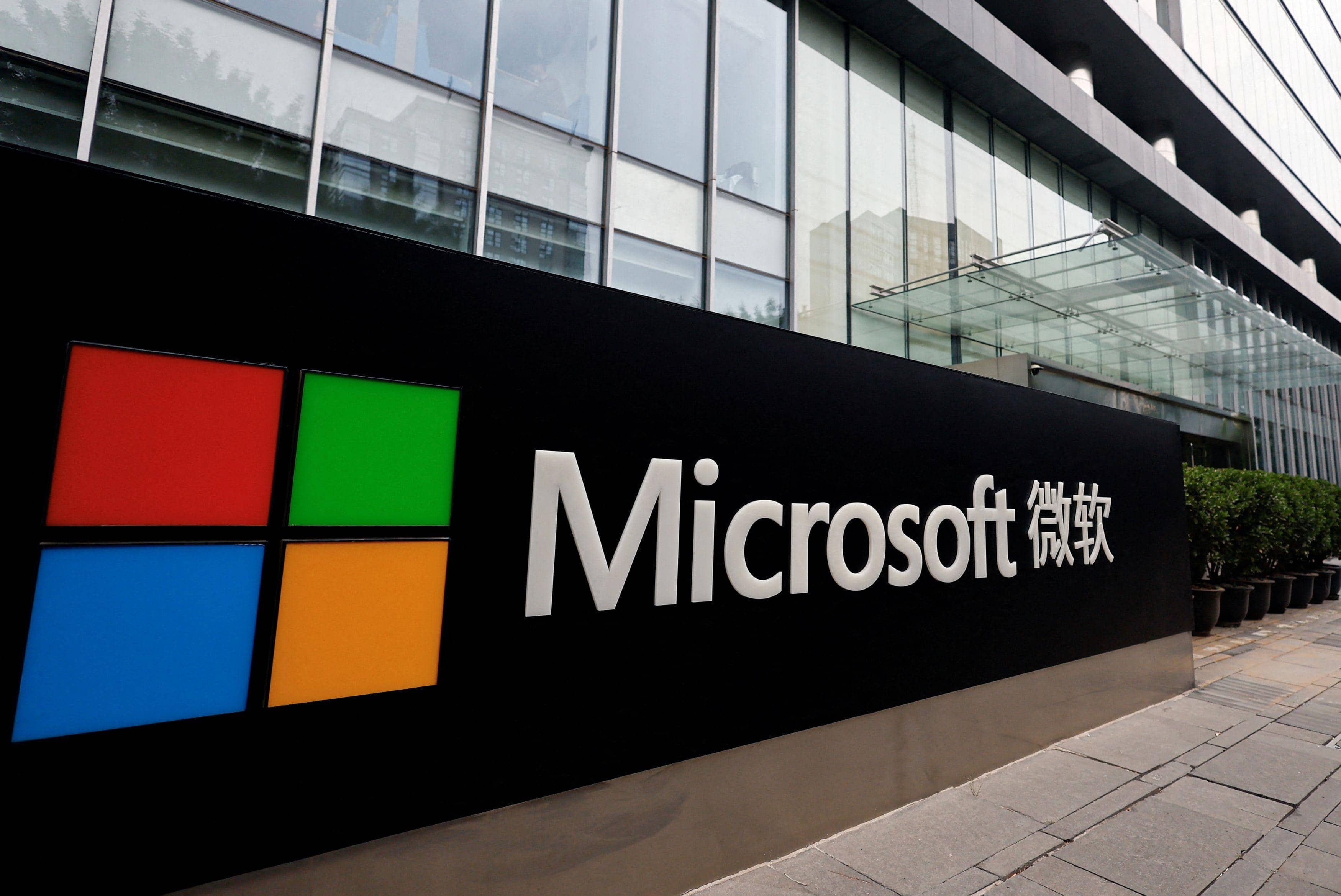


Microsoft Corporation is preparing to issue at least $25 billion in bonds, marking its first US investment-grade bond offering since 2017. This large-scale debt sale comes at a time when the company holds one of the rarest credit ratings in the corporate world, a factor that could draw significant investor interest despite broader concerns about rising borrowing costs and heavy sector-wide borrowing related to artificial intelligence (AI) investments.




The technology giant is expected to structure the offering across up to 10 different tranches, with maturities spanning from two years to as long as 40 years. While the exact size of the issuance has not been finalized, it is likely to adjust based on investor demand, according to sources familiar with the matter who requested anonymity due to the sensitivity of the transaction.
This move represents the first major bond sale from a leading hyperscale tech company in the US since Alphabet Inc. raised $25 billion in debt in early August. The offering will serve as a significant gauge of investor appetite for financing the rapid expansion in AI-related projects, especially as market participants weigh the risks of heavy capital expenditures against the timeline required for profitable returns.
Investors initially showed eagerness to buy into tech debt but have recently become more cautious, often requiring higher yields to compensate for perceived risks. Additionally, rising benchmark interest rates have contributed to increased borrowing expenses for issuers across the board.
Microsoft’s position stands out because it has not entered the bond market for years, having last raised $17 billion through high-grade debt in 2017. The company also holds a prestigious AAA rating from both Moody’s Investors Service and S&P Global Ratings, a distinction shared only with Johnson & Johnson among publicly traded US firms. This exceptional credit standing is expected to help Microsoft attract investors seeking high-quality, long-duration bonds.
Brett Kozlowski, portfolio manager at GW&K Investment Management, noted, "The timing of this deal feels opportunistic as we don't see a true need for issuance here but the demand should be strong given the uniqueness of very rare long AAA paper likely yielding more than 6%. This combination likely highlights the market's demand for some diversification in names even as massive supply creates challenges."
Initial pricing discussions reportedly suggest that the longest maturity bond, maturing in 2066, could offer a yield premium of about 1.35 percentage points over comparable US Treasury securities. This pricing is broadly in line with similar long-term bonds recently issued by Alphabet and Amazon.com Inc., although those companies have lower credit ratings.
The bond sale is being managed by Wells Fargo & Co., JPMorgan Chase & Co., and UBS Group AG. Proceeds from the offering are expected to support general corporate needs, including capital expenditures, according to sources close to the deal. Microsoft and the involved banks have not publicly commented on the plans.
Microsoft recently reported strong fiscal first-quarter results, including a 48% increase in cloud revenue, while managing to keep capital spending under control. These results have reassured investors concerned about aggressive AI spending. During the earnings call, Chief Financial Officer Amy Hood stated the company will consider raising additional funds when conditions appear favorable.
Across the tech sector, hyperscale cloud providers and data center developers have issued investment-grade bonds totaling more than $313 billion globally this year. This volume is nearly triple the total for all of 2025 and has helped push global bond issuance to a record $6.61 trillion with two months still remaining in the year.
The surge in AI-related debt has raised caution among some investors, who are monitoring credit default swaps (CDS) that serve as insurance against defaults. Swaps linked to hyperscalers with weaker credit profiles have widened substantially, reflecting heightened risk perceptions. For instance, five-year CDS on Meta Platforms Inc. are trading at about 116 basis points, significantly higher than around 54 basis points for Microsoft. Oracle Corp., which holds the lowest credit rating among major hyperscalers and is often viewed as a proxy for AI-related credit risk, sees its CDS spreads near 275 basis points, illustrating broader concerns in the sector.
Microsoft’s upcoming bond sale will be a key test of investor confidence in the tech sector’s ability to manage its debt load while funding ambitious AI expansions. The company’s strong financial position and top-tier credit ratings may provide a valuable buffer as the market evaluates future borrowing needs and risks in this dynamic environment.
What's Your Reaction?
 Like
0
 Dislike
0
 Love
0
 Funny
0
 Wow
0
 Sad
0
 Angry
0
















Comments (0)