


IMF Highlights India’s Growth Role Despite Super El Nino Risks




The International Monetary Fund (IMF) emphasized on Thursday that India remains a key driver of the global economy, even as potential challenges from the ongoing Super El Nino weather phenomenon have yet to fully emerge. While the IMF acknowledged risks related to reduced crop outputs and rising food prices, these factors have not yet significantly affected India's economic momentum.




Julie Kozack, the IMF Communications Director, shared insights during a press briefing, noting that the organization is closely monitoring the situation but has not observed any material impact to date. She explained that the Super El Nino could lead to lower agricultural yields, pushing food inflation higher and potentially straining household budgets across the country.
"These are risks that we see that India faces, but right now those risks have not materialised," Kozack said. The IMF plans to revisit its growth forecasts for India in the upcoming January update of the World Economic Outlook, depending on how the weather-related risks develop.
Earlier this month, the IMF revised its growth projections upward for India, forecasting a 7 percent expansion for both the fiscal years 2027 and 2028. This marked an increase from the previous estimates made in July, which had predicted growth rates of 6.4 percent and 6.7 percent respectively. The upgrade reflects continued confidence in India's economic resilience despite global uncertainties.
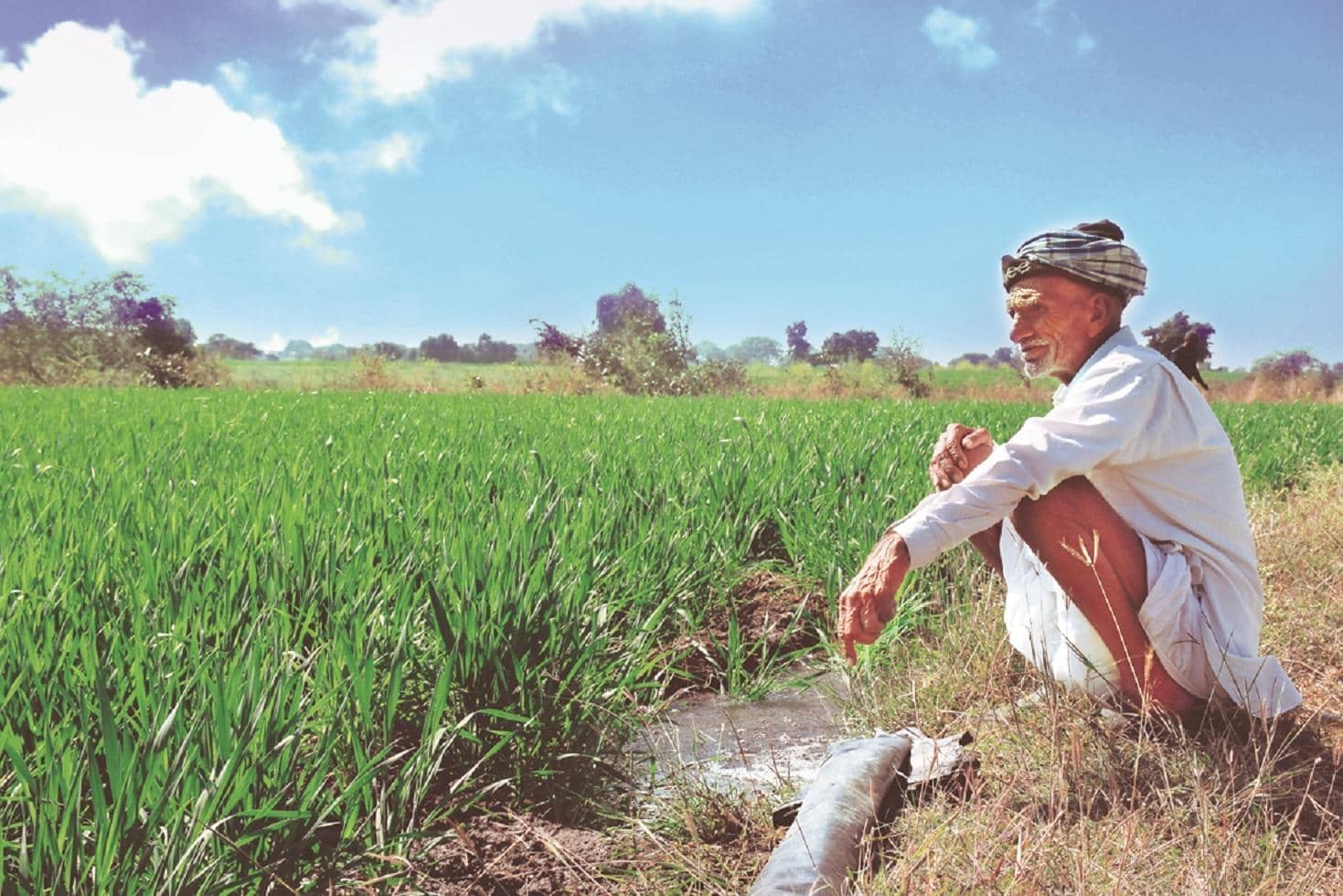
India's economy has been one of the fastest growing among major economies, driven by factors such as a large domestic market, increasing consumer demand, and ongoing reforms aimed at improving business conditions. The country's agricultural sector, however, is sensitive to climatic variations, making weather events like El Nino a significant concern for policymakers and investors alike.
The Super El Nino phenomenon involves a warming of the Pacific Ocean surface temperatures, which can disrupt normal weather patterns worldwide. In India, such changes often translate into irregular monsoon rains, affecting crop production and food supply. This, in turn, can lead to inflationary pressures that reduce the purchasing power of consumers, particularly in rural areas where agriculture remains a primary livelihood.
Given these dynamics, the IMF's cautious approach reflects a balance between acknowledging India's strong growth trajectory and recognizing the potential headwinds posed by environmental factors. The January World Economic Outlook update will provide a clearer picture once more data on the Super El Nino's effects becomes available.
For now, India's status as a major contributor to global economic expansion remains intact, with the IMF highlighting the country's role amid a backdrop of slower growth in other parts of the world. Stakeholders will be watching closely how weather developments influence economic outcomes as the year progresses.
What's Your Reaction?
 Like
0
 Dislike
0
 Love
0
 Funny
0
 Wow
0
 Sad
0
 Angry
0
















Comments (0)