


Japan’s Markets React Unexpectedly to BOJ Rate Hike After 31 Years



On November 5, 2025, the Bank of Japan (BOJ) raised its benchmark interest rate to 1.25%, marking the highest level since 1995. This move, coming just three months after the previous increase, was expected to strengthen the yen, push bond yields higher, and weigh on the stock market. However, the actual market reaction defied these expectations, with the yen weakening beyond 157 against the US dollar, 10-year Japanese government bond yields declining, and the Nikkei 225 index rising by 1.5%.




Typically, an interest rate hike signals tighter monetary policy, which tends to bolster a nation’s currency and bond yields while putting pressure on equities. The unusual response observed in Japan’s markets has drawn attention from analysts, who attribute it primarily to the split decision among BOJ board members and the absence of an updated economic outlook.
The BOJ’s policy decision was passed with a 7-2 vote, as board members Toichiro Asada and Ayano Sato opposed the rate increase. Asada argued that core inflation, which stood at 1.7% in August—a slight decline from 1.8% in July—remained below the 2% target, indicating that the economy might not be robust enough to warrant a hike. Sato echoed this view, suggesting that recent economic and price developments had not accelerated significantly.
This divergence within the BOJ board sent mixed signals to the market, suggesting the central bank may adopt a cautious approach rather than an aggressive tightening stance. Hirofumi Suzuki, chief foreign exchange strategist at Sumitomo Mitsui Banking Corporation, expressed surprise at the dissenting votes, noting their impact on market expectations.
Another factor contributing to the muted hawkish tone was the BOJ’s decision not to release an updated outlook report alongside the rate hike. According to Masahiko Loo, senior fixed income strategist at State Street Investment Management, the lack of revised forecasts limited the bank’s ability to signal a stronger commitment to further rate increases. Shigeto Nagai, head of Japan economics at Oxford Economics, also pointed out that the split vote suggested Prime Minister Sanae Takaichi may not be fully convinced to accelerate rate hikes as requested by the United States.
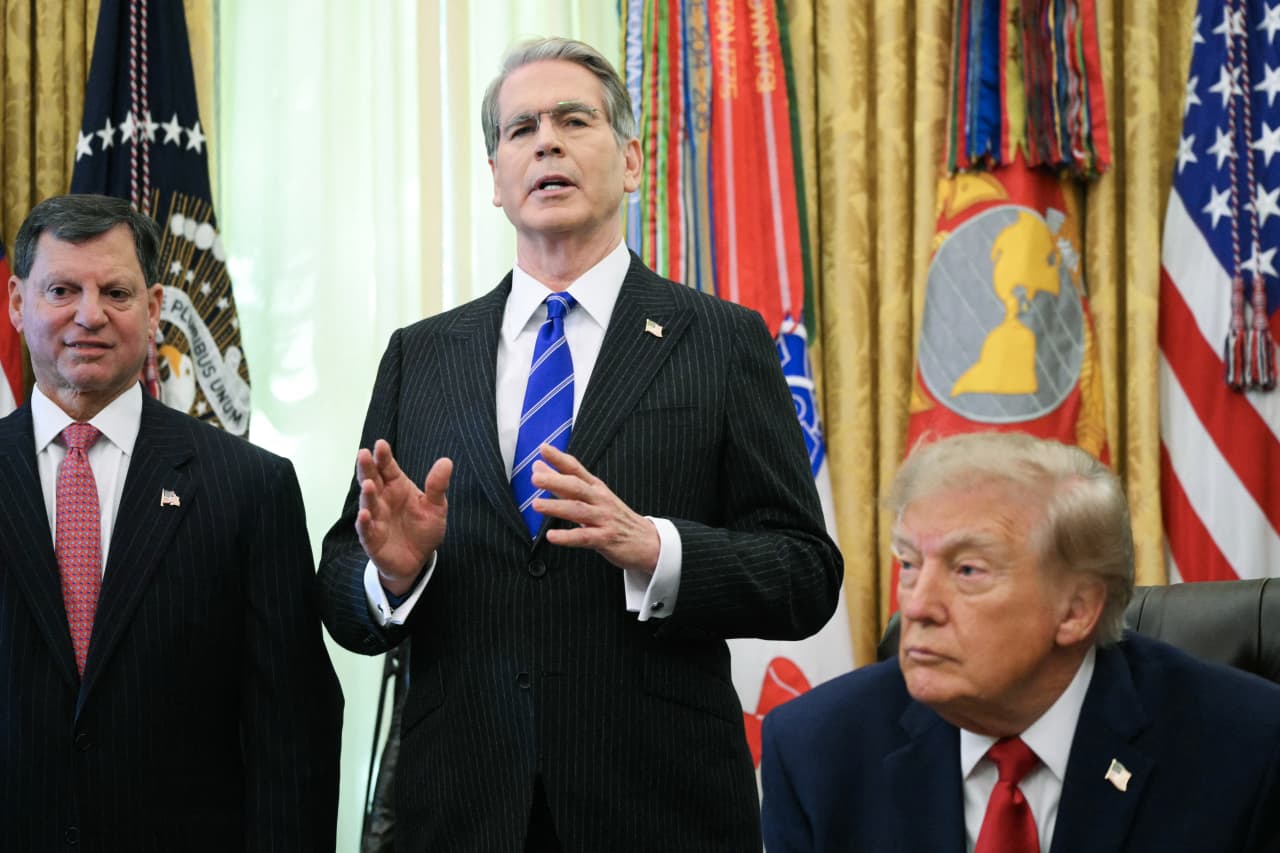
In May, Reuters reported that US Treasury Secretary Scott Bessent had urged Japan to raise rates more quickly during discussions with Japanese Finance Minister Satsuki Katayama. Despite this external pressure, the BOJ’s recent statement maintained a tone similar to its July quarterly outlook, which markets interpreted as less hawkish than anticipated.
Looking ahead, experts anticipate that another rate increase could occur as soon as December. Loo emphasized that the focus has shifted from whether the BOJ will raise rates to determining the extent of future hikes. The central bank indicated it would continue adjusting policy as economic and price conditions evolve, though it recognized that growth may slow due to elevated oil prices linked to ongoing conflicts in the Middle East.
EFG International’s economist Sam Jochim predicted a gradual pace of rate increases, possibly one hike every three months, as inflation approaches the 2% goal. He expects the terminal rate, or peak level, to fall between 1.75% and 2% by 2027. The BOJ has not formally announced a target terminal rate, maintaining its stance of conducting monetary policy as needed to stabilize inflation around 2%.
Stefan Angrick, head of Asia-Pacific economics at Moody’s Analytics, concurs that another increase could come around the turn of the year. However, he cautioned that persistent weak demand-driven inflation and disappointing real wage growth may limit the scope of future tightening measures.
Japan’s recent rate hike and the market’s reaction underscore the cautious balancing act the BOJ faces amid shifting inflation dynamics, external pressures, and domestic economic conditions. As the world’s third-largest economy navigates these challenges, investors and policymakers alike will closely monitor how monetary policy evolves in the coming months.
What's Your Reaction?
 Like
0
 Dislike
0
 Love
0
 Funny
0
 Wow
0
 Sad
0
 Angry
0

















Comments (0)