


Fed's Kashkari Says US Inflation Remains Too High Despite Rate Hike

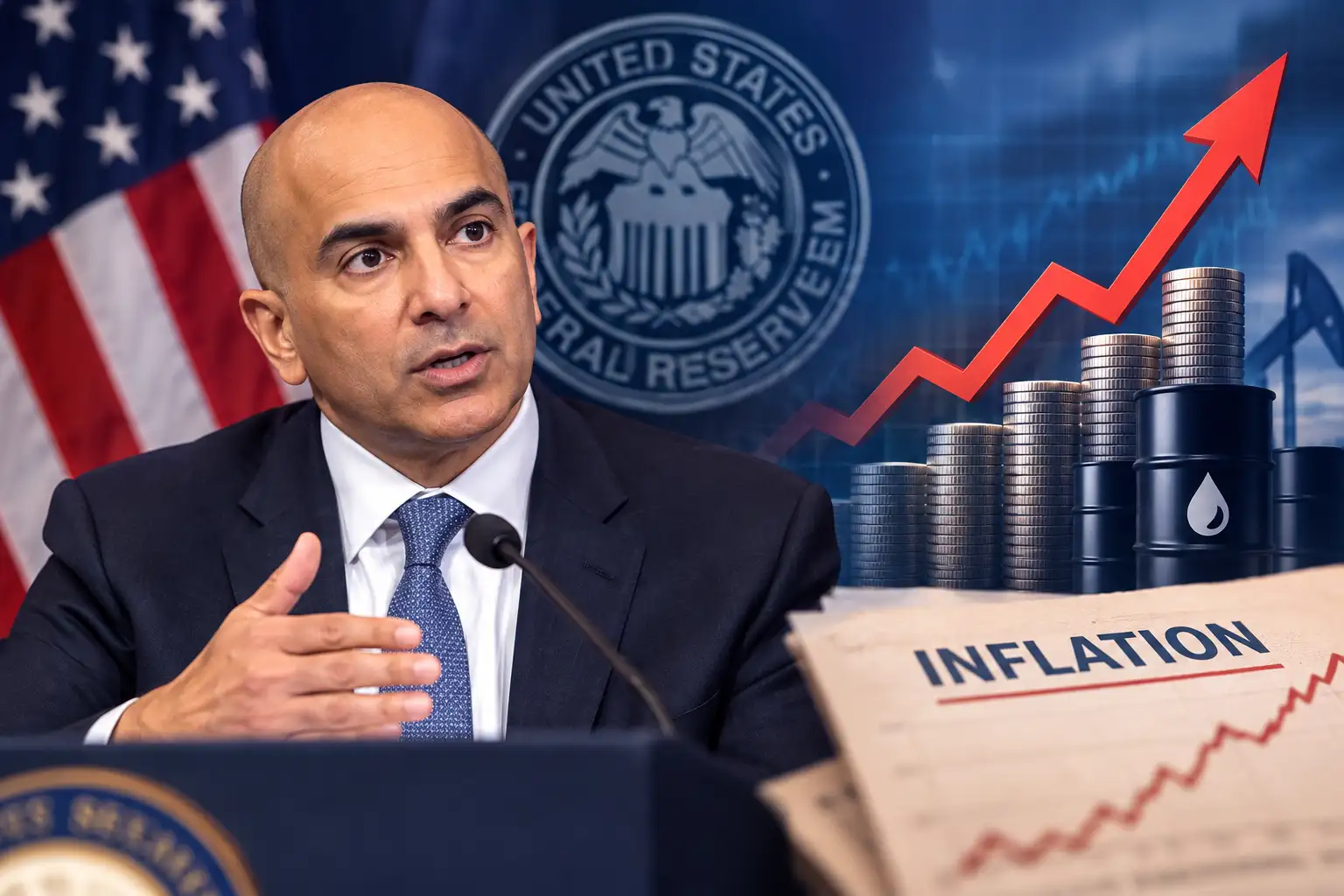


Minneapolis Federal Reserve President Neel Kashkari has expressed concern over the persistent high inflation in the United States, despite recent interest rate increases implemented by the Federal Reserve. Kashkari pointed out that inflation remains broadly elevated across various sectors of the economy, extending beyond just recent hikes in energy prices.




Speaking on the ongoing economic situation, Kashkari highlighted that inflationary pressures are not isolated but rather widespread, affecting services and other parts of the economy. This broad-based inflation presents a significant obstacle for policymakers aiming to return inflation to the Fed’s long-term target of 2 percent.
The Federal Reserve has been raising interest rates to curb inflation, which surged during the pandemic due to supply chain disruptions, increased demand, and other factors. Typically, increasing rates makes borrowing more expensive, which can cool spending and slow down price increases. However, Kashkari’s remarks suggest that these measures have yet to fully take effect or face challenges due to the underlying economic conditions.
Inflation influences many aspects of everyday life, including the cost of goods and services, housing, and transportation. When inflation remains high, it can erode purchasing power and create uncertainty for consumers and businesses alike. The Fed’s role is crucial in balancing economic growth with price stability, and sustained inflation above target complicates this task.
Kashkari’s comments underscore the complexity of the current inflation dynamics. Energy prices, which can be volatile due to geopolitical events and supply constraints, have contributed to recent inflation spikes. Yet, the continued pressure across services such as healthcare, housing, and other consumer sectors indicates that inflationary trends are not solely dependent on energy costs.
In the broader context, the Federal Reserve’s challenge is to manage inflation without triggering a recession. Raising rates too quickly or too high could slow economic growth excessively, leading to job losses and reduced consumer spending. Conversely, insufficient action risks allowing inflation to become entrenched, making it harder to control in the future.
Market participants, economists, and policymakers closely watch statements from Fed officials like Kashkari for insights on future monetary policy moves. His assessment suggests a cautious approach may continue, with potential further rate hikes or sustained higher rates until inflation shows clear signs of easing.
As the US economy continues to navigate this period, the Fed’s measures and the inflation trajectory will remain key topics for investors, businesses, and consumers. The central bank’s ability to bring inflation back to 2 percent will influence economic conditions and financial markets in the coming months.
What's Your Reaction?
 Like
0
 Dislike
0
 Love
0
 Funny
0
 Wow
0
 Sad
0
 Angry
0

















Comments (0)